Introduction
The Common Butterfly Bat (Glauconycteris argentata) is a fascinating member of the family Vespertilionidae, known for its delicate and intricate wing structures that resemble the patterns found on butterflies. This unique species, often overlooked due to its modest size, plays a crucial role in its ecosystem, primarily through its insectivorous diet. This article delves into the various aspects of the Common Butterfly Bat, shedding light on its physical characteristics, habitat, and behavior, as well as its conservation status.
Physical Description
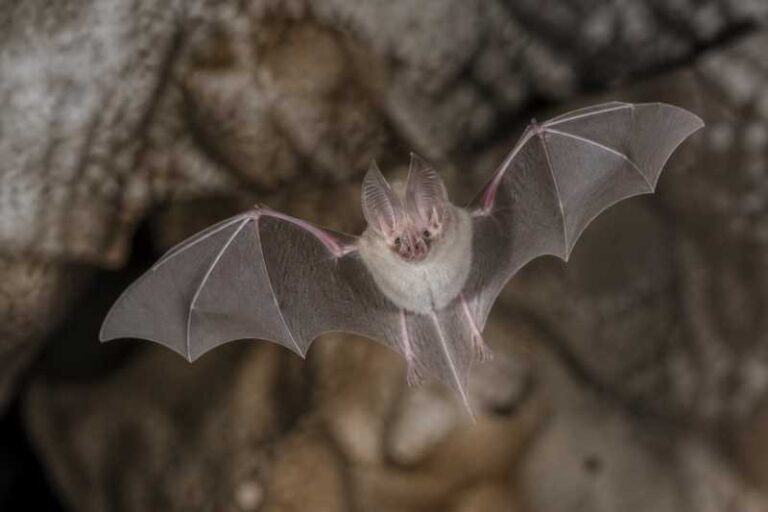
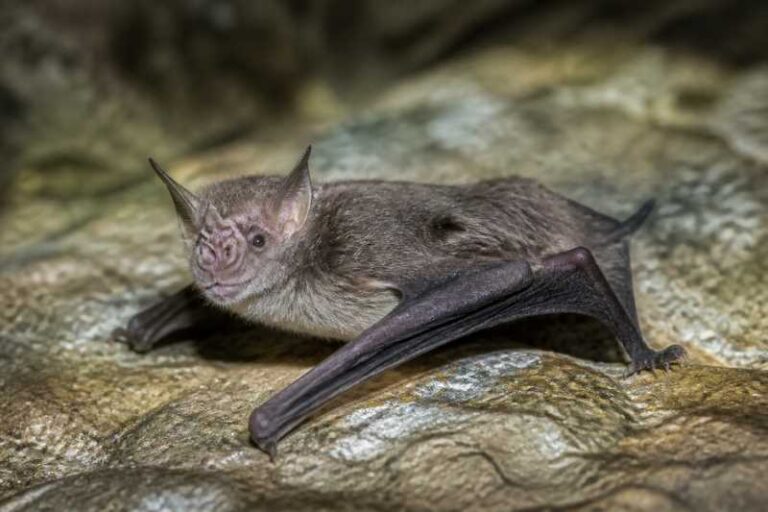
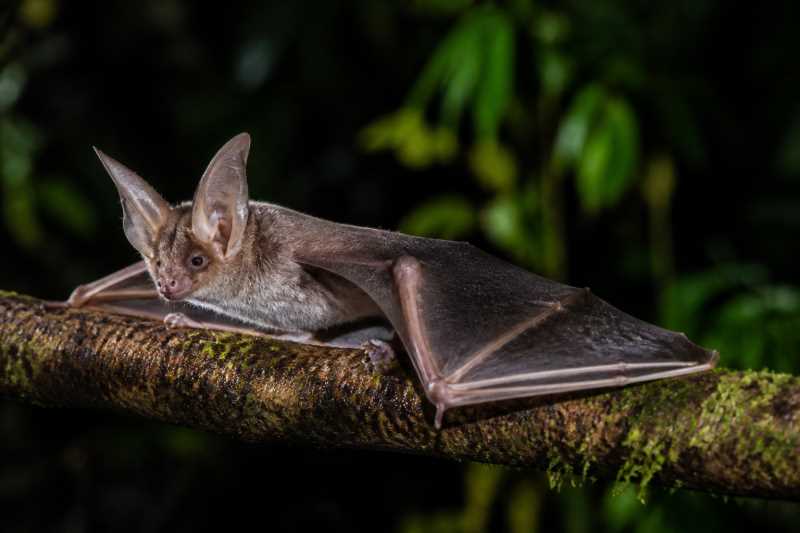
The Common Butterfly Bat is a small bat species, with a wingspan ranging from 25 to 30 centimeters, and a weight that typically does not exceed 10 grams. Its fur is predominantly a silvery-gray color, which provides excellent camouflage against the backdrop of tree bark and foliage. The most distinctive feature of this bat is its wings, which are adorned with intricate patterns that are reminiscent of butterfly wings. These patterns not only contribute to its name but also aid in its flight dynamics by providing stability and maneuverability.
The bat’s head is relatively small, with large, prominent eyes that afford it excellent night vision, crucial for navigating and hunting in low-light conditions. Its ears are moderately sized, with a slightly rounded shape, allowing it to pick up high-frequency sounds necessary for echolocation. The nose is small and unobtrusive, situated above a narrow mouth equipped with sharp teeth adapted for insect consumption.
Range and Habitat
The Common Butterfly Bat is primarily found in Sub-Saharan Africa, inhabiting a range of environments from dense tropical forests to savannas. Its adaptability to different habitats is a testament to its versatile nature and its ability to exploit various ecological niches. This bat prefers areas where there is an abundance of insect prey, often near bodies of water such as rivers and lakes, which serve as breeding grounds for many insects.
During the day, the Common Butterfly Bat seeks refuge in tree hollows, caves, or man-made structures where it can roost undisturbed. The selection of roosting sites is crucial for its survival, as these locations provide protection from predators and harsh weather conditions.
Behavior and Diet
The Common Butterfly Bat is predominantly nocturnal, emerging at dusk to embark on its nightly foraging expeditions. Its diet consists mainly of insects, with a preference for moths, beetles, and flying ants. The bat employs echolocation to locate its prey, emitting high-pitched sounds that bounce off objects and return as echoes. This sophisticated biological sonar allows the bat to hunt with remarkable precision, even in complete darkness.
In addition to its foraging activities, the Common Butterfly Bat engages in social behaviors, often forming small colonies that offer mutual protection and warmth. Communication within these colonies is facilitated by a range of vocalizations and physical gestures, which serve to establish social hierarchies and coordinate group activities.
Identification Tips (Field Recognition Cues)
Identifying the Common Butterfly Bat in the field can be challenging due to its nocturnal habits and elusive nature. However, there are several key features to look out for:
- Wing Patterns: The distinctive butterfly-like patterns on the wings are the most reliable identification cue.
- Flight Pattern: Observing its flight can provide clues, as it exhibits a fluttering motion similar to that of a butterfly, which is atypical for bats.
- Roosting Sites: Look for small groups of bats in tree hollows or under eaves of buildings, particularly in regions where their presence is known.
- Echolocation Calls: Using a bat detector, one can pick up the unique frequency modulations of its echolocation calls, which differ from those of other bat species.
Conservation Status (with Threats and Protections)
The Common Butterfly Bat is currently classified as Least Concern by the International Union for Conservation of Nature (IUCN). However, this status does not imply that the species is free from threats. Habitat destruction, particularly deforestation and the conversion of land for agriculture, poses a significant risk to its populations. Additionally, the use of pesticides reduces the availability of insect prey, further threatening its survival.
Conservation efforts for the Common Butterfly Bat include habitat preservation and restoration, as well as public education campaigns to raise awareness about the ecological importance of bats. Legal protections in some regions aim to safeguard critical habitats and regulate activities that could harm bat populations.
Frequently Asked Questions
1. What do Common Butterfly Bats eat? Common Butterfly Bats primarily feed on insects such as moths, beetles, and flying ants, using echolocation to hunt effectively in the dark.
2. Where can Common Butterfly Bats be found? These bats are native to Sub-Saharan Africa, inhabiting tropical forests, savannas, and areas near bodies of water where insects are plentiful.
3. How do Common Butterfly Bats communicate? They communicate through vocalizations and physical gestures within their colonies, which help establish social hierarchies and coordinate activities.
4. Are Common Butterfly Bats endangered? Currently, they are listed as Least Concern, but habitat destruction and pesticide use are ongoing threats that could impact their populations.
5. How can one identify a Common Butterfly Bat? Look for their distinctive wing patterns, fluttering flight, and use of echolocation calls, which are unique to this species.
Related posts