Introduction
The Black-eared Red-backed Vole, scientifically known as Anteliomys olitor, is a fascinating mammal species that captivates both researchers and wildlife enthusiasts. Known for its distinctive appearance and behavior, this vole species plays a significant role in its ecosystem. This article delves into the various aspects of the Black-eared Red-backed Vole, from its physical description to its conservation status, providing a comprehensive overview for those interested in learning more about this intriguing animal.
Physical Description
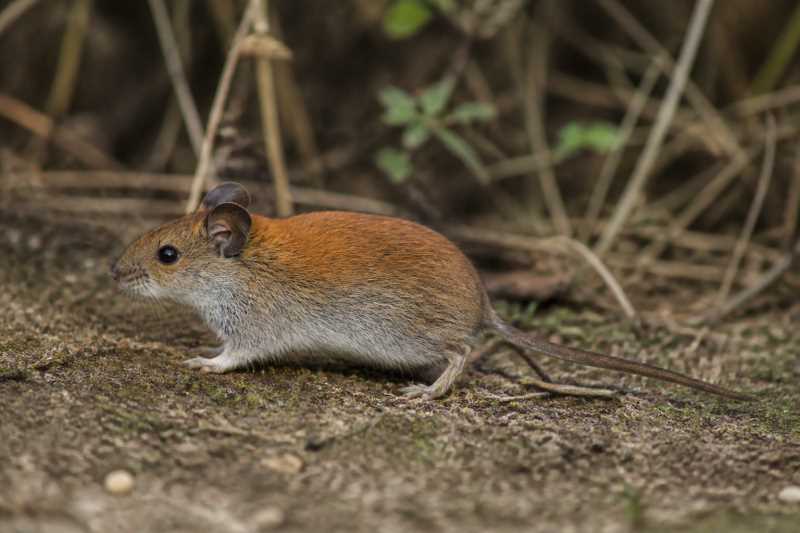
The Black-eared Red-backed Vole is a small mammal characterized by its striking red-brown fur on the back, which provides a stark contrast to its black ears. The underparts of the vole are typically gray or white, adding to its distinctive appearance. Adult voles measure about 10 to 13 centimeters in length, with a tail that constitutes approximately 30 to 50% of its body length. The voles weigh between 20 to 40 grams, with males generally being slightly larger than females.
The vole’s ears are small and rounded, with a notable black coloration that distinguishes it from other vole species. Its eyes are relatively small, adapted for its crepuscular lifestyle, and its snout is blunt, suited for foraging in the dense underbrush. The Black-eared Red-backed Vole possesses sharp, chisel-like incisors that continuously grow, enabling it to gnaw on tough vegetation and roots.
Range and Habitat
The natural range of Anteliomys olitor spans across various regions, predominantly found in boreal forests and subalpine areas. This vole species is typically associated with temperate climates, thriving in habitats that offer abundant ground cover such as shrubs and dense grass. They are often found in moist environments, including marshes and riverbanks, where the soil is soft and easier to burrow into.
This species is distributed throughout parts of Eastern Europe and Northern Asia, extending into some regions of North America. Adaptable yet selective, the Black-eared Red-backed Vole prefers habitats that provide both shelter and ample food resources, enabling it to maintain its populations despite environmental challenges.
Behavior and Diet
Primarily crepuscular, the Black-eared Red-backed Vole is most active during dawn and dusk. This behavior reduces its chances of encountering predators, allowing it to forage with minimal risk. The vole is a solitary creature, although it may occasionally be found in small family groups, particularly during breeding seasons.
The diet of Anteliomys olitor is largely herbivorous, consisting of a variety of grasses, seeds, roots, and sometimes small invertebrates. Its feeding habits play a crucial role in seed dispersal and soil aeration, contributing to the ecological balance within its habitat. During winter, the vole relies on cached food stores, displaying remarkable foraging strategies to gather enough sustenance to survive the colder months.
Identification Tips (Field Recognition Cues)
Identifying the Black-eared Red-backed Vole in the wild requires keen observation and knowledge of its distinctive features. Here are some tips to help you recognize this species:
- Fur Coloration: Look for the characteristic red-brown fur on the back, contrasted by the black ears.
- Size and Shape: Note the small, rounded body and the relatively short tail compared to other vole species.
- Habitat: Observe the environment; these voles are usually found in areas with dense underbrush and moist soil.
- Activity Patterns: Spot them during dawn or dusk when they are most active.
- Behavior: Watch for their solitary habits and quick, darting movements as they forage for food.
Conservation Status (with Threats and Protections)
The conservation status of the Black-eared Red-backed Vole is currently listed as Least Concern by the International Union for Conservation of Nature (IUCN). However, like many wildlife species, it faces threats from habitat destruction, climate change, and predation.
Threats:
- Habitat Loss: Deforestation and land development reduce the vole’s natural habitat, threatening its population.
- Climate Change: Alterations in temperature and precipitation patterns can affect the vole’s habitat suitability and food availability.
- Predation: Natural predators include birds of prey, foxes, and larger mammals that hunt voles as a food source.
Protections:
- Protected Areas: Many regions within the vole’s range are protected by national parks and reserves, providing a sanctuary for the species.
- Conservation Programs: Ongoing research and monitoring efforts help track population trends and implement conservation strategies to mitigate threats.
Frequently Asked Questions
- What is the natural habitat of the Black-eared Red-backed Vole?
The Black-eared Red-backed Vole thrives in boreal forests and subalpine regions, preferring moist environments with dense ground cover such as shrubs and grasses.
- How can you differentiate the Black-eared Red-backed Vole from other vole species?
This vole can be identified by its red-brown fur combined with black ears, small rounded body, and preference for crepuscular activity in dense underbrush habitats.
- What does the diet of the Black-eared Red-backed Vole consist of?
The vole primarily feeds on grasses, seeds, roots, and occasionally small invertebrates, playing a vital role in seed dispersal and soil aeration within its ecosystem.
- Are Black-eared Red-backed Voles endangered?
Currently, the Black-eared Red-backed Vole is listed as Least Concern, but habitat destruction and climate change pose ongoing threats to its population.
- What conservation measures are in place for the Black-eared Red-backed Vole?
Conservation measures include habitat protection through national parks and reserves, alongside monitoring and research programs aimed at understanding and preserving the species.
Related posts