Long-tailed Bandicoot: A Comprehensive Guide
Introduction
The Long-tailed Bandicoot (Microperoryctes longicauda) is a fascinating and lesser-known marsupial native to the dense forests of New Guinea. This elusive creature is part of the Peramelidae family, which includes other bandicoots and bilbies. Known for its distinctive long tail, this species is an integral part of the forest ecosystem, playing a role in seed dispersal and soil aeration. Despite its ecological importance, the Long-tailed Bandicoot remains under-researched, making it a subject of interest for conservationists and scientists alike.
Physical Description
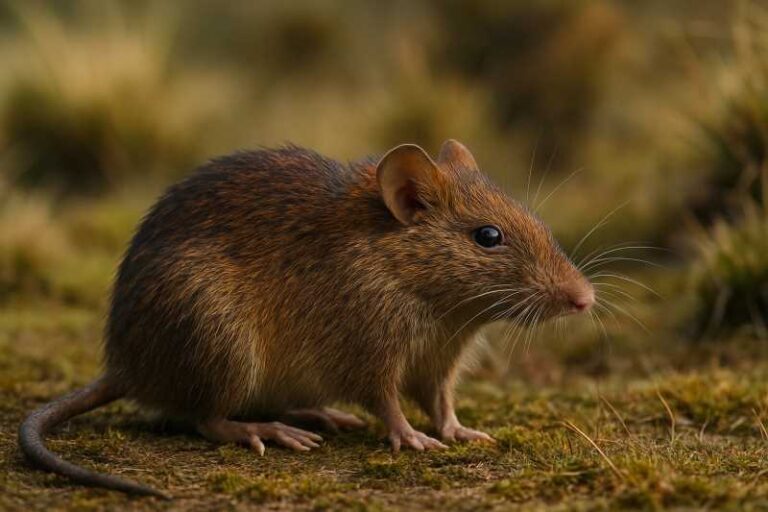
The Long-tailed Bandicoot is characterized by its small to medium size, with an average body length ranging from 20 to 30 centimeters and a tail that often exceeds its body length, measuring up to 35 centimeters. This unique tail is not only long but also somewhat prehensile, aiding in balance and navigation through dense undergrowth. The bandicoot’s fur is typically a mottled brown and gray, providing excellent camouflage against the forest floor. Its pointed snout and large, round ears are adapted for foraging, while its sharp claws are designed for digging.
Key Physical Features:
- Size: 20-30 cm body length, 35 cm tail
- Fur: Mottled brown and gray
- Snout: Pointed
- Ears: Large and round
- Claws: Sharp for digging
Range and Habitat
The Long-tailed Bandicoot is indigenous to the island of New Guinea, where it primarily inhabits the tropical and subtropical rainforests. It can be found across both Papua New Guinea and the Indonesian province of Papua. This species prefers dense forest environments with plenty of ground cover, which offer protection from predators and abundant food resources. They are known to occupy altitudes ranging from sea level up to 3,000 meters, demonstrating their adaptability to different forest conditions.
Habitat Preferences:
- Region: New Guinea (Papua New Guinea and Indonesian Papua)
- Environment: Tropical and subtropical rainforests
- Altitude: Sea level to 3,000 meters
Behavior and Diet
The Long-tailed Bandicoot is primarily nocturnal, spending daylight hours hidden in burrows or under dense vegetation. This behavior helps them avoid predation and conserve energy during the heat of the day. They are solitary animals, coming together only to mate. The diet of the Long-tailed Bandicoot is omnivorous, consisting of insects, small vertebrates, fruits, and seeds. Their foraging behavior plays a crucial role in seed dispersal and soil health, contributing to the forest ecosystem.
Behavioral Traits:
- Activity: Nocturnal
- Social Structure: Solitary
- Diet: Omnivorous (insects, fruits, seeds)
Identification Tips (Field Recognition Cues)
Identifying the Long-tailed Bandicoot in its natural habitat can be challenging due to its elusive nature and excellent camouflage. However, certain cues can aid in recognition:
- Tail Length: Look for a tail longer than the body.
- Fur Pattern: Mottled brown and gray fur blending with the forest floor.
- Foraging Signs: Disturbed soil and small holes indicating digging.
- Tracks: Small, clawed footprints.
- Sounds: Occasional rustling in undergrowth during the night.
Conservation Status (With Threats and Protections)
The conservation status of the Long-tailed Bandicoot is currently listed as "Least Concern" by the International Union for Conservation of Nature (IUCN). However, this does not mean the species is free from threats. Habitat destruction due to logging and agricultural expansion poses significant risks to their populations. Additionally, climate change and introduced predators, such as dogs and feral cats, further threaten their survival. Conservation efforts are focused on habitat preservation and controlling invasive species to ensure the long-term survival of this species.
Threats:
- Habitat destruction (logging, agriculture)
- Climate change
- Predation by introduced species
Protections:
- Habitat preservation initiatives
- Invasive species control programs
Frequently Asked Questions
1. What is the primary habitat of the Long-tailed Bandicoot?
The Long-tailed Bandicoot primarily inhabits the tropical and subtropical rainforests of New Guinea, favoring regions with dense ground cover and abundant food resources.
2. How does the Long-tailed Bandicoot contribute to its ecosystem?
This bandicoot plays a vital role in seed dispersal and soil aeration through its foraging activities, which help maintain the health and biodiversity of the forest ecosystem.
3. What are the main threats to the Long-tailed Bandicoot?
The primary threats include habitat destruction due to logging and agriculture, climate change, and predation from introduced species like dogs and feral cats.
4. How can we help protect the Long-tailed Bandicoot?
Supporting conservation efforts such as habitat preservation and invasive species control programs can help protect this species. Awareness campaigns can also contribute to its conservation.
5. Is the Long-tailed Bandicoot endangered?
Currently, the Long-tailed Bandicoot is listed as "Least Concern" by the IUCN, but ongoing threats require continuous monitoring and conservation efforts.
Related posts