Introduction
The Cameroon White-toothed Shrew, scientifically known as Crocidura picea, is a lesser-known mammal species endemic to the dense forests of Cameroon. This small, elusive creature plays an essential role in its ecosystem, yet remains shrouded in mystery due to its secretive nature and limited distribution. This article delves into the intriguing world of the Cameroon White-toothed Shrew, exploring its physical characteristics, habitat preferences, behaviors, and conservation status.
Physical Description
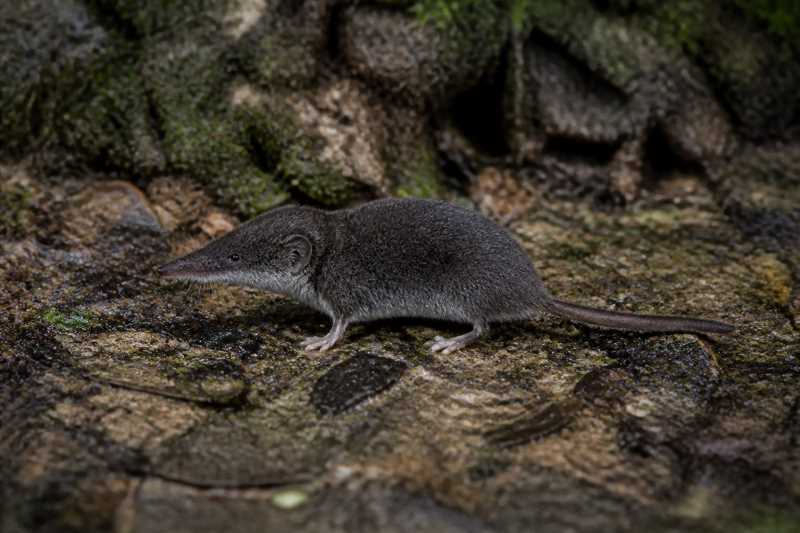
The Cameroon White-toothed Shrew is a small mammal, typically measuring between 6 to 8 centimeters in body length, with an additional tail length of roughly 4 to 5 centimeters. It is characterized by its dark, sleek fur, which provides excellent camouflage in the dimly lit underbrush of its forest habitat. The fur is often a dark brown or black color, which can appear almost iridescent in certain lighting conditions.
One of the most distinctive features of this species is its dentition. As its name suggests, the shrew has white teeth, a trait that differentiates it from many other shrew species which commonly exhibit red-tinged teeth due to iron deposits. The teeth of the Crocidura picea are sharp and well-adapted for its insectivorous diet.
The shrew has a pointed snout and small, beady eyes that are not particularly well-suited to visual acuity. Instead, it relies heavily on its acute sense of smell and hearing to navigate and hunt in its environment. Its limbs are short but robust, providing the strength needed for digging and foraging through leaf litter.
Range and Habitat
Endemic to Cameroon, the range of the Cameroon White-toothed Shrew is restricted to the southwestern regions of the country, particularly in the high-altitude forests near Mount Cameroon. These montane forests provide a cool, humid climate that is ideal for the shrew’s survival.
The species predominantly inhabits dense, moist forests, where the ground is covered with a thick layer of leaf litter and underbrush. This environment not only provides ample food resources but also offers plenty of cover from predators. The shrew is a terrestrial animal, spending much of its time foraging close to the forest floor.
Behavior and Diet
The Cameroon White-toothed Shrew is primarily nocturnal, using the cover of darkness to avoid predators and to hunt for food. Its diet is mainly composed of insects and other small invertebrates, which it captures using its keen senses and agile movements. The shrew’s metabolism is exceptionally high, necessitating frequent feeding to sustain its energy levels.
Social behavior in Crocidura picea is relatively limited. These shrews are generally solitary except during the breeding season when males and females come together briefly to mate. After a gestation period of approximately three weeks, the female gives birth to a litter of two to seven young. The young are altricial, requiring significant parental investment until they are weaned and capable of independent survival.
Identification Tips (Field Recognition Cues)
Identifying the Cameroon White-toothed Shrew in the field requires careful observation due to its elusive nature and the dense habitat it resides in. Here are some key identification tips:
- Size and Proportion: Look for a small mammal with a body length of 6-8 cm, complemented by a proportionately long tail.
- Fur Coloration: Note the dark brown to black fur, which may have an iridescent sheen.
- Teeth: If observed at close range, its white teeth are a distinguishing feature.
- Behavior: Nocturnal activity patterns and erratic movement through leaf litter can indicate its presence.
- Habitat: Focus on areas with dense underbrush and significant leaf litter within montane forests.
Conservation Status (With Threats and Protections)
The conservation status of the Cameroon White-toothed Shrew is currently listed as "Data Deficient" by the International Union for Conservation of Nature (IUCN). The primary reason for this classification is the lack of comprehensive data on its population size, distribution, and trends.
However, the species is likely facing several threats that are common to forest-dwelling animals in Cameroon. Habitat destruction due to logging, agricultural expansion, and human encroachment poses significant risks. Additionally, climate change may alter the shrew’s montane habitat, further threatening its survival.
Conservation efforts for the Crocidura picea are currently limited, though the protection of its habitat is crucial. Ensuring the preservation of Cameroon’s montane forests will not only benefit this shrew but also countless other species that rely on these ecosystems.
Frequently Asked Questions
What does the Cameroon White-toothed Shrew eat?
The Cameroon White-toothed Shrew primarily feeds on insects and other small invertebrates. Its diet is insectivorous, and it uses its sharp white teeth to capture and consume prey in the dense forest underbrush.
Where can the Cameroon White-toothed Shrew be found?
This species is endemic to Cameroon, specifically in the southwestern montane forests near Mount Cameroon. These habitats are characterized by dense vegetation and high humidity, ideal for the shrew’s survival.
How does the Cameroon White-toothed Shrew contribute to its ecosystem?
As an insectivore, the Cameroon White-toothed Shrew plays a vital role in controlling insect populations, contributing to the ecological balance within its forest habitat.
What are the primary threats to the Cameroon White-toothed Shrew?
The main threats include habitat destruction due to deforestation, agricultural development, and climate change, all of which can negatively impact the shrew’s natural environment.
Is the Cameroon White-toothed Shrew endangered?
Currently, the species is listed as "Data Deficient" by the IUCN, meaning that there is insufficient information to determine its exact conservation status. However, it is potentially at risk due to habitat-related threats.
Related posts