Introduction
The Horn-skinned Serotine, scientifically known as Cnephaeus floweri, is a remarkable species of bat belonging to the Vespertilionidae family. This intriguing mammal is a subject of fascination for many researchers and wildlife enthusiasts due to its unique physical characteristics and ecological significance. Native to specific regions of Southeast Asia, the Horn-skinned Serotine is an integral part of its ecosystem, contributing to insect population control and pollination. This article delves into various aspects of the Horn-skinned Serotine, including its physical attributes, habitat, behavior, and conservation status.
Physical Description
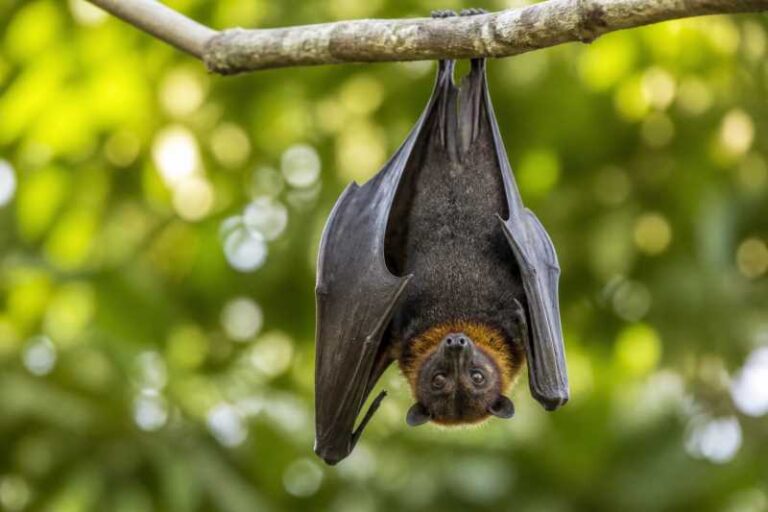
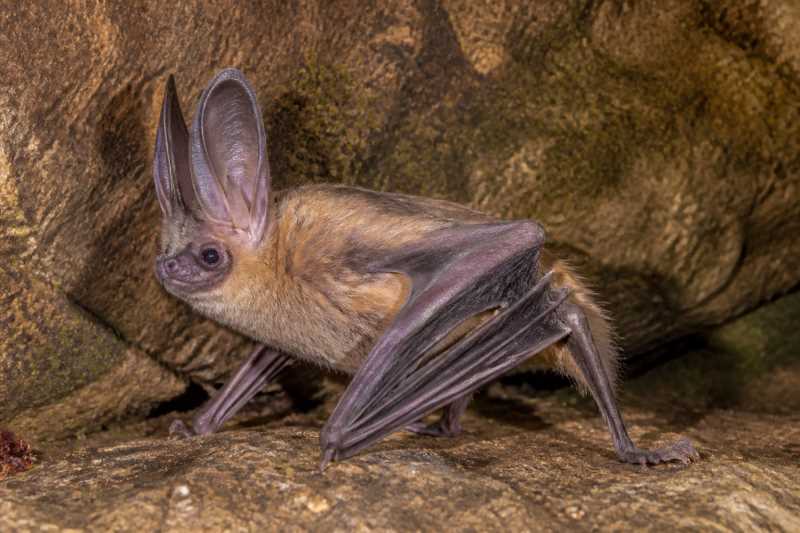
The Horn-skinned Serotine is distinguished by its distinct appearance, which sets it apart from other bat species. It possesses a medium-sized body, with an average length ranging from 4 to 5 inches, and a wingspan that extends up to 12 inches. One of the most notable features of this species is its horn-like skin projections on the dorsal side, which are believed to play a role in thermoregulation and camouflage.
The fur of the Horn-skinned Serotine is generally dark brown to gray, providing excellent concealment against tree bark and rocky surfaces. Its ears are rounded and relatively large, aiding in echolocation, which is essential for navigation and hunting in the dark. The eyes are small, as is common in many bat species, since they rely more on echolocation than vision.
Range and Habitat
The Horn-skinned Serotine is predominantly found in the tropical and subtropical regions of Southeast Asia, including parts of Thailand, Malaysia, and Indonesia. This species thrives in diverse habitats, ranging from lowland forests to mountainous areas, where it roosts in caves, tree hollows, and sometimes abandoned buildings.
These bats prefer areas that provide ample food supply and safe roosting sites. They are especially fond of regions with dense vegetation, which offer abundant insect prey and protection from predators. The Horn-skinned Serotine is also known to adapt to secondary forests and human-modified landscapes, demonstrating a degree of ecological flexibility.
Behavior and Diet
The Horn-skinned Serotine is primarily nocturnal, emerging at dusk to begin its nightly foraging activities. It is an insectivorous species, with a diet consisting mainly of moths, beetles, and other flying insects. The bat employs echolocation to detect and capture its prey, emitting high-frequency calls that bounce off objects and return as echoes, allowing it to pinpoint the location of its food.
Social behavior in the Horn-skinned Serotine is characterized by small, cohesive groups, often comprising family units. These bats communicate through a series of vocalizations and physical interactions, which play a crucial role in maintaining group cohesion and coordinating foraging activities.
Identification Tips (Field Recognition Cues)
Identifying the Horn-skinned Serotine in the field can be a rewarding experience for wildlife enthusiasts. Here are some key tips to help recognize this species:
- Unique Horn-like Skin Projections: Look for the distinctive horn-like protuberances on the bat’s back, which are a reliable identification feature.
- Echolocation Calls: Familiarize yourself with the frequency and pattern of the bat’s echolocation calls, which can be detected using specialized ultrasonic detectors.
- Roosting Sites: Check potential roosting sites like caves and tree hollows during the day, as these are common resting places for the Horn-skinned Serotine.
- Flight Pattern: Observe the bat’s flight pattern at dusk. The Horn-skinned Serotine exhibits a swift, agile flight, often close to vegetation where insects are plentiful.
Conservation Status (With Threats and Protections)
The Horn-skinned Serotine is currently classified as a species of Least Concern on the IUCN Red List. However, it faces several threats that could impact its population if not addressed. Habitat loss due to deforestation and land conversion for agriculture poses a significant risk to this species, as it reduces available roosting and foraging areas.
Additionally, the use of pesticides in agricultural practices can diminish insect populations, depriving the bats of their primary food source. Climate change also presents a long-term threat by altering the habitat and food availability for the Horn-skinned Serotine.
Conservation efforts are essential to ensure the survival of this species. Protecting natural habitats, promoting sustainable agricultural practices, and raising awareness about the ecological role of bats are crucial steps towards safeguarding the Horn-skinned Serotine’s future.
Frequently Asked Questions
1. What is the lifespan of the Horn-skinned Serotine?
The Horn-skinned Serotine typically has a lifespan of up to 10 years in the wild, although factors such as predation and environmental conditions can influence longevity.
2. How does the Horn-skinned Serotine contribute to the ecosystem?
This bat species plays a vital role in controlling insect populations, acting as a natural pest control agent. It also contributes to pollination, aiding in the reproduction of various plant species.
3. Are Horn-skinned Serotines dangerous to humans?
Horn-skinned Serotines are not dangerous to humans. They are shy, non-aggressive creatures that avoid human interaction. They play a beneficial role in the ecosystem and pose no threat to people.
4. How can I help in conserving the Horn-skinned Serotine?
Supporting conservation organizations, advocating for habitat protection, and spreading awareness about the importance of bats are effective ways to contribute to the conservation of the Horn-skinned Serotine.
5. What are the main threats faced by the Horn-skinned Serotine?
The primary threats include habitat destruction, pesticide use, and climate change, all of which can impact their food supply and roosting sites.
Related posts