Introduction
Thomas’s Big-eared Brown Bat, scientifically known as Histiotus laephotis, is a fascinating species belonging to the Vespertilionidae family. This bat is renowned for its distinctively large ears and its role in the ecosystem as an insectivore. It inhabits various regions in South America, contributing to biodiversity and the control of insect populations. Despite its ecological importance, limited information is available about this elusive bat, highlighting the need for further research and conservation efforts.
Physical Description
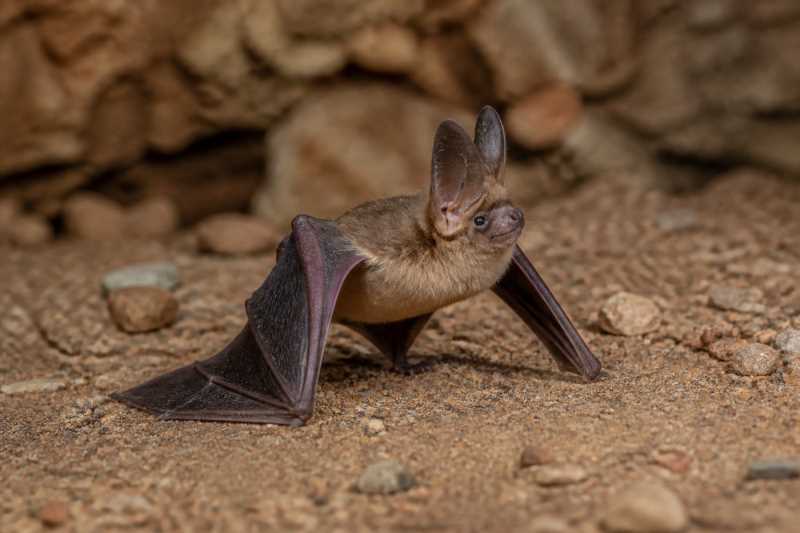
The Thomas’s Big-eared Brown Bat is characterized by its medium size and notably large ears, which are an adaptation for echolocation. Adults typically weigh between 8 to 12 grams and have a wingspan ranging from 28 to 32 centimeters. The fur of Histiotus laephotis is soft and dense, with a brown coloration that provides camouflage against tree bark and other natural environments.
The large ears of this species are not only distinctive but also functional, enhancing their ability to detect prey through echolocation. The tragus, a small projection in front of the ear canal, is long and pointed, further aiding in sound reception. The wings are broad, allowing for agile flight through dense forests.
Range and Habitat
Thomas’s Big-eared Brown Bat is native to South America, with confirmed sightings in countries such as Argentina, Brazil, and Uruguay. This species prefers habitats that offer a mix of forested areas and open spaces, which are ideal for foraging and roosting.
In terms of altitude, Histiotus laephotis is adaptable and can be found from sea level up to mountainous regions. Roosting sites often include tree cavities, under loose bark, and occasionally human structures, showing their adaptability to various environments.
Behavior and Diet
This bat species is nocturnal, emerging at dusk to begin foraging. As an insectivore, its diet primarily consists of moths, beetles, and other flying insects. The large ears of Histiotus laephotis are instrumental in locating prey through echolocation, allowing it to hunt efficiently in complete darkness.
Socially, Thomas’s Big-eared Brown Bat tends to roost in small groups, although solitary roosting is not uncommon. During the mating season, males may establish territories and exhibit vocalizations to attract females.
Identification Tips (field recognition cues)
Identifying Thomas’s Big-eared Brown Bat in the field involves several key features:
- Large Ears: The most distinctive feature, their ears are proportionally larger than those of many other bat species.
- Brown Fur: Soft and dense, providing effective camouflage.
- Tragus: Noticeably long and pointed, assisting in echolocation.
- Flight Pattern: Agile and erratic, typical of insectivorous bats hunting at night.
When observing bats in their natural habitat, these characteristics can help differentiate Histiotus laephotis from other species.
Conservation Status (with threats and protections)
The conservation status of Thomas’s Big-eared Brown Bat is currently categorized as Least Concern by the International Union for Conservation of Nature (IUCN). However, like many bat species, it faces threats from habitat destruction, pesticide use, and climate change.
Deforestation and land conversion for agriculture reduce available roosting and foraging areas. Pesticides can diminish insect populations, directly affecting the bat’s food source. Climate change poses a long-term threat by altering habitats and weather patterns.
Conservation efforts include habitat protection and the promotion of bat-friendly practices in agriculture and forestry. Research initiatives aimed at better understanding this species’ ecology and distribution are crucial for informed conservation strategies.
Frequently Asked Questions
What is the primary diet of Thomas’s Big-eared Brown Bat?
Thomas’s Big-eared Brown Bat primarily feeds on insects, including moths and beetles. Its large ears aid in echolocation, making it an efficient nocturnal hunter.
Where can Thomas’s Big-eared Brown Bat be found?
This species is native to South America, with sightings reported in Argentina, Brazil, and Uruguay. It inhabits forested areas and open spaces from sea level to mountainous regions.
How does Thomas’s Big-eared Brown Bat contribute to the ecosystem?
By consuming large quantities of insects, Thomas’s Big-eared Brown Bat helps control pest populations, benefiting agriculture and reducing the spread of insect-borne diseases.
What are the main threats to Thomas’s Big-eared Brown Bat?
The primary threats include habitat destruction due to deforestation, pesticide use affecting food availability, and climate change impacting habitats and weather patterns.
How can we support the conservation of Thomas’s Big-eared Brown Bat?
Supporting habitat preservation, promoting bat-friendly agricultural practices, and participating in research and citizen science initiatives can aid in the conservation of this bat species.
Related posts