Introduction
The Buka Island Mosaic-tailed Rat, scientifically known as Melomys spechti, is a fascinating yet lesser-known species of rodent found exclusively on Buka Island in Papua New Guinea. This species is part of the Muridae family, a diverse group that includes some of the most adaptable and widespread mammals on Earth. Despite its limited geographical range, the Buka Island Mosaic-tailed Rat plays a crucial role in its ecosystem, contributing to seed dispersal and influencing the ecological dynamics of its habitat. Understanding such a species is vital for developing effective conservation strategies, especially given the increasing pressures of habitat loss and climate change.
Physical Description
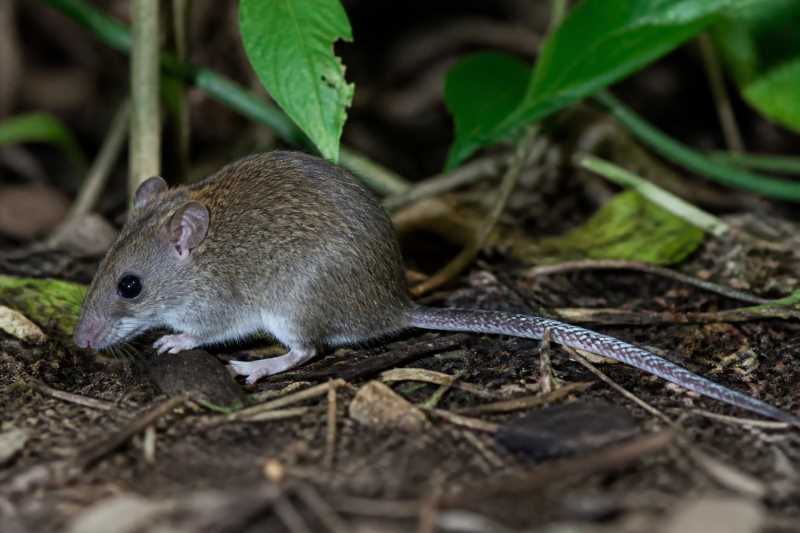
The Buka Island Mosaic-tailed Rat is distinguished by its unique morphological characteristics. It is a medium-sized rodent, with adults typically weighing between 80 to 150 grams. The fur is predominantly a soft brownish hue, providing excellent camouflage against the forest floor. One of the most notable features of this species is its mosaic-patterned tail, from which it derives its common name. The tail is covered with small, mosaic-like scales that provide a tactile surface. This adaptation is believed to aid in arboreal locomotion, allowing the rat to navigate its forested environment with agility and precision.
The Buka Island Mosaic-tailed Rat also has large, dark eyes and rounded ears, enhancing its nocturnal lifestyle. Its limbs are robust, with sharp, curved claws that facilitate climbing and foraging in dense vegetation. Overall, its physical adaptations are closely tied to its ecological niche, enabling it to thrive in the humid, tropical conditions of Buka Island.
Range and Habitat
As its name suggests, the Buka Island Mosaic-tailed Rat is endemic to Buka Island, part of the Autonomous Region of Bougainville in Papua New Guinea. This species inhabits tropical rainforests, a biome characterized by high humidity, dense vegetation, and a diverse array of flora and fauna. The rainforests of Buka Island provide an ideal habitat, offering ample food resources and shelter.
The rat is primarily found in lowland areas, although it can occasionally venture into montane forests. It prefers undisturbed forest environments, where it can exploit the complex vertical structure of the forest to avoid predators and access food resources. Deforestation and habitat fragmentation pose significant threats to its habitat, emphasizing the need for conservation efforts that prioritize habitat preservation.
Behavior and Diet
The Buka Island Mosaic-tailed Rat is primarily nocturnal, spending the majority of its active hours foraging for food under the cover of darkness. Its diet is omnivorous, consisting of fruits, seeds, and small invertebrates. This dietary flexibility allows it to adapt to seasonal changes in food availability, a crucial survival trait in the dynamic tropical ecosystem.
Socially, the Buka Island Mosaic-tailed Rat is relatively solitary, although individuals may be observed foraging in loose groups when food is abundant. Communication among these rats is likely to involve a combination of vocalizations and scent markings, though specific details of their social interactions remain under-researched.
Identification Tips (field recognition cues)
Identifying the Buka Island Mosaic-tailed Rat in the field requires careful observation of several key features:
- Tail Pattern: Look for the distinctive mosaic-patterned tail, which is unique among the rodent species on Buka Island.
- Fur Color: Note the soft brown fur, which blends with the forest floor and provides camouflage.
- Size and Shape: Observe the medium size and robust body, which are typical of this species.
- Behavior: Watch for nocturnal activity patterns, as this species is primarily active at night.
These identification tips can help researchers and conservationists distinguish the Buka Island Mosaic-tailed Rat from other sympatric rodent species.
Conservation Status (with threats and protections)
The Buka Island Mosaic-tailed Rat is currently listed as Vulnerable on the IUCN Red List. The primary threats to its survival include habitat destruction and fragmentation due to logging and agricultural expansion. Additionally, the introduction of invasive species, such as feral cats and dogs, poses a significant predatory threat.
Conservation efforts for this species focus on habitat protection and restoration. Establishing protected areas and promoting sustainable land-use practices are critical strategies. Additionally, community engagement and education initiatives can help raise awareness about the importance of preserving Buka Island’s unique biodiversity.
Frequently Asked Questions
What is the primary habitat of the Buka Island Mosaic-tailed Rat?
The Buka Island Mosaic-tailed Rat primarily inhabits tropical rainforests on Buka Island. It prefers undisturbed, dense forest environments where it can find shelter and food.
How does the Buka Island Mosaic-tailed Rat contribute to its ecosystem?
This species plays a vital role in seed dispersal, aiding in plant regeneration and maintaining the ecological balance of the rainforest. Its diet of fruits and seeds helps distribute seeds throughout its habitat.
What are the main threats to the Buka Island Mosaic-tailed Rat?
The main threats include habitat destruction due to deforestation, agricultural expansion, and the introduction of invasive species such as feral cats and dogs, which prey on the rats.
How can conservation efforts protect the Buka Island Mosaic-tailed Rat?
Conservation efforts should focus on protecting and restoring its rainforest habitat, implementing sustainable land-use practices, and engaging local communities in conservation initiatives.
What physical features distinguish the Buka Island Mosaic-tailed Rat from other rodents?
The distinctive mosaic-patterned tail, soft brown fur, and medium size are key physical features that differentiate the Buka Island Mosaic-tailed Rat from other rodent species on the island.
Related posts