Introduction
The Mountain Mosaic-tailed Rat, scientifically known as Paramelomys rubex, is a lesser-known but fascinating rodent species belonging to the Muridae family. This intriguing mammal is primarily found in the mountainous regions of New Guinea, where it inhabits dense forests and rugged terrains. Though not as famous as some of its rodent cousins, the Mountain Mosaic-tailed Rat plays a crucial role in its ecosystem, contributing to seed dispersal and serving as prey for various predators. In this article, we delve into the captivating world of the Mountain Mosaic-tailed Rat, exploring its physical characteristics, habitat, behavior, and the conservation efforts in place to protect this unique species.
Physical Description
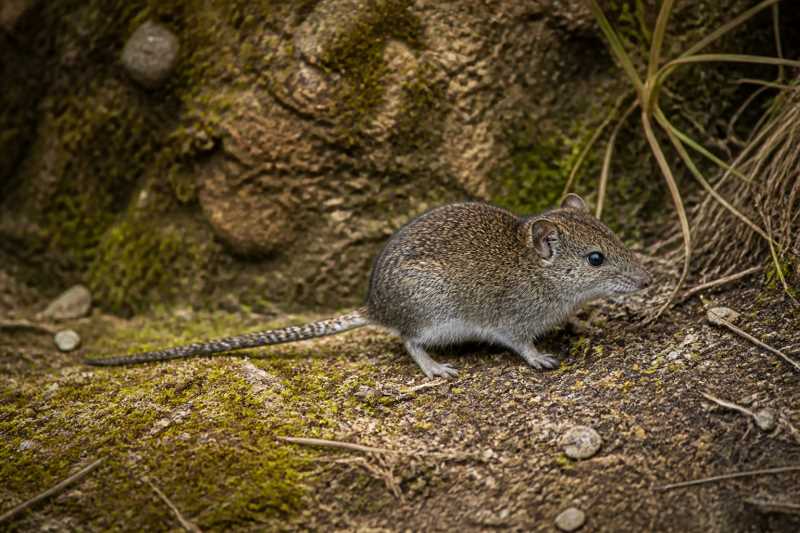
The Mountain Mosaic-tailed Rat is a medium-sized rodent, characterized by its distinctive mosaic-patterned tail, which is a key identifying feature. Adult rats typically weigh between 100 to 150 grams and have a body length ranging from 15 to 18 centimeters, with a tail length that often matches or slightly exceeds the body length. Their fur is generally soft and dense, with a coloration that varies from a rich brown to a more subdued gray, providing excellent camouflage in their natural habitat.
The head of the Mountain Mosaic-tailed Rat is slightly elongated, with small, rounded ears and large, expressive eyes that are well-adapted for nocturnal activity. Their feet are equipped with sharp claws, which aid in climbing and foraging, while their strong incisors are perfect for gnawing through tough plant material and seeds.
Range and Habitat
The Mountain Mosaic-tailed Rat is endemic to the island of New Guinea, with its range primarily confined to the central and eastern highlands. These rats are typically found at elevations ranging from 1,200 to 3,000 meters, where they inhabit montane forests and alpine meadows. The dense undergrowth and abundant leaf litter in these areas provide ample cover and foraging opportunities.
Their preference for high-altitude environments means that Mountain Mosaic-tailed Rats are often found in areas with cooler temperatures and higher humidity, conditions that are essential for their survival. The diverse flora of these regions offers a variety of food sources and nesting materials, making them ideal habitats for these rodents.
Behavior and Diet
Mountain Mosaic-tailed Rats are primarily nocturnal creatures, spending their nights foraging for food and their days resting in burrows or hidden nests. They are solitary animals, with adults maintaining distinct territories that they defend from intruders. Communication between individuals is primarily through vocalizations and scent markings, which help convey information about territory boundaries and reproductive status.
The diet of the Mountain Mosaic-tailed Rat is largely herbivorous, consisting of seeds, fruits, leaves, and other plant matter. They play a crucial role in their ecosystem by aiding in seed dispersal, which contributes to forest regeneration. Occasionally, they may also consume insects and other small invertebrates, providing a source of protein in their diet.
Identification Tips (Field Recognition Cues)
Identifying the Mountain Mosaic-tailed Rat in the field can be challenging due to its elusive nature and the dense habitats it occupies. However, several key features can aid in recognition:
- Mosaic-patterned tail: The distinctive pattern on the tail is a unique characteristic of this species.
- Size and fur: Look for a medium-sized rodent with soft, dense fur that ranges from brown to gray.
- Habitat: These rats are typically found in high-altitude montane forests and alpine meadows.
- Behavior: Observing nocturnal activity and solitary behavior can also be indicative.
Conservation Status (With Threats and Protections)
The Mountain Mosaic-tailed Rat is currently listed as Least Concern by the International Union for Conservation of Nature (IUCN). However, its population is believed to be declining due to several threats, primarily habitat loss and degradation. Deforestation for agriculture, logging, and mining activities pose significant risks to their natural habitats.
Conservation efforts are crucial to ensure the survival of this species. Protected areas in New Guinea, such as national parks and reserves, play a vital role in preserving their habitats. Additionally, ongoing research and monitoring programs help track population trends and inform conservation strategies.
Frequently Asked Questions
What is the primary diet of the Mountain Mosaic-tailed Rat?
The Mountain Mosaic-tailed Rat primarily feeds on seeds, fruits, leaves, and other plant matter, playing a vital role in seed dispersal and forest regeneration.
Where can the Mountain Mosaic-tailed Rat be found?
This species is endemic to New Guinea, primarily inhabiting the central and eastern highlands at elevations between 1,200 to 3,000 meters.
What are the main threats to the Mountain Mosaic-tailed Rat?
The main threats include habitat loss and degradation due to deforestation for agriculture, logging, and mining activities in New Guinea.
How can one identify a Mountain Mosaic-tailed Rat in the wild?
Identifying features include a mosaic-patterned tail, medium size, and soft, dense fur ranging from brown to gray. They are found in high-altitude montane forests.
Is the Mountain Mosaic-tailed Rat endangered?
Currently, the species is listed as Least Concern by the IUCN, but its population is declining due to habitat-related threats.
Related posts