Introduction
The Chapa Tree Mouse, scientifically known as Typhlomys chapensis, is an intriguing and lesser-known species of rodent that inhabits specific regions of Southeast Asia. This small, elusive mammal belongs to the family Platacanthomyidae and is a subject of interest for researchers and wildlife enthusiasts alike due to its unique adaptations and ecological role. As part of the diverse rodent family, the Chapa Tree Mouse is an excellent representation of the adaptability and survival strategies of small mammals in varied habitats.
This article delves into the fascinating aspects of the Chapa Tree Mouse, covering its physical characteristics, habitat preferences, behavioral patterns, and conservation status. Additionally, we provide identification tips for those interested in observing this species in the wild, as well as addressing frequently asked questions about its lifestyle and conservation needs.
Physical Description
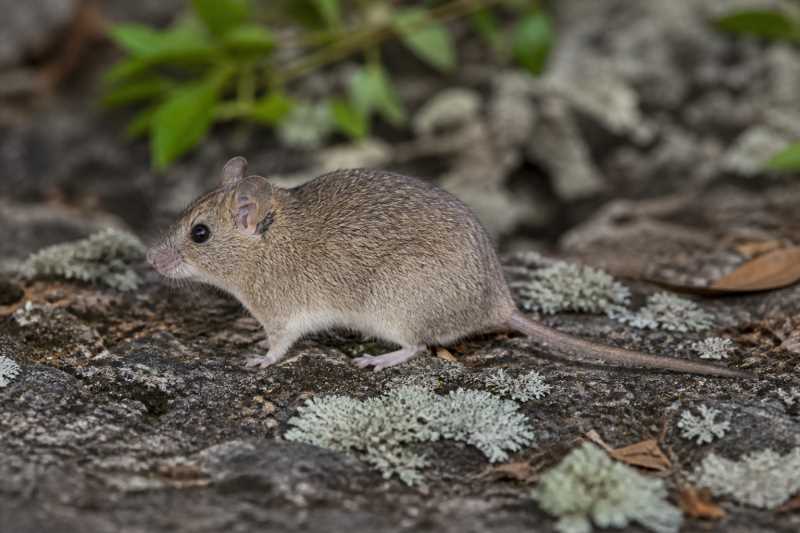
The Chapa Tree Mouse is a small rodent, characterized by its compact body and distinct physical features. Adults typically weigh between 15 to 25 grams and measure approximately 8 to 12 centimeters in length, excluding the tail. The tail itself is relatively long, often exceeding the length of the body, and is well-adapted for balance and maneuverability in the tree-dense environments the species inhabits.
One of the most striking features of the Chapa Tree Mouse is its dense, velvety fur, which provides insulation and protection against the elements. The coloration is generally a mix of grayish-brown on the dorsal side, with a lighter, whitish hue on the ventral side. This coloration provides excellent camouflage against the bark and foliage of trees, aiding in its survival by reducing visibility to predators.
The mouse’s eyes are relatively large compared to other rodents, an adaptation likely linked to its nocturnal lifestyle. This feature enhances its ability to navigate and forage in low-light conditions. The ears are small and rounded, providing acute hearing capabilities that complement its visual acuity.
Range and Habitat
The geographic range of the Chapa Tree Mouse is primarily confined to the montane forests of Vietnam and parts of southern China. Its presence has been specifically recorded in the Hoàng Liên Son range in northern Vietnam, particularly around the Chapa region, from which the species derives its name.
The preferred habitat of the Chapa Tree Mouse is subtropical or tropical moist montane forests. These environments provide the necessary cover and resources, such as abundant food supply and nesting sites, that support its survival. The dense undergrowth and tree canopy offer protection from predators and harsh weather conditions, while also facilitating its arboreal lifestyle.
The elevation range within which the Chapa Tree Mouse is typically found varies, but it generally inhabits areas between 1,200 to 2,500 meters above sea level. This elevation preference is influenced by the availability of specific plant species and climatic conditions conducive to its ecological requirements.
Behavior and Diet
The Chapa Tree Mouse is primarily nocturnal, with most of its activities occurring during the night. This behavior minimizes competition with other diurnal species and reduces the risk of predation. During the day, the mouse rests in nests constructed from leaves and twigs or in natural cavities found within trees.
Its diet is omnivorous, consisting of a variety of plant materials, seeds, fruits, and small invertebrates. The ability to exploit a range of food sources is a critical adaptation for survival in the diverse montane ecosystems where it resides. Foraging behavior is typically solitary, although individuals may sometimes be observed in pairs or small groups, particularly during the breeding season.
Reproductive patterns of the Chapa Tree Mouse are not thoroughly documented, but it is presumed that, like many small rodents, it has a short gestation period and produces multiple litters per year. This reproductive strategy ensures the continuation of the species despite environmental pressures and predation.
Identification Tips (Field Recognition Cues)
Identifying the Chapa Tree Mouse in the wild requires careful observation and knowledge of its distinguishing features. Here are some tips to help in its identification:
- Size and Shape: Look for a small rodent with a body length of 8 to 12 centimeters and a long tail, often longer than the body itself.
- Fur and Coloration: Note the dense, velvety fur with a grayish-brown back and lighter underparts.
- Behavior: Observe nocturnal activity patterns and arboreal movement, often within trees or dense undergrowth.
- Habitat Location: Focus on montane forest regions within Vietnam and southern China, particularly at elevations of 1,200 to 2,500 meters.
- Sounds: Listen for any rustling in the foliage or subtle vocalizations during the night, indicative of its presence.
Conservation Status (With Threats and Protections)
The current conservation status of the Chapa Tree Mouse is not well-documented, primarily due to the lack of comprehensive population studies. However, like many species residing in specialized habitats, it faces several threats that could impact its survival.
Threats
- Habitat Loss: Deforestation and land conversion for agriculture and development are significant threats to the montane forest environments that the Chapa Tree Mouse inhabits.
- Climate Change: Alterations in temperature and precipitation patterns can affect the availability of food resources and suitable nesting sites.
- Predation: Natural predators, including birds of prey and larger mammals, pose ongoing threats to individual mice.
Protections
Efforts to conserve the Chapa Tree Mouse require habitat protection and restoration initiatives. Establishing protected areas within its range and promoting sustainable land-use practices can help mitigate habitat loss. Additionally, further research into its population dynamics and ecological needs is essential for informed conservation planning.
Frequently Asked Questions
What is the primary diet of the Chapa Tree Mouse?
The Chapa Tree Mouse is an omnivore, feeding on a variety of plant materials, seeds, fruits, and small invertebrates. Its diet is adapted to the resources available in its montane forest habitat.
How can one differentiate the Chapa Tree Mouse from other rodents?
Key identifiers include its small size, long tail, dense velvety fur, and grayish-brown coloration with lighter underparts. Its nocturnal and arboreal habits, coupled with its specific geographic range, also aid in differentiation.
What are the main threats to the Chapa Tree Mouse?
The primary threats include habitat loss due to deforestation, climate change impacts, and predation by natural predators. Conservation efforts focus on habitat protection and sustainable land use.
Is the Chapa Tree Mouse endangered?
The conservation status is not well-documented, but it is considered vulnerable due to habitat-specific threats. More research is needed to assess its population status accurately.
Related posts