Introduction
The White-bellied Mosaic-tailed Rat, scientifically known as Melomys leucogaster, is a fascinating yet lesser-known mammal species. This rodent is part of the family Muridae and is most notable for its unique mosaic-like tail and distinctive white belly. Found primarily in select regions of Papua New Guinea and nearby islands, this species adds to the rich biodiversity of the area. Despite its limited range, the White-bellied Mosaic-tailed Rat plays a crucial role in its ecosystem, contributing to seed dispersal and the food web dynamics.
In this comprehensive article, we delve into the various aspects of the White-bellied Mosaic-tailed Rat, covering its physical characteristics, natural habitat, behavioral patterns, conservation status, and more. Whether you’re a wildlife enthusiast, researcher, or conservationist, this detailed exploration will enhance your understanding of this intriguing species.
Physical Description
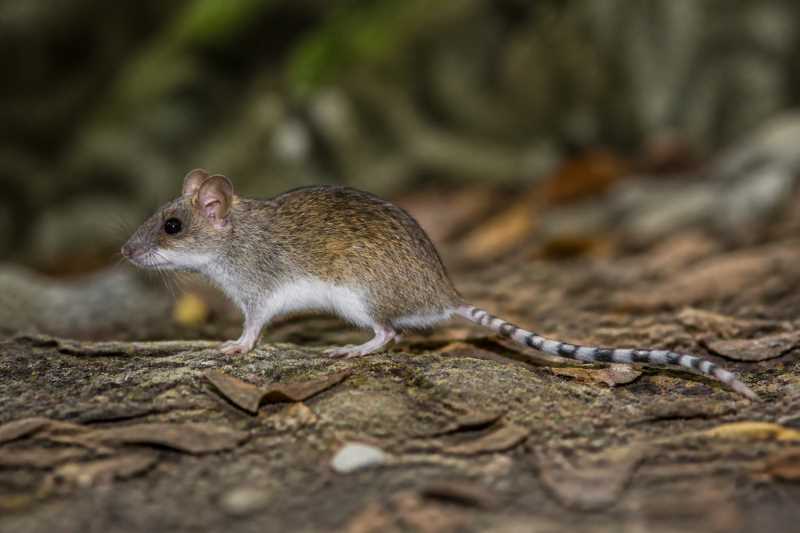
The White-bellied Mosaic-tailed Rat is distinguished by its striking physical features. Adult specimens typically have a body length ranging from 13 to 18 centimeters, with a tail that extends slightly longer than the body, measuring between 14 to 20 centimeters. The tail is particularly noteworthy for its mosaic-like appearance, which is created by the way scales and skin colors intermingle along its length.
The fur of the White-bellied Mosaic-tailed Rat is soft and dense, providing excellent insulation. The coloration on the dorsal side is generally a mix of browns and grays, which aids in camouflage within their natural habitat. In contrast, the ventral side is characterized by its stark white coloring, from which the species derives its common name. The ears are moderately sized and rounded, while the eyes are relatively large, reflecting their nocturnal lifestyle.
Range and Habitat
Melomys leucogaster is predominantly found in the lowland tropical forests of Papua New Guinea and some nearby islands. These environments provide the ideal conditions for this species, with abundant food resources and ample shelter from predators. The rat is adaptable to various forest types, including primary and secondary forests, but it shows a preference for areas with dense foliage.
The species’ range is relatively limited geographically, which can make it vulnerable to habitat disturbances. Within these locations, they often inhabit the understory and lower canopy layers, where they can find food and avoid larger predators. Their arboreal nature means they are excellent climbers, often constructing nests in tree hollows or dense vegetation.
Behavior and Diet
The White-bellied Mosaic-tailed Rat is primarily nocturnal, engaging in most of its activities under the cover of darkness. This nocturnal behavior helps protect it from diurnal predators and allows it to exploit food resources that are less accessible during the day.
The diet of Melomys leucogaster is omnivorous, consisting of a variety of fruits, seeds, and small invertebrates. This diverse diet not only provides the necessary nutrients for survival but also positions the rat as an important seed disperser in its ecosystem. By consuming fruits and excreting the seeds elsewhere, it contributes to forest regeneration and plant diversity.
Socially, these rats are generally solitary except during the breeding season or when a mother is nursing her young. Communication among individuals is likely facilitated through scent markings and vocalizations, although specific behaviors are not extensively documented.
Identification Tips (Field Recognition Cues)
Recognizing the White-bellied Mosaic-tailed Rat in the wild requires attention to several key features:
- Tail: Look for the unique mosaic pattern on the tail, which is a defining characteristic of this species.
- Coloration: Notice the stark contrast between the white belly and the darker dorsal side.
- Size: Consider the typical size range, with a body length of 13-18 cm and a tail slightly longer than the body.
- Habitat: Focus on the animal’s presence in lowland tropical forests and its arboreal behaviors.
These identification tips can assist researchers and enthusiasts in accurately identifying this species in its natural habitat, contributing to better data collection and conservation efforts.
Conservation Status (With Threats and Protections)
As of the current assessments, the White-bellied Mosaic-tailed Rat is not listed as endangered, but it is classified as a species of ‘Least Concern’ by the International Union for Conservation of Nature (IUCN). However, this status should not lead to complacency, as the species faces several threats that could impact its population numbers in the future.
The primary threat to Melomys leucogaster is habitat destruction due to deforestation and land conversion for agriculture. As their habitat is fragmented, the rats face challenges in finding food, shelter, and mates, leading to potential population declines. Additionally, introduced predators such as cats and rats can pose significant risks.
Conservation measures for the White-bellied Mosaic-tailed Rat should focus on habitat preservation, including the protection of existing forests and the restoration of degraded areas. Environmental awareness and education programs can also play a crucial role in mitigating human-induced threats.
Frequently Asked Questions
Why is this species unique?
The White-bellied Mosaic-tailed Rat is unique due to its distinct tail pattern and coloration. The mosaic-like scales on the tail set it apart from other rodents, while its white belly provides a striking contrast to its darker dorsal side. These features, along with its role in seed dispersal, make it a fascinating subject of study in mammalian biodiversity.
What role does it play in its ecosystem?
As an omnivorous species, the White-bellied Mosaic-tailed Rat plays a critical role in its ecosystem by aiding in seed dispersal. By consuming fruits and excreting the seeds in different locations, it helps maintain plant diversity and forest regeneration. This activity supports the health and sustainability of their tropical forest habitats.
Are there any conservation programs for this species?
Currently, there are no specific conservation programs targeting the White-bellied Mosaic-tailed Rat. However, broader conservation efforts aimed at preserving tropical forest habitats indirectly benefit this species. Organizations and local initiatives focused on reducing deforestation and promoting sustainable land use practices are essential for the rat’s long-term survival.
How can I help protect the White-bellied Mosaic-tailed Rat?
To help protect the White-bellied Mosaic-tailed Rat, you can support conservation organizations that focus on habitat preservation and sustainable forestry practices. Raising awareness about the species and its ecological importance can also contribute to its protection. Participating in or donating to reforestation projects can further aid in conserving their natural habitat.
What are the main threats to its survival?
The main threats to the survival of the White-bellied Mosaic-tailed Rat include habitat destruction due to deforestation and agricultural expansion. Additionally, the introduction of non-native predators like cats and rats poses significant risks to their populations. Addressing these threats requires concerted conservation efforts and sustainable land management practices.
Related posts