Brooks’s Dayak Fruit Bat (Dyacopterus brooksi)
Introduction
Brooks’s Dayak Fruit Bat, scientifically known as Dyacopterus brooksi, is a fascinating species of megabat found in Southeast Asia. This elusive mammal is named after the Dayak people of Borneo, reflecting its primary habitat. With its unique ecological role and striking physical features, the Brooks’s Dayak Fruit Bat is an important species for maintaining the health of tropical ecosystems.
Physical Description
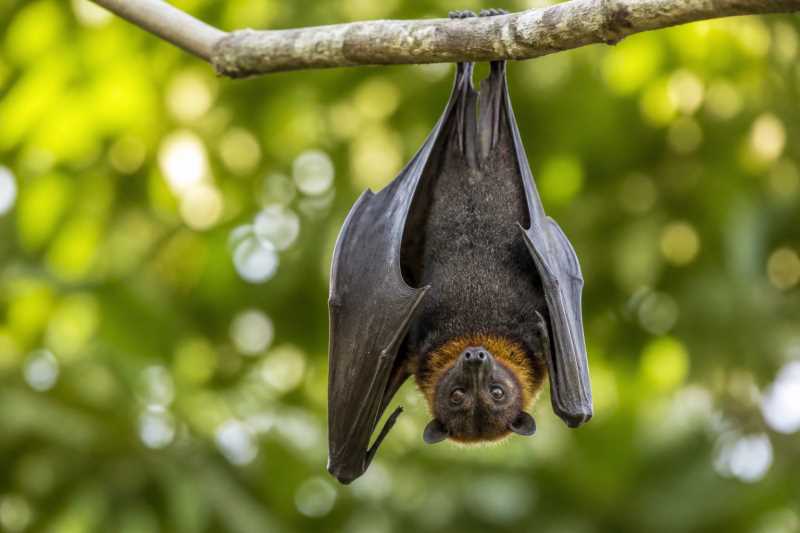
Brooks’s Dayak Fruit Bat is a medium-sized bat with a wingspan ranging from 50 to 70 centimeters. Its body length typically measures between 15 to 20 centimeters, and it weighs approximately 200 to 300 grams. The bat’s fur is primarily brown, with a lighter underbelly, allowing it to blend seamlessly into the forest environment. Its large eyes and pronounced snout are adapted for its frugivorous diet, aiding in the detection of ripe fruits even in low-light conditions. Additionally, the bat has a robust head and a short tail, which are characteristic of fruit bats.
Range and Habitat
This species is primarily found in the dense, humid rainforests of Borneo, Sumatra, and the Malay Peninsula. Preferring lowland tropical forests, Brooks’s Dayak Fruit Bat roosts in large trees with dense foliage, which provide both food sources and protection from predators. Occasionally, they can also be found in secondary forests and agricultural areas where fruit trees are abundant. Their distribution is closely linked to the availability of fruit-bearing trees, which make up the majority of their diet.
Behavior and Diet
Brooks’s Dayak Fruit Bat is primarily nocturnal, emerging at dusk to forage for food. Their diet consists mainly of fruits, such as figs, bananas, and mangoes, which they locate using their keen sense of smell and vision. They play a crucial role in seed dispersal, which helps maintain forest biodiversity. During the day, they roost in groups, often hanging upside down from tree branches. This social behavior is vital for thermoregulation and protection from predators.
Identification Tips (field recognition cues)
Identifying Brooks’s Dayak Fruit Bat in the wild can be challenging due to their nocturnal habits and dense forest habitats. However, there are several key features to look for:
- Size and Shape: Medium-sized bat with a robust body and broad wings.
- Coloration: Brown fur with a lighter underbelly.
- Behavior: Nocturnal, often seen flying at dusk or dawn.
- Habitat: Look for them in lowland tropical forests, particularly around fruit-bearing trees.
- Sound: Listen for their distinctive wing flapping and occasional vocalizations during feeding.
Conservation Status (with threats and protections)
Brooks’s Dayak Fruit Bat is currently classified as Near Threatened on the IUCN Red List. The primary threat to their population is habitat loss due to deforestation for agriculture and urban development. Additionally, hunting for bushmeat and the pet trade poses a significant threat. Conservation efforts are focused on protecting their natural habitats through the establishment of protected areas and promoting sustainable forestry practices. Educating local communities about the ecological importance of fruit bats is also crucial for their conservation.
Frequently Asked Questions
1. What is the diet of Brooks’s Dayak Fruit Bat?
Brooks’s Dayak Fruit Bat primarily feeds on a variety of fruits, including figs, bananas, and mangoes. Their diet is essential for seed dispersal in tropical forests.
2. Where can Brooks’s Dayak Fruit Bat be found?
This species is found in the tropical rainforests of Borneo, Sumatra, and the Malay Peninsula, preferring habitats with abundant fruit-bearing trees.
3. Why is Brooks’s Dayak Fruit Bat important to the ecosystem?
As frugivores, they play a vital role in seed dispersal, which is crucial for maintaining the biodiversity and regeneration of tropical forests.
4. What are the main threats to Brooks’s Dayak Fruit Bat?
The primary threats include habitat destruction due to deforestation, hunting for bushmeat, and the illegal pet trade.
5. How can we help protect Brooks’s Dayak Fruit Bat?
Protection efforts include establishing protected areas, promoting sustainable land use, and raising awareness about the ecological importance of fruit bats.
Related posts