Introduction
The Javan Tailless Fruit Bat (Megaerops kusnotoi) is a fascinating yet lesser-known species of fruit bat endemic to the island of Java in Indonesia. This unique species contributes to the ecological balance by playing a crucial role in seed dispersal and pollination. Despite its importance, the Javan Tailless Fruit Bat remains one of the least studied and understood bats, warranting further research and conservation efforts.
Physical Description
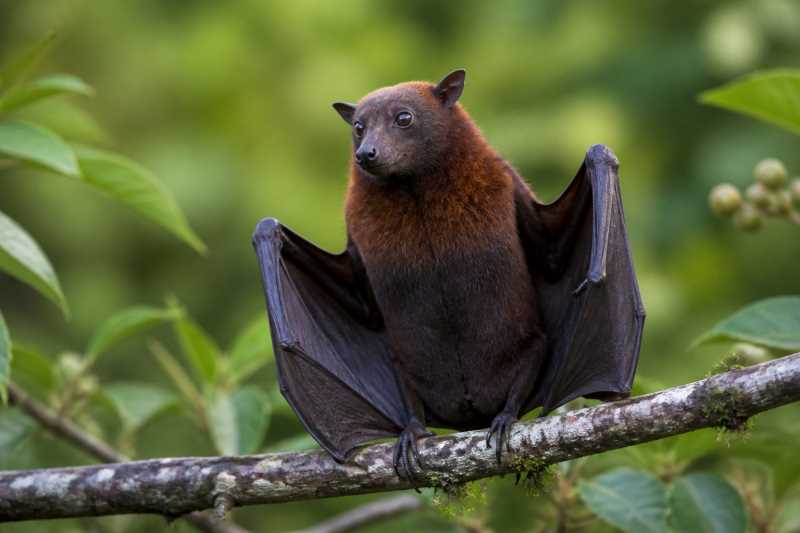
The Javan Tailless Fruit Bat is distinguished by its medium size and tailless body structure, a characteristic feature common among members of the Pteropodidae family. Adults typically have a wingspan ranging from 30 to 40 centimeters, with a body length of approximately 10 to 12 centimeters. The fur of the Javan Tailless Fruit Bat is generally a dull brown or gray, providing excellent camouflage against the bark of the trees they inhabit. They possess large eyes adapted for low-light conditions, which aid in their nocturnal activities.
One of the defining features of Megaerops kusnotoi is its broad, rounded head and short muzzle, which assist in fruit consumption. The bat’s ears are relatively small and rounded, lacking the typical elongated form seen in many other bat species. The absence of a tail combined with its unique dental formula, specifically suited for a diet of soft fruits, truly sets it apart.
Range and Habitat
Endemic to the island of Java, these bats are primarily found in the dense tropical forests that cover the island’s landscape. The Javan Tailless Fruit Bat prefers lowland and montane forests, thriving in both primary and secondary forest ecosystems. These habitats provide ample food sources and roosting sites necessary for their survival.
Java’s diverse environment, ranging from coastal forests to mountainous regions, offers a variety of ecological niches for the Javan Tailless Fruit Bat. However, their range is limited, and they are rarely found beyond the island, emphasizing the importance of conserving Javan habitats to ensure the species’ survival.
Behavior and Diet
The Javan Tailless Fruit Bat is predominantly nocturnal, emerging at dusk to forage for food. Their diet primarily consists of a variety of fruits, including figs, bananas, and mangoes. The bats play a crucial ecological role as seed dispersers, aiding in the regeneration of forests by spreading the seeds of the fruits they consume.
Socially, Megaerops kusnotoi can often be observed in small groups, though they may also roost solitarily. They are known to communicate through a series of ultrasonic vocalizations, which serve both navigational and social purposes. The bats’ foraging range is relatively small, often centered around their roosting sites, ensuring they remain close to familiar resources.
Identification Tips (field recognition cues)
Identifying the Javan Tailless Fruit Bat in the wild requires attention to several key characteristics:
- Size and Wingspan: Look for bats with a medium-sized body and a wingspan of about 30-40 cm.
- Fur Color: Their dull brown or gray fur provides camouflage, making them more challenging to spot against tree bark.
- Head and Muzzle Shape: A broad, rounded head and short muzzle are indicative of the species.
- Ear Shape: Unlike other bats, they have small, rounded ears.
- Roosting Behavior: Often found in small groups or solitary roosts in dense forest areas.
Conservation Status (with threats and protections)
The conservation status of the Javan Tailless Fruit Bat is currently designated as Near Threatened. The primary threats facing this species include habitat destruction due to deforestation, agricultural expansion, and urban development on the island of Java. These activities not only reduce available habitat but also fragment the forests, making it difficult for bats to find food and suitable roosting sites.
Efforts to protect the Javan Tailless Fruit Bat involve habitat conservation and reforestation initiatives. Local governments and environmental organizations are working to establish protected areas and promote sustainable land use. Additionally, research efforts are crucial to better understand the species’ ecology and inform conservation strategies.
Frequently Asked Questions
1. What is the primary diet of the Javan Tailless Fruit Bat?
The Javan Tailless Fruit Bat primarily feeds on a variety of fruits such as figs, bananas, and mangoes. They play an essential role in seed dispersal, aiding in forest regeneration.
2. Where can the Javan Tailless Fruit Bat be found?
This species is endemic to the island of Java in Indonesia, where it inhabits lowland and montane tropical forests, both primary and secondary.
3. Why is the Javan Tailless Fruit Bat important for the ecosystem?
This bat is crucial for ecosystems due to its role in pollination and seed dispersal. These activities help maintain forest health and biodiversity, supporting a variety of other species.
4. What are the main threats to the Javan Tailless Fruit Bat?
The main threats include habitat destruction from deforestation, agricultural development, and urban expansion, which reduce and fragment their natural habitat.
5. How can we help conserve the Javan Tailless Fruit Bat?
Conservation efforts include supporting habitat protection laws, participating in reforestation projects, and raising awareness about the species’ ecological importance.
Related posts