Banana African Climbing Mouse (Dendromus messorius)
Introduction
The Banana African Climbing Mouse, scientifically known as Dendromus messorius, is a fascinating small mammal belonging to the family Nesomyidae. This species is native to various parts of Africa and is renowned for its exceptional climbing abilities and unique dietary preferences. As a nocturnal and arboreal creature, the Banana African Climbing Mouse has adapted remarkably well to its environment, making it a subject of interest for researchers and wildlife enthusiasts alike.
Understanding the biological and ecological aspects of the Banana African Climbing Mouse is essential for appreciating its role in the ecosystem and the challenges it faces. This article delves into various facets of this intriguing species, including its physical characteristics, habitat range, behavior, diet, identification tips, and conservation status.
Physical Description
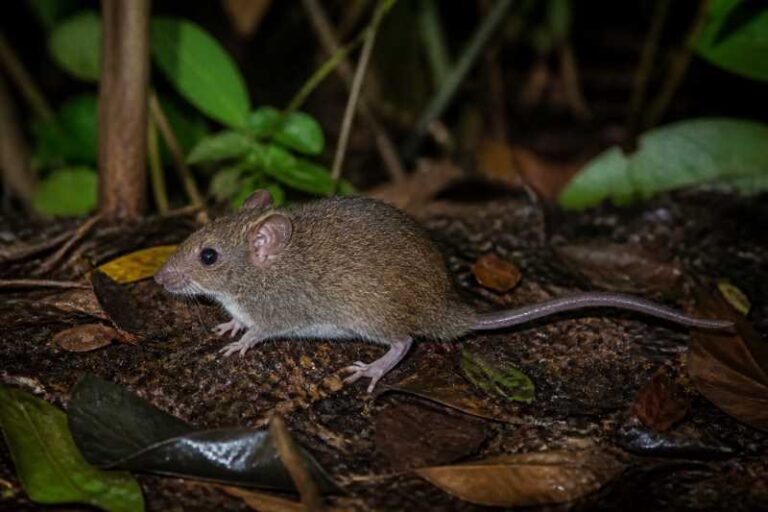
The Banana African Climbing Mouse is a small rodent, typically measuring between 8 to 12 centimeters in body length, with a tail that is often longer than its body, ranging from 10 to 15 centimeters. The tail is prehensile, a characteristic feature that aids in climbing and balance. The mouse’s weight varies from 10 to 20 grams, making it a lightweight climber capable of navigating through dense foliage with ease.
The fur of the Banana African Climbing Mouse is soft and dense, providing insulation and camouflage within its environment. The dorsal side is generally grayish-brown, while the ventral side is lighter, often white or pale gray. Its large, rounded ears and prominent whiskers are adapted for enhanced sensory perception, crucial for nocturnal activities.
Range and Habitat
The Banana African Climbing Mouse is distributed across various regions of sub-Saharan Africa, including countries such as Nigeria, Cameroon, Gabon, and the Democratic Republic of the Congo. Its habitat preference includes tropical and subtropical forests, savannas, and agricultural areas where banana plants are prevalent, hence its common name.
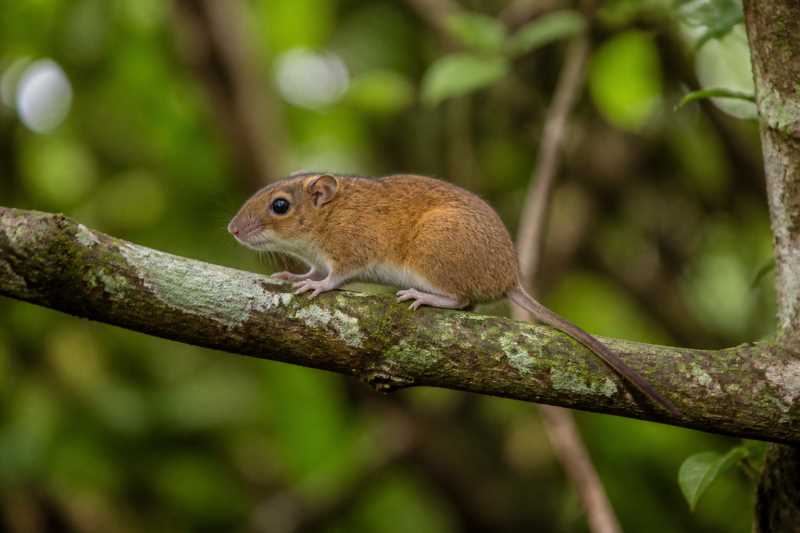
This species is highly arboreal, spending most of its life in trees and shrubs. It shows a particular affinity for banana plantations, where it finds both shelter and a food source. The ability to thrive in both primary and secondary forests, as well as human-altered landscapes, demonstrates its adaptability.
Behavior and Diet
The Banana African Climbing Mouse is primarily nocturnal, becoming active at dusk and retreating to its nest at dawn. Its arboreal lifestyle is supported by its adept climbing abilities, which allow it to forage for food and evade predators.
The diet of the Banana African Climbing Mouse is omnivorous, consisting of fruits, seeds, insects, and occasionally small invertebrates. The species exhibits a particular preference for bananas and other soft fruits, which provide both nourishment and hydration. This flexible diet enables the mouse to exploit various food sources, depending on availability.
Social behavior among Banana African Climbing Mice is relatively solitary, with interactions occurring mainly during the breeding season. Nesting sites are typically constructed in tree hollows or dense vegetation, providing protection from predators and environmental elements.
Identification Tips (field recognition cues)
Identifying the Banana African Climbing Mouse in the field requires attention to several key features:
- Size and Tail: Look for a small mouse with a slender body and a notably long, prehensile tail that aids in climbing.
- Fur Coloration: Note the grayish-brown dorsal fur contrasted with a lighter ventral side.
- Ears and Whiskers: Large, rounded ears and long whiskers are prominent and aid in nocturnal navigation.
- Behavior: Observe its arboreal habits, primarily in banana plantations or areas with dense vegetation.
- Vocalizations: Listen for high-pitched squeaks, especially during nighttime activities.
Conservation Status (with threats and protections)
The International Union for Conservation of Nature (IUCN) currently lists the Banana African Climbing Mouse as a species of Least Concern, indicating that it is not at immediate risk of extinction. However, this status does not imply the absence of threats.
The primary threats to the Banana African Climbing Mouse include habitat destruction due to deforestation and agricultural expansion. As forests are cleared for timber and agriculture, the natural habitat of this species is reduced, leading to population fragmentation.
Conservation efforts for the Banana African Climbing Mouse focus on habitat preservation and sustainable agricultural practices. Protected areas and national parks play a crucial role in safeguarding populations by providing refuges free from human encroachment.
Frequently Asked Questions
1. What is the typical lifespan of a Banana African Climbing Mouse?
The typical lifespan of a Banana African Climbing Mouse in the wild ranges from 1 to 2 years. In captivity, with proper care, they may live slightly longer, up to 3 years. The short lifespan is attributed to predation and environmental factors.
2. How does the Banana African Climbing Mouse contribute to its ecosystem?
The Banana African Climbing Mouse plays a significant role in seed dispersal and pest control. By consuming fruits and seeds, it aids in the propagation of various plant species. Additionally, by preying on insects and small invertebrates, it helps maintain ecological balance.
3. Are Banana African Climbing Mice social animals?
Banana African Climbing Mice are generally solitary, with social interactions limited to the breeding season. They establish individual territories and are known for their solitary nesting habits.
4. What adaptations make the Banana African Climbing Mouse a skilled climber?
The prehensile tail, large ears, and sensitive whiskers are key adaptations that aid in climbing. These features help the mouse maintain balance, navigate through foliage, and detect environmental cues.
5. Can the Banana African Climbing Mouse be kept as a pet?
While it is possible to keep a Banana African Climbing Mouse as a pet, it requires a specialized habitat that mimics its natural environment. Potential pet owners should ensure they have the resources to provide proper care and consider the ethical implications of keeping wild animals in captivity.
Related posts