Salim Ali’s Fruit Bat: An In-Depth Overview
Introduction
Salim Ali’s Fruit Bat, scientifically known as Latidens salimalii, is a unique and lesser-known species of fruit bat endemic to India. Named after the renowned Indian ornithologist Sálim Ali, this bat species is a part of the Pteropodidae family, commonly referred to as flying foxes. Despite its obscure status, Salim Ali’s Fruit Bat plays a crucial role in its ecosystem, primarily through seed dispersal and pollination of various plant species.
Understanding the intricacies of this species is vital for conservation efforts, as it is currently listed as an endangered species. This article delves into the physical characteristics, habitat, behaviors, and conservation status of Salim Ali’s Fruit Bat, providing a comprehensive insight into this intriguing mammal.
Physical Description
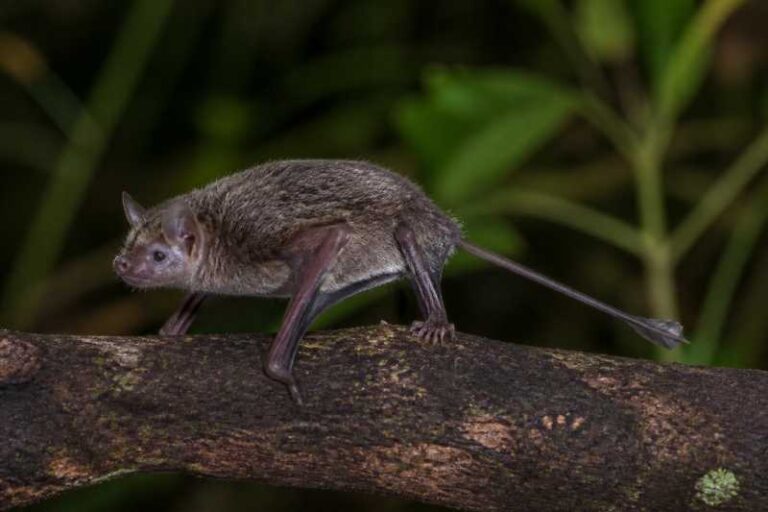
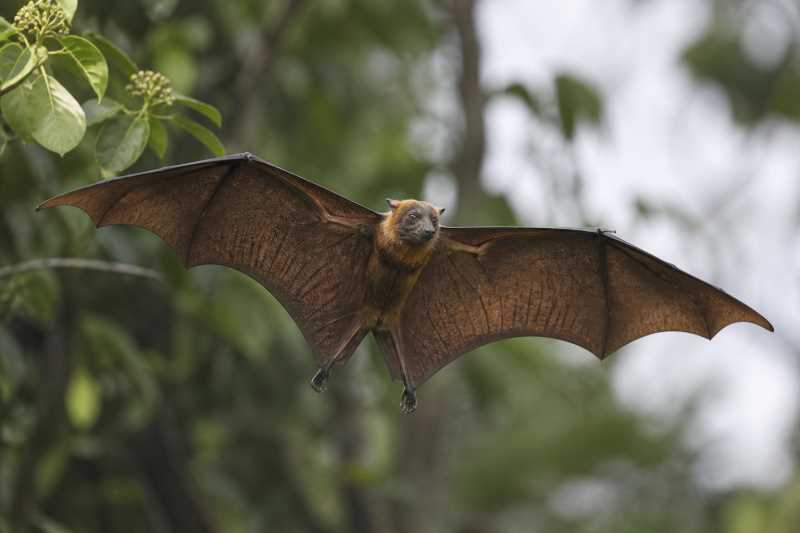
Salim Ali’s Fruit Bat is a medium-sized bat, characterized by its dark brown fur and a lighter underbelly. Its wings are relatively long, aiding in efficient gliding and maneuverability. The bat’s face resembles that of a fox, with a pointed snout and large eyes adapted to nocturnal vision. This species lacks the tail that is common in many other bat species, a trait typical among fruit bats.
The ears of Salim Ali’s Fruit Bat are rounded and relatively small compared to its head size, which is another distinctive feature. On average, the bat has a wingspan of about 60 cm, allowing it to cover considerable distances while foraging for food. Its body length ranges from 15 to 20 cm, and it typically weighs between 150 to 200 grams.
Range and Habitat
Salim Ali’s Fruit Bat is endemic to the Western Ghats of India, a biodiversity hotspot known for its rich and diverse flora and fauna. The bat primarily inhabits tropical and subtropical forests, where it can find ample food sources and roosting sites.
These bats prefer elevations of 500 to 1,500 meters above sea level, where the climate is suitable for their survival. Within these forests, they are often found roosting in large trees and, occasionally, in caves. The Western Ghats provide a perfect mix of forest cover, fruit availability, and climate conditions conducive to the bat’s lifestyle.
Behavior and Diet
Salim Ali’s Fruit Bat is primarily nocturnal, spending daylight hours roosting and venturing out at night to forage. They are social animals, often found in small colonies that can range from a few individuals to several dozen.
The diet of Salim Ali’s Fruit Bat consists mainly of fruits, nectar, and flowers. Their diet plays a vital role in seed dispersal, as seeds are often excreted far from the parent tree, promoting forest regeneration. They are particularly fond of figs, guavas, and bananas, among other fruit varieties found in their habitat.
During foraging, these bats use their keen sense of smell and sight to locate food. They have been observed to travel substantial distances in search of fruit-laden trees, demonstrating their ability to adapt to changing food availability.
Identification Tips
Recognizing Salim Ali’s Fruit Bat in the field requires attention to a few key characteristics:
- Wingspan and Flight Pattern: Look for a medium-sized bat with a wingspan of around 60 cm. Their flight is typically smooth and gliding, making them distinguishable from other bat species.
- Coloration: Note the dark brown fur with a lighter underbelly, a common trait among this species.
- Facial Features: The fox-like face with a pointed snout and large eyes is a distinctive feature. The absence of a tail can also help in identification.
- Roosting Habits: They are often found roosting in large trees or caves in small colonies.
Conservation Status
Salim Ali’s Fruit Bat is currently classified as endangered on the IUCN Red List. The primary threats to their survival include habitat destruction due to deforestation, agricultural expansion, and urbanization. These activities lead to the fragmentation of their natural habitat, reducing the availability of food and roosting sites.
Efforts to conserve Salim Ali’s Fruit Bat focus on habitat protection and restoration. Conservation organizations are working to preserve the Western Ghats’ forests and promote sustainable land-use practices. Additionally, raising awareness about the bat’s ecological role is crucial for garnering public support for conservation measures.
Frequently Asked Questions
1. What is the primary diet of Salim Ali’s Fruit Bat?
Salim Ali’s Fruit Bat primarily feeds on fruits, nectar, and flowers. They are particularly fond of figs, guavas, and bananas, which are abundant in their habitat.
2. Why is Salim Ali’s Fruit Bat endangered?
The bat is endangered mainly due to habitat destruction caused by deforestation, agricultural expansion, and urbanization in the Western Ghats, leading to a loss of food sources and roosting sites.
3. How can Salim Ali’s Fruit Bat be identified in the wild?
Key identification cues include a medium-sized body with a 60 cm wingspan, dark brown fur with a lighter underbelly, a fox-like face, and roosting in small colonies in large trees or caves.
4. What measures are being taken to conserve Salim Ali’s Fruit Bat?
Conservation efforts focus on protecting and restoring their forest habitats in the Western Ghats, promoting sustainable land use, and raising awareness of their ecological importance.
5. How does Salim Ali’s Fruit Bat contribute to its ecosystem?
The bat plays a crucial role in seed dispersal and pollination, aiding in forest regeneration and maintaining biodiversity in the Western Ghats.
Related posts