Sulawesi Black-capped Fruit Bat (Chironax tumulus): An In-depth Exploration
Introduction
The Sulawesi Black-capped Fruit Bat, scientifically known as Chironax tumulus, is a fascinating yet lesser-known species of fruit bat endemic to Sulawesi, Indonesia. These bats belong to the family Pteropodidae, which is renowned for its diverse and ecologically significant members. Despite their importance in seed dispersion and pollination, many aspects of their life remain a mystery to both scientists and nature enthusiasts. This article aims to shed light on the various elements of the Sulawesi Black-capped Fruit Bat, from their physical characteristics to their behavior, habitat, and conservation status.
Physical Description
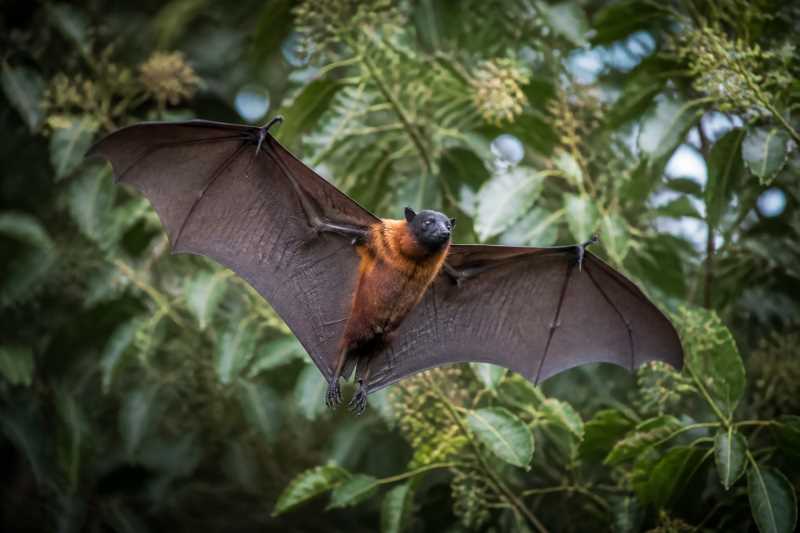
The Sulawesi Black-capped Fruit Bat is a small to medium-sized bat, with a weight ranging from 45 to 75 grams. They have a wingspan of approximately 40 to 55 centimeters, which facilitates their ability to maneuver through dense forest canopies. As their name suggests, these bats are characterized by their distinctive black cap, which contrasts sharply with their otherwise brownish-grey fur. Their eyes are large and adapted for low-light conditions, aiding in their nocturnal lifestyle. The ears are relatively small but are keenly adapted to detect ambient sounds in their environment.
A notable feature of the Chironax tumulus is its robust and well-developed hind limbs, which aid in hanging upside down from tree branches while roosting. Their wings are a semi-translucent membrane, providing them with the flexibility and strength needed for sustained flight.
Range and Habitat
The Sulawesi Black-capped Fruit Bat is endemic to the Indonesian island of Sulawesi. This island is known for its unique biodiversity, largely due to its isolated location and distinct climatic zones. These bats predominantly inhabit the lowland tropical rainforests, which provide a rich abundance of fruiting trees crucial to their diet.
In addition to primary forests, they are also found in secondary forests and occasionally venture into agricultural areas, especially where fruit crops are grown. However, their reliance on forested habitats makes them particularly susceptible to deforestation and habitat fragmentation, two significant threats to their survival.
Behavior and Diet
These fruit bats are primarily nocturnal, emerging from their roosts at dusk to forage for food. Their diet mainly consists of a variety of fruits, nectar, and flowers, making them important pollinators and seed dispersers within their ecosystem. They exhibit a preference for figs, mangoes, and bananas, but are not averse to other available fruit resources.
The social structure of the Sulawesi Black-capped Fruit Bat is not well-documented, but they are believed to roost in small groups. Interaction among individuals is likely centered around feeding sites and roosting areas.
Identification Tips
Field identification of the Sulawesi Black-capped Fruit Bat can be challenging due to its nocturnal habits. However, certain cues can aid in their recognition:
- Distinctive Black Cap: Look for the unique black coloration on the top of their head.
- Size and Wingspan: Their medium size and a wingspan of 40-55 cm are indicative of this species.
- Roosting Behavior: They often hang upside down in clusters during the day, tucked within dense foliage.
- Flight Pattern: Observe their agile and rapid flight, especially around fruiting trees during dusk and dawn.
Conservation Status
The International Union for Conservation of Nature (IUCN) currently lists the Sulawesi Black-capped Fruit Bat as Near Threatened. The primary threats to their survival include deforestation, habitat fragmentation, and the expansion of agricultural land. These activities have led to significant habitat loss, posing a severe risk to their populations.
Conservation efforts are essential to protect the remaining forested areas of Sulawesi. Initiatives include reforestation projects, legal protection of habitats, and the establishment of wildlife reserves. Public awareness campaigns are also crucial in promoting the ecological importance of bats and the vital roles they play in ecosystems.
Frequently Asked Questions
- What is the primary diet of the Sulawesi Black-capped Fruit Bat?
The Sulawesi Black-capped Fruit Bat primarily feeds on fruits, nectar, and flowers. Their diet includes figs, mangoes, and bananas, which are abundant in their tropical habitat.
- Where can the Sulawesi Black-capped Fruit Bat be found?
This species is endemic to the island of Sulawesi in Indonesia. They inhabit lowland tropical rainforests and are sometimes found in secondary forests and agricultural areas.
- Why is the Sulawesi Black-capped Fruit Bat important to its ecosystem?
These bats play a crucial role in seed dispersal and pollination, helping maintain the health and diversity of tropical forests. Their ecological services support plant regeneration and biodiversity.
- What are the main threats to the Sulawesi Black-capped Fruit Bat?
The primary threats include deforestation, habitat fragmentation, and the expansion of agriculture, leading to significant habitat loss.
- How can we help conserve the Sulawesi Black-capped Fruit Bat?
Conservation efforts include protecting their habitats through legal measures, reforestation, and public awareness campaigns highlighting the importance of bats to ecosystems.
Related posts