Introduction
The Aceh Rat, scientifically known as Rattus blangorum, is a lesser-known species of rodent that belongs to the Muridae family. This species is native to Southeast Asia, specifically the Aceh region of Indonesia. The Aceh Rat is a fascinating subject for study due to its unique adaptations and ecological significance. Despite its relatively obscure status compared to other rodent species, it plays a crucial role in its ecosystem. Understanding the Aceh Rat’s characteristics and habits is vital for conservation efforts and ecological studies in the region.
Physical Description
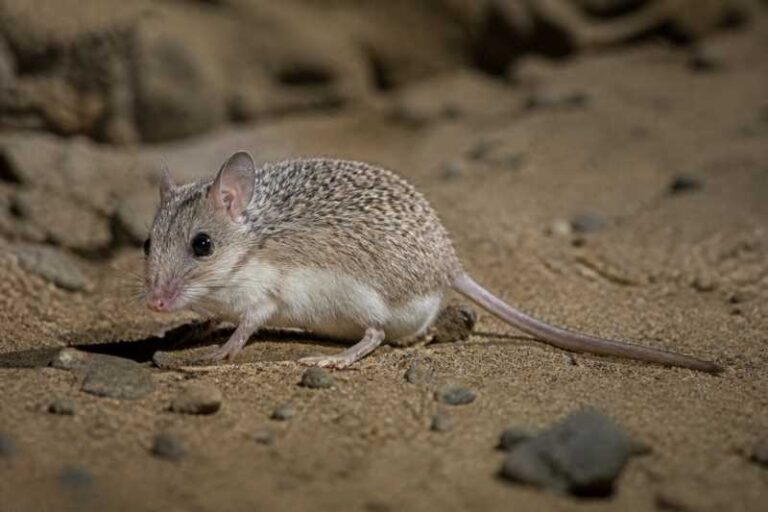
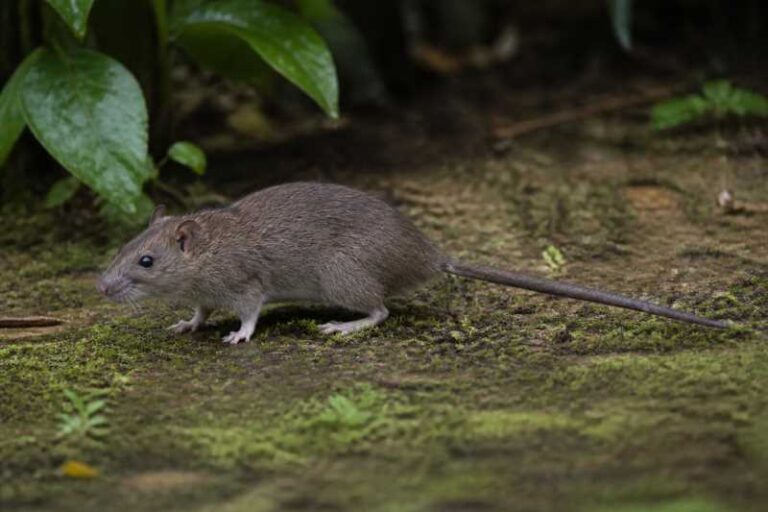
The Aceh Rat is a medium-sized rodent with a body length ranging from 16 to 20 centimeters, excluding the tail, which adds another 15 to 18 centimeters. It has a sleek, slender body adapted for agile movement through its forest habitat. The fur is typically a mottled brown with subtle hues of gray, providing excellent camouflage against the forest floor.
The head of the Aceh Rat is small with a pointed snout and large, dark eyes that are well-adapted for nocturnal activity. Their ears are rounded and relatively large, aiding in acute hearing. The tail is scaly and sparsely furred, assisting in balance and maneuverability in its arboreal and terrestrial pursuits. Its limbs are moderately long, with sharp, curved claws designed for digging and climbing.
Range and Habitat
The Aceh Rat is endemic to the tropical rainforests of Aceh, a province located on the northern tip of Sumatra in Indonesia. This region is characterized by high biodiversity and dense forestation, providing an ideal habitat for this species. The rat primarily inhabits lowland and montane rainforests but can occasionally be found in secondary forests and plantations.
Their habitat is often near water sources, such as rivers and streams, which provide hydration and support a rich diversity of food resources. The Aceh Rat is both arboreal and terrestrial, showing versatility in habitat use. This adaptability helps them exploit a range of ecological niches in their environment.
Behavior and Diet
The Aceh Rat is predominantly nocturnal, which means it is most active during the night when it forages for food. Its diet is omnivorous, consisting of fruits, seeds, insects, and small invertebrates. The ability to consume a varied diet allows the Aceh Rat to thrive in its environment, even when food resources are scarce.
In terms of behavior, the Aceh Rat is solitary, with individuals maintaining territories that they mark with scent glands. Interaction between individuals is usually limited to the breeding season, during which time they may exhibit more social behaviors. Breeding occurs year-round, with females producing several litters per year, each consisting of 3-6 young.
Identification Tips (Field Recognition Cues)
Identifying the Aceh Rat in its natural habitat can be challenging due to its nocturnal and elusive nature. However, there are several cues to look for:
- Fur and body size: Note the mottled brown fur with grayish tones and a medium body size.
- Tail characteristics: Look for a long, scaly tail that is almost as long as the body, aiding in identification.
- Behavioral patterns: Observe nocturnal activity and solitary behavior.
- Habitat preference: Focus on areas near water sources within the rainforest.
Conservation Status (with Threats and Protections)
The Aceh Rat is currently listed as a species of Least Concern by the International Union for Conservation of Nature (IUCN). However, like many species in Southeast Asia, it faces threats from habitat destruction due to logging, agricultural expansion, and urban development.
Conservation efforts for the Aceh Rat are focused on habitat preservation. Protected areas within Aceh, such as national parks and wildlife reserves, play a crucial role in safeguarding their natural habitat. Conservationists emphasize the importance of sustainable land-use practices and the enforcement of environmental regulations to mitigate habitat loss.
Frequently Asked Questions
1. What is the primary diet of the Aceh Rat? The Aceh Rat is omnivorous, feeding on a variety of foods including fruits, seeds, insects, and small invertebrates.
2. Where can the Aceh Rat be found? The Aceh Rat is found in the tropical rainforests of Aceh, Indonesia, often near water sources within lowland and montane areas.
3. How does the Aceh Rat adapt to its environment? This species adapts through its nocturnal behavior, omnivorous diet, and arboreal-terrestrial lifestyle, enabling it to exploit diverse ecological niches.
4. What are the main threats to the Aceh Rat? The main threats include habitat destruction from logging, agriculture, and urbanization, impacting their natural living spaces.
5. How can we help conserve the Aceh Rat? Supporting habitat preservation efforts, sustainable land-use practices, and adhering to environmental regulations can aid in the conservation of the Aceh Rat.
Related posts