Introduction
The Bioko Squirrel Galago, scientifically known as Sciurocheirus alleni, is a fascinating primate species that captivates wildlife enthusiasts and researchers alike. Known for their endearing appearance and nocturnal habits, these small primates are a significant part of the biodiversity on Bioko Island, Equatorial Guinea. As an integral member of the galago family, the Bioko Squirrel Galago plays a vital role in the ecosystem, contributing to seed dispersal and maintaining the balance of nature. This article delves into the intricacies of this remarkable species, from its physical characteristics to its conservation status, providing a comprehensive overview for anyone interested in learning more about this unique mammal.
Physical Description
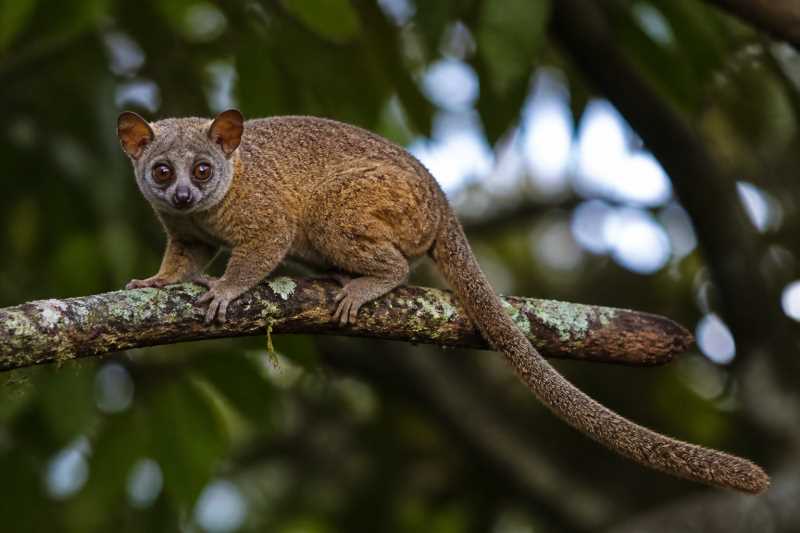
The Bioko Squirrel Galago is a small, nocturnal primate characterized by its distinctive features and agile movements. On average, these galagos measure about 23 to 30 centimeters in body length, excluding their tail, which can add another 20 to 30 centimeters. Weighing between 200 to 300 grams, they are lightweight and adapted for life in the trees.
One of the most striking features of the Bioko Squirrel Galago is its large, forward-facing eyes, which are perfectly adapted for night vision. These eyes are encircled by rings of dark fur that enhance their characteristic wide-eyed expression. Their ears are large and mobile, allowing them to detect the faintest sounds in their environment.
Their fur is generally soft and dense, displaying a coloration that ranges from grayish-brown to reddish-brown, helping them blend seamlessly with the branches and leaves of their arboreal habitat. The limbs of the Bioko Squirrel Galago are muscular, with long fingers and toes that provide a strong grip, facilitating their agile leaps from tree to tree.
Range and Habitat
The Bioko Squirrel Galago is endemic to Bioko Island, located off the coast of Central Africa. This island harbors a rich tapestry of biodiversity, and the galago is an essential component of this ecological network. They inhabit the tropical and subtropical rainforests that cover much of the island, thriving in dense forest canopies.
These environments offer an abundance of food resources and shelter, crucial for their survival. The galagos prefer areas with a high density of trees and a closed canopy, which provide them with ample opportunities to forage and escape predators. Their habitat is characterized by a warm, humid climate, with consistent rainfall that supports a lush and diverse flora.
Behavior and Diet
The Bioko Squirrel Galago is primarily nocturnal, spending the daylight hours resting in tree hollows or dense foliage to avoid predators. At night, they become active, exhibiting remarkable agility as they move through the treetops in search of food.
Their diet is primarily omnivorous, consisting of a variety of fruits, flowers, insects, and small vertebrates. The galagos play a critical role in their ecosystem by participating in seed dispersal, as they consume fruits and subsequently excrete seeds away from the parent plant. This behavior supports plant regeneration and biodiversity in their habitat.
Socially, Bioko Squirrel Galagos are relatively solitary, although they maintain loose social structures. They communicate with each other using a range of vocalizations, including calls that can be heard over long distances. These calls serve various purposes, such as marking territory, signaling alarm, or coordinating with potential mates.
Identification Tips (Field Recognition Cues)
Identifying the Bioko Squirrel Galago in the field can be challenging due to their nocturnal habits and elusive nature. However, certain cues can aid in their identification:
- Visual Characteristics: Look for their large, reflective eyes that shine brightly when illuminated by torchlight. The reddish-brown to grayish-brown fur coloration helps them blend into the forest canopy.
- Vocalizations: Listen for their distinctive calls, which include a series of clicks and whistles that can be heard at night. These sounds are often a reliable indicator of their presence.
- Behavior: Observe their swift, agile movements through the treetops. They are known for making remarkable leaps between branches, often covering significant distances in a single bound.
Conservation Status (With Threats and Protections)
The Bioko Squirrel Galago is currently classified as "Near Threatened" on the IUCN Red List of Threatened Species. The primary threats to their survival include habitat loss due to deforestation and human encroachment, as well as hunting for bushmeat.
Bioko Island’s rainforests are under pressure from logging activities and agricultural expansion, which reduce the available habitat for these primates. Additionally, hunting poses a significant threat, as the galagos are sometimes captured for food or trade.
Conservation efforts are underway to protect the unique biodiversity of Bioko Island, including the Bioko Squirrel Galago. These efforts include the establishment of protected areas and initiatives to promote sustainable land use practices. Educating local communities about the ecological importance of these primates and enforcing anti-poaching laws are also critical components of their conservation strategy.
Frequently Asked Questions
What is the lifespan of a Bioko Squirrel Galago?
Bioko Squirrel Galagos generally live for about 10 to 12 years in the wild. Their lifespan can vary based on environmental conditions, availability of food, and predation pressures.
Are Bioko Squirrel Galagos social animals?
While they are primarily solitary, Bioko Squirrel Galagos do engage in social interactions, especially during the breeding season. They maintain loose social structures and communicate with each other through vocalizations.
How do Bioko Squirrel Galagos contribute to their ecosystem?
These primates play a crucial role in seed dispersal, which aids in plant regeneration and maintains the biodiversity of their forest habitat. Their omnivorous diet helps control insect populations as well.
What are the main threats to the Bioko Squirrel Galago?
The main threats include habitat loss due to deforestation, human encroachment, and hunting for bushmeat. Conservation efforts are essential to mitigate these threats and preserve their populations.
How can I help in the conservation of Bioko Squirrel Galagos?
Supporting conservation organizations working on Bioko Island, advocating for sustainable land use practices, and raising awareness about the importance of protecting these primates can contribute significantly to their conservation.
Related posts