Introduction
The Mentawai Long-tailed Giant Rat, scientifically known as Leopoldamys siporanus, is a fascinating mammalian species endemic to the Mentawai Islands of Indonesia. These islands, located off the western coast of Sumatra, provide a unique habitat for this intriguing rodent. This species is part of the family Muridae, which encompasses a wide range of rodents including mice, rats, and gerbils. Despite its common name and significant size, the Mentawai Long-tailed Giant Rat remains relatively obscure to both the scientific community and the general public. This article aims to shed light on this remarkable species, discussing its physical attributes, habitat, behavior, and the conservation efforts aimed at preserving its population.
Physical Description
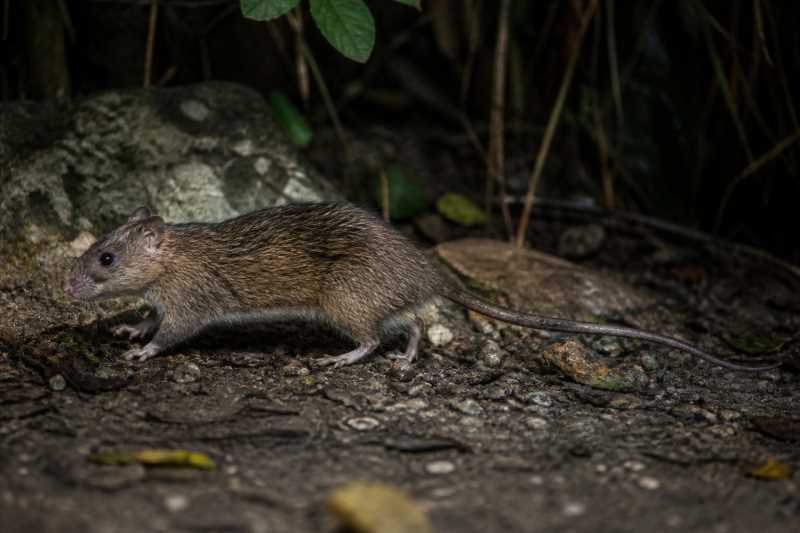
The Mentawai Long-tailed Giant Rat is notable for its large size compared to other rat species. An adult typically measures between 40 to 50 centimeters in length, not including the tail, which can add an additional 25 to 30 centimeters. One of the most striking features of this species is its long, slender tail, which is often longer than its body and serves as a formidable balancing tool when navigating the dense forests of the Mentawai Islands.
The fur of Leopoldamys siporanus is usually a mix of gray and brown hues, providing excellent camouflage among the forest floor’s leaf litter and branches. The ventral side is lighter, often a pale gray or white, which may play a role in thermoregulation. This rat’s large, rounded ears and sharp, beady eyes suggest its reliance on acute hearing and sight, important traits for nocturnal activity.
Range and Habitat
The Mentawai Long-tailed Giant Rat is endemic to the Mentawai Islands, specifically found on the islands of Siberut, Sipora, and the southern islands of the chain. These islands are characterized by tropical rainforests, which are vital to the species’ survival.
The rat’s preferred habitat includes lowland and montane forests, where it can exploit the rich biodiversity and complex forest structure. The dense canopy provides shelter from predators and a diverse array of food resources. The Mentawai Islands’ unique ecosystem, with its high levels of endemism, supports the survival of this species, although it also increases the risks associated with habitat disturbance.
Behavior and Diet
Leopoldamys siporanus is predominantly nocturnal, spending most of its active hours foraging under the cover of darkness. Its diet is omnivorous, comprising fruits, seeds, small invertebrates, and occasionally carrion. The diversity of its diet reflects the rich biodiversity of its rainforest habitat.
Socially, these rats are thought to be solitary or live in small family groups. They communicate through vocalizations and scent markings, which are crucial for territory establishment and mating. The rats are agile climbers, often seen moving adeptly through the trees in search of food.
Identification Tips (Field Recognition Cues)
Identifying the Mentawai Long-tailed Giant Rat in the field requires attention to several key characteristics:
- Size and Tail Length: Look for a large rat with a tail longer than its body.
- Coloration: Grayish-brown fur with lighter underparts.
- Habitat: Primarily found in the dense, tropical forests of the Mentawai Islands.
- Nocturnal Activity: More likely to be spotted during nighttime excursions.
- Agility in Trees: Often seen climbing or moving swiftly through the forest canopy.
Conservation Status (with Threats and Protections)
The Mentawai Long-tailed Giant Rat is currently listed as Data Deficient by the International Union for Conservation of Nature (IUCN). This classification highlights the need for more comprehensive studies to determine its population size and trends.
The primary threats to this species include habitat loss due to logging, agricultural expansion, and human settlement. These activities are particularly concerning given the limited range of the species, confined to the Mentawai Islands.
Conservation efforts are focused on habitat preservation, including establishing protected areas and promoting sustainable land-use practices. Local conservation programs also aim to raise awareness about the species and involve local communities in preservation efforts.
Frequently Asked Questions
1. What is the Mentawai Long-tailed Giant Rat? The Mentawai Long-tailed Giant Rat, Leopoldamys siporanus, is a large rodent species found only on the Mentawai Islands of Indonesia. It’s notable for its long tail and large size.
2. Where can the Mentawai Long-tailed Giant Rat be found? This species is endemic to the Mentawai Islands, specifically inhabiting the tropical rainforests of Siberut, Sipora, and other southern islands in the chain.
3. Is the Mentawai Long-tailed Giant Rat endangered? Currently, the Mentawai Long-tailed Giant Rat is classified as Data Deficient by the IUCN, indicating a need for more research to determine its conservation status. Its primary threats are habitat loss and environmental changes.
4. What does the Mentawai Long-tailed Giant Rat eat? This rat is omnivorous, feeding on a variety of fruits, seeds, small invertebrates, and carrion found within its rainforest habitat.
5. How can I identify the Mentawai Long-tailed Giant Rat? Identify this species by its large size, long tail, gray-brown fur, and its presence in the dense forests of the Mentawai Islands. Its nocturnal and arboreal nature are also key identification cues.
Related posts