Introduction
The Anhui Short-tailed Shrew, scientifically known as Parablarinella latimaxillata, is a small mammal species belonging to the family Soricidae. These elusive creatures are native to parts of China, particularly the Anhui province, where they inhabit a range of ecosystems. Despite their small size, shrews play a vital role in their ecosystems as insectivores and are an essential part of the food web. This comprehensive article will explore various facets of the Anhui Short-tailed Shrew, including its physical characteristics, habitat, behavior, and conservation status.
Physical Description
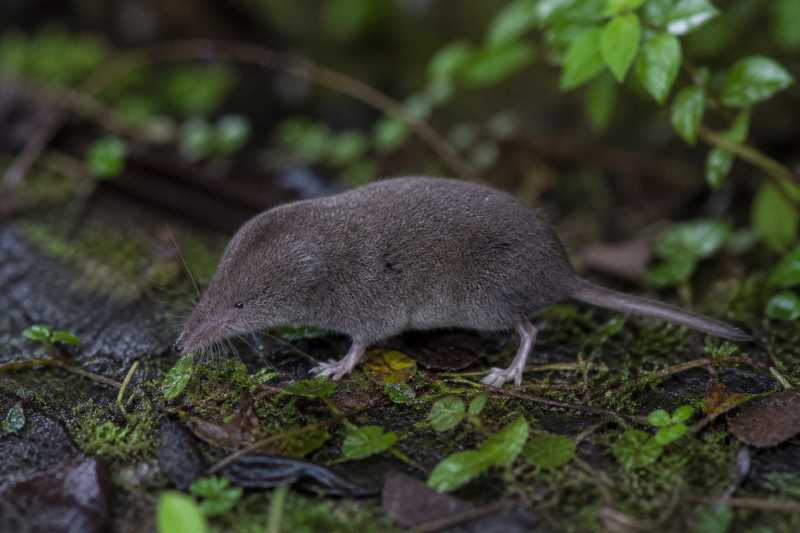
The Anhui Short-tailed Shrew is characterized by its diminutive size and distinctive physical features. Typically measuring between 8 to 10 centimeters in length, this shrew’s body is covered with dense, soft fur that provides insulation against cold temperatures. The fur is generally dark gray or brown, allowing the shrew to blend seamlessly with its surroundings.
One of the most defining features of the Anhui Short-tailed Shrew is its short, stout tail. Unlike many other shrew species that possess long tails, the Anhui Short-tailed Shrew’s tail is significantly shorter, measuring only about 1 to 2 centimeters. This adaptation may aid in maintaining balance and maneuverability in its dense, terrestrial habitat.
Additionally, the shrew exhibits a pointed snout and sharp, tiny teeth that are well-adapted for its insectivorous diet. Its small eyes and ears are often concealed beneath its fur, providing protection while foraging in underbrush and leaf litter.
Range and Habitat
The Anhui Short-tailed Shrew is endemic to China, with its primary range concentrated in the Anhui province. It is known to inhabit various terrestrial ecosystems, including forests, grasslands, and agricultural fields. These shrews are particularly adept at navigating dense underbrush and prefer habitats with ample ground cover to provide protection from predators.
Their preference for moist environments means they are often found near water bodies such as streams and rivers. These habitats not only provide a steady supply of food but also maintain the humidity levels necessary for the shrews’ survival. The presence of rich leaf litter and decaying plant matter supports a diverse community of invertebrates, which constitute the bulk of the shrew’s diet.
Behavior and Diet
Anhui Short-tailed Shrews are primarily solitary creatures, with individuals establishing and defending their own territories. They are known for their high metabolism, which necessitates frequent feeding. As insectivores, their diet consists mainly of insects, spiders, worms, and other small invertebrates found in their habitat.
These shrews are primarily nocturnal, with peak activity occurring during the night when they forage for food. Their acute sense of smell and touch aids them in locating prey even in complete darkness. Due to their small size, Anhui Short-tailed Shrews must consume a significant amount of food relative to their body weight each day to sustain their energy levels.
Identification Tips (field recognition cues)
Identifying the Anhui Short-tailed Shrew in the field can be challenging due to its elusive nature and similarity to other shrew species. However, several key characteristics can aid in their identification:
- Tail Length: The short, stout tail is a distinguishing feature, setting it apart from other shrews with longer tails.
- Fur Color: Look for dark gray or brown fur that blends with the forest floor.
- Size: Their small size (8 to 10 cm in length) can help differentiate them from larger rodents.
- Behavior: Observing nocturnal activity and solitary behavior can provide clues to its identity.
Conservation Status (with threats and protections)
The Anhui Short-tailed Shrew is currently classified as "Data Deficient" by the International Union for Conservation of Nature (IUCN). This classification indicates that there is insufficient data available to make a direct assessment of its population status. However, certain threats have been identified that may impact its survival.
Threats
- Habitat Loss: Urbanization and agricultural expansion in the Anhui province have led to significant habitat loss, reducing the available natural habitat for these shrews.
- Pollution: Pesticide use in agriculture can negatively affect the shrews by contaminating their food sources.
- Climate Change: Changes in temperature and precipitation patterns can disrupt the delicate balance of their ecosystems.
Protections
Efforts to protect the Anhui Short-tailed Shrew include habitat preservation initiatives and environmental regulations to limit pollution and development in sensitive areas. Further research is needed to better understand their population dynamics and inform conservation strategies.
Frequently Asked Questions
What do Anhui Short-tailed Shrews eat?
Anhui Short-tailed Shrews primarily feed on insects, spiders, worms, and other small invertebrates. Their insectivorous diet is crucial for their survival due to their high metabolic rate.
Where can Anhui Short-tailed Shrews be found?
These shrews are native to China, particularly the Anhui province. They inhabit forests, grasslands, and areas near water bodies with dense ground cover.
How can you identify an Anhui Short-tailed Shrew?
Identifying an Anhui Short-tailed Shrew involves looking for specific features like its short tail, dark gray or brown fur, and small size. Observing nocturnal behavior can also be a clue.
Are Anhui Short-tailed Shrews endangered?
The Anhui Short-tailed Shrew is classified as "Data Deficient" by the IUCN, meaning there isn’t enough information to determine its conservation status. However, habitat loss and pollution are recognized threats.
What are the main threats to Anhui Short-tailed Shrews?
Main threats include habitat loss due to urbanization and agriculture, pollution from pesticides, and climate change impacting their ecosystems.
Related posts