Introduction
The Chinese Shrew Mole, scientifically known as Uropsilus soricipes, is a fascinating mammal species that captures the interest of biologists and wildlife enthusiasts alike. Endemic to China, this intriguing creature belongs to the family Talpidae and is a member of the lesser-known group of Asiatic shrew moles. Despite its small size, the Chinese Shrew Mole plays a significant role in its ecosystem as an insectivore, contributing to the control of insect populations. This article delves into the various aspects of Uropsilus soricipes, from its physical characteristics to its behavior and conservation status.
Physical Description
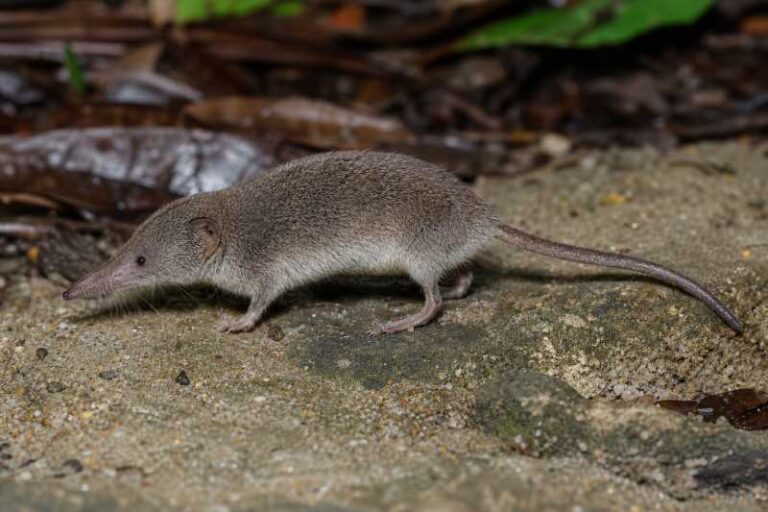
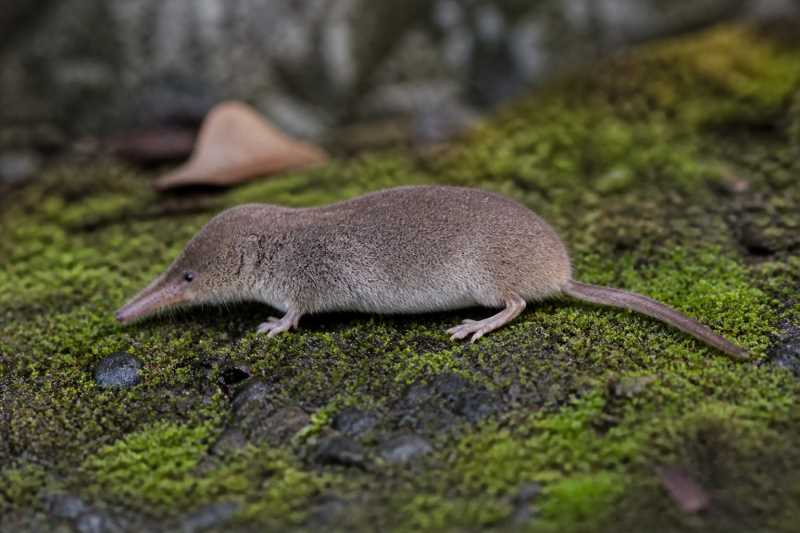
The Chinese Shrew Mole is a small mammal characterized by its unique blend of traits from both shrews and moles. Its body length ranges from 9 to 15 centimeters, with a weight of approximately 12 to 20 grams, making it one of the smallest members of the Talpidae family. The fur of the Chinese Shrew Mole is short, dense, and velvety, providing excellent insulation and allowing the animal to navigate underground environments efficiently. The coloration of its coat is typically a dark brown or black, aiding in camouflage within its natural habitat.
The species is equipped with a long, pointed snout, which is highly sensitive and functions as a primary tool for detecting prey. Its eyes are small and covered by skin, reflecting its adaptation to a subterranean lifestyle where vision is less critical. The Chinese Shrew Mole possesses strong forelimbs with sharp claws, designed for digging and burrowing through the soil. Unlike typical moles, its hind limbs are relatively longer, suggesting some degree of adaptation for surface movement.
Range and Habitat
Uropsilus soricipes is exclusively found in the mountainous regions of central and southwestern China. Its range extends across provinces such as Sichuan, Yunnan, and Guizhou, where it inhabits elevations ranging from 1,500 to 4,000 meters above sea level. The species thrives in temperate forests, often favoring areas with dense undergrowth and moist soil, which are ideal conditions for burrowing and foraging.
The Chinese Shrew Mole is a versatile burrower, constructing intricate tunnel systems that serve as both shelter and hunting grounds. These subterranean networks allow the mole to avoid predators and harsh weather conditions while facilitating access to its prey.
Behavior and Diet
The Chinese Shrew Mole is primarily nocturnal, engaging in most of its activities under the cover of darkness. It is solitary by nature, with individuals maintaining and defending their own territories. Communication between these creatures is limited, relying on scent markings and occasional vocalizations to convey information.
As an insectivore, the diet of Uropsilus soricipes consists predominantly of insects and other small invertebrates. Earthworms, beetles, and larvae are among its preferred food sources. The mole’s keen sense of smell and touch aid in locating prey underground, where it uses its sharp claws and snout to dig through soil and leaf litter.
Identification Tips
Identifying the Chinese Shrew Mole in the field requires attention to specific morphological and behavioral cues. Key recognition features include:
- Size and Shape: Look for a small, streamlined body measuring 9 to 15 centimeters in length.
- Coloration: A dark brown or black velvety coat is characteristic.
- Snout: Notice the elongated, pointed snout, which is a distinctive trait.
- Eyes and Ears: Both are small and often not visible, as they are adapted to a subterranean life.
Observing behavior such as burrowing activity or nocturnal movement can also aid in identification. However, due to its elusive nature, direct sightings are rare, and signs of its presence, such as soil disturbances, may be more commonly observed.
Conservation Status
The conservation status of the Chinese Shrew Mole is currently listed as "Least Concern" by the International Union for Conservation of Nature (IUCN). However, the species faces several threats that could impact its populations in the future. Habitat loss due to deforestation and agricultural expansion poses a significant risk to its natural habitat. Additionally, climate change may alter the environmental conditions necessary for its survival.
Protection measures for Uropsilus soricipes include habitat preservation efforts and the establishment of protected areas within its range. Continued research and monitoring are essential to ensure that the species remains secure in its natural environment.
Frequently Asked Questions
1. What is the primary habitat of the Chinese Shrew Mole? The Chinese Shrew Mole primarily inhabits mountainous regions in central and southwestern China, favoring temperate forests with moist soil and dense undergrowth.
2. How does the Chinese Shrew Mole locate its prey? The mole utilizes its highly sensitive snout and keen sense of smell to detect insects and other small invertebrates underground.
3. Is the Chinese Shrew Mole endangered? Currently, the Chinese Shrew Mole is not considered endangered and is listed as "Least Concern" by the IUCN, though habitat loss remains a potential threat.
4. What are the main threats to the Chinese Shrew Mole’s survival? Habitat loss due to deforestation and agricultural activities, along with climate change, are the main threats to the Chinese Shrew Mole.
5. Can the Chinese Shrew Mole be found outside of China? No, the Chinese Shrew Mole is endemic to China and is not found in any other country.
Related posts