Introduction
The Angolan Multimammate Mouse, scientifically known as Mastomys angolensis, is a fascinating rodent species belonging to the family Muridae. This species is part of the greater Mastomys genus, which comprises various multimammate mice known for their unique reproductive characteristics. The Angolan Multimammate Mouse is primarily found in the southern regions of Africa, where it plays a crucial role in the local ecosystem. Its adaptability to different environments and its omnivorous diet make it a resilient species, capable of thriving in diverse habitats.
This article will delve into the various aspects of the Angolan Multimammate Mouse, including its physical description, range and habitat, behavior and diet, and identification tips. Furthermore, we’ll explore its conservation status, highlighting potential threats and protections. For enthusiasts and researchers alike, understanding these elements is essential for appreciating the ecological importance of this species.
Physical Description
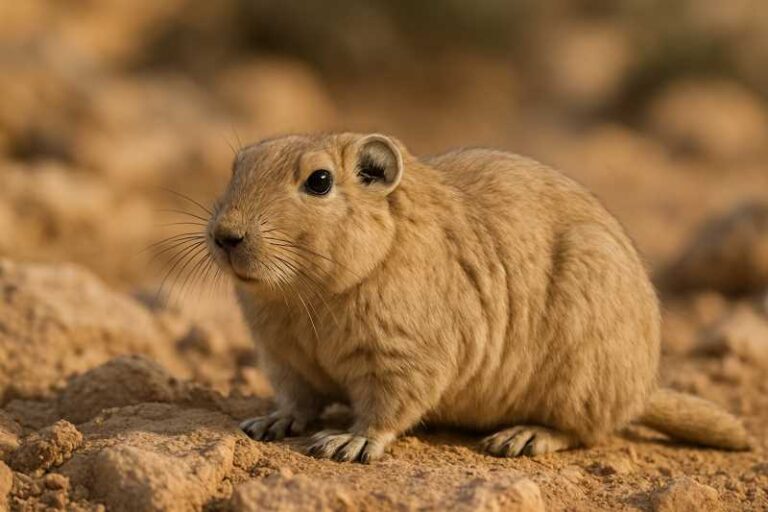
The Angolan Multimammate Mouse is a small rodent characterized by its distinctive physical features. It typically measures between 8 to 12 centimeters in body length, with a tail length that can add an additional 7 to 10 centimeters. This makes it a relatively small mammal, although it is larger than some other mouse species.
The fur of the Angolan Multimammate Mouse is generally soft and dense, providing insulation and protection. The coloration of its fur can range from a greyish-brown to a sandy hue, allowing it to blend seamlessly into its environment. The underbelly is usually lighter, often displaying a white or pale grey coloration. One of the hallmark features of this species is its large, prominent ears which are well-adapted for acute hearing, a vital sense for detecting predators and communicating with conspecifics.
Additionally, the Angolan Multimammate Mouse is named for its remarkable reproductive anatomy. Females possess more mammary glands than most other rodents, with some having up to 12 pairs. This adaptation is believed to enhance their reproductive success, contributing to their capacity to produce large litters.
Range and Habitat
Mastomys angolensis is predominantly found in Angola and neighboring regions, including parts of Namibia and the Democratic Republic of the Congo. Its range extends across various landscapes, from savannas and grasslands to semi-arid environments. This broad range highlights the species’ adaptability to different ecological conditions.
The Angolan Multimammate Mouse thrives in habitats with abundant cover, such as areas with tall grasses, shrubs, and thickets. These environments offer protection from predators and provide ample food resources. The species is also known to inhabit agricultural lands, where it can find food readily available from crops and stored grains. This adaptability to human-altered landscapes has implications for both the species’ survival and its interactions with human activities.
Behavior and Diet
The Angolan Multimammate Mouse exhibits nocturnal behavior, being most active during the night when it forages for food. This nocturnal lifestyle helps reduce the risk of predation and allows the mouse to exploit resources that may be less accessible during the day.
Its diet is omnivorous, consisting of a variety of plant and animal matter. This includes seeds, fruits, insects, and small invertebrates. The ability to consume a wide range of foods enables the Angolan Multimammate Mouse to adapt to different environments and seasonal changes in food availability.
Socially, these mice are known to live in groups, which may offer advantages in terms of protection and resource sharing. Their reproductive strategy, characterized by large litters, ensures that populations can recover quickly from declines, making them resilient to certain environmental pressures.
Identification Tips
For those interested in identifying the Angolan Multimammate Mouse in the field, several key features can aid recognition:
- Size and Shape: Look for a small rodent with a body length of 8 to 12 cm and a tail length of 7 to 10 cm.
- Fur Coloration: Note the greyish-brown to sandy fur with a lighter underbelly.
- Ears: Large, prominent ears are a distinguishing feature.
- Behavior: Observe nocturnal activity patterns and a preference for habitats with dense cover.
- Habitat: Presence in savannas, grasslands, and human-altered landscapes can be a clue to their presence.
Conservation Status (with threats and protections)
The conservation status of the Angolan Multimammate Mouse is currently not well-documented, reflecting the need for more comprehensive studies. However, like many rodent species, it faces threats from habitat destruction and fragmentation due to agricultural expansion and urban development. Additionally, the use of rodenticides in agricultural areas poses a significant risk.
Despite these threats, the species’ adaptability and reproductive capacity offer some level of resilience. Efforts to protect the Angolan Multimammate Mouse should focus on habitat preservation and sustainable agricultural practices that minimize the impact on local wildlife.
Frequently Asked Questions
What is the habitat of the Angolan Multimammate Mouse?
The Angolan Multimammate Mouse inhabits various environments, including savannas, grasslands, and agricultural lands, primarily in Angola and surrounding regions.
How can you identify the Angolan Multimammate Mouse?
Identifying the Angolan Multimammate Mouse involves looking for a small rodent with greyish-brown fur, large ears, and a preference for nocturnal activity in covered habitats.
Are Angolan Multimammate Mice endangered?
Currently, there is insufficient data on the conservation status of the Angolan Multimammate Mouse. However, habitat destruction and agricultural practices pose potential threats.
What do Angolan Multimammate Mice eat?
These mice are omnivorous, feeding on seeds, fruits, insects, and small invertebrates, allowing them to adapt to various environmental conditions.
Why are they called multimammate mice?
The term "multimammate" refers to the female’s numerous mammary glands, which enable them to produce large litters, contributing to their reproductive success.
Related posts