Introduction
The Aroa Small-eared Shrew (Cryptotis aroensis) is a fascinating yet lesser-known species among the diverse world of mammals. This small insectivorous mammal is part of the Soricidae family, which includes various species of shrews. Known for its distinct characteristics and specific habitat preferences, the Aroa Small-eared Shrew is an intriguing subject of study for mammalogists and wildlife enthusiasts alike.
Understanding the importance of each species, even those as small as the Aroa Small-eared Shrew, is crucial in the broader context of biodiversity and ecological balance. This article delves into the various aspects of the Aroa Small-eared Shrew, including its physical description, habitat, behavior, and conservation status.
Physical Description
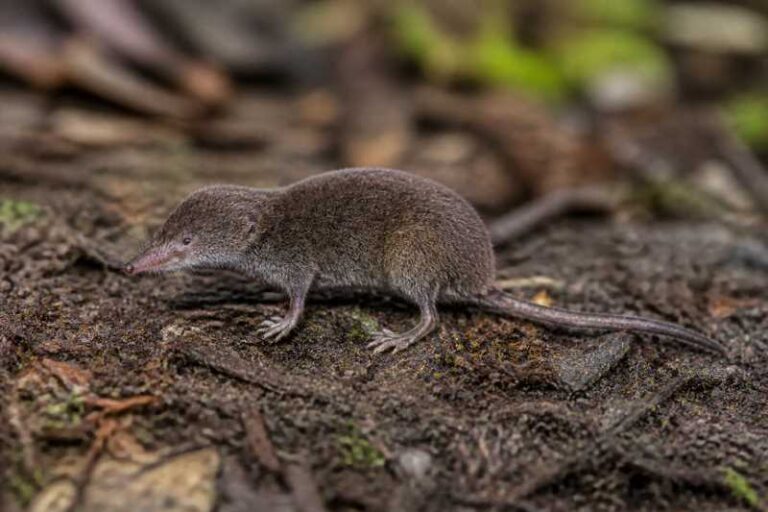
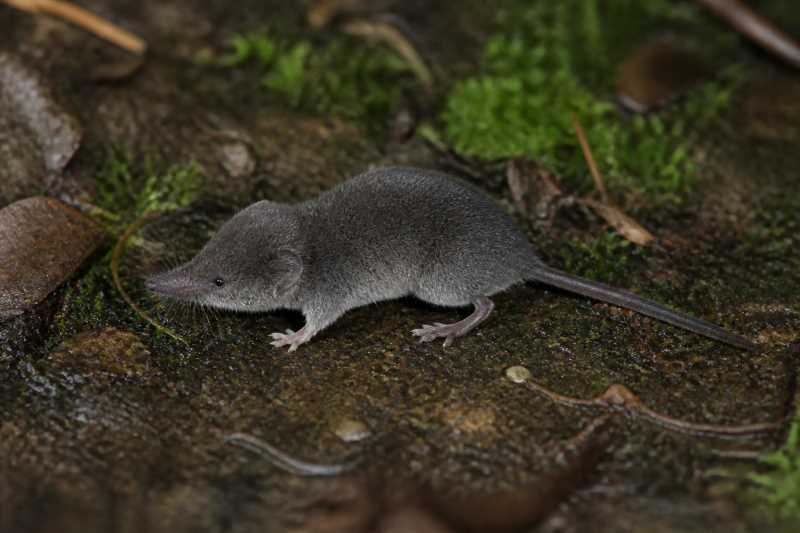
The Aroa Small-eared Shrew is known for its diminutive size, which is characteristic of the shrew family. This particular species has a compact body with a length typically ranging from 60 to 80 mm, excluding the tail. The tail itself is relatively short, measuring about 20 to 30 mm, and is covered with fine, dense fur.
One of the defining features of the Aroa Small-eared Shrew is its small, rounded ears, which are often concealed by the surrounding fur, hence the name "small-eared" shrew. The fur is generally soft and dense, providing insulation against the cooler climates of its habitat. The coloration is usually a dark gray or brown, which serves as camouflage against the forest floor.
The shrew has a pointed snout, which is equipped with sensitive vibrissae that aid in foraging for food. The eyes are small, reflecting its reliance on other senses such as touch and smell. Its limbs are short, but the shrew is an adept digger, utilizing its forelimbs to burrow and search for insects and other small invertebrates.
Range and Habitat
The Aroa Small-eared Shrew is primarily found in the montane regions of Venezuela, particularly in the Cordillera de la Costa mountain range. This region provides the specific environmental conditions that the shrew requires for survival, including a cool, moist climate, and abundant leaf litter that supports its diet.
These shrews inhabit dense undergrowth and forested areas where they can find shelter and food. They are typically found at elevations ranging from 1,500 to 2,500 meters above sea level. The montane forests offer a wide range of microhabitats, which are crucial for the shrew’s foraging activities and protection from predators.
Behavior and Diet
The Aroa Small-eared Shrew is primarily nocturnal, spending its nights actively foraging for food. Its diet consists mainly of insects and other small invertebrates, which it locates using its keen sense of smell and touch. The shrew’s metabolic rate is extremely high, necessitating frequent feeding to sustain its energy requirements.
These shrews are solitary creatures, with individuals maintaining territories that they defend from intruders. Their social interactions are limited, typically occurring only during the breeding season. Communication among shrews is generally through high-pitched squeaks and the use of scent markings.
The Aroa Small-eared Shrew is also known for its burrowing behavior, creating intricate tunnels within the leaf litter and soil, which serve as both protection from predators and a means of locating prey.
Identification Tips (Field Recognition Cues)
Identifying the Aroa Small-eared Shrew in the field requires careful observation, given its small size and secretive nature. Here are some tips for recognition:
- Size and Shape: Look for a small mammal with a compact body, short limbs, and a very short tail relative to its body length.
- Fur and Coloration: Note the dark gray or brown fur that provides excellent camouflage against the forest floor.
- Ears: The small, rounded ears are often hidden by fur, making them difficult to spot.
- Behavior: Observe the shrew’s movements; it is active primarily at night and is a fast, erratic mover.
- Habitat: Focus on montane forest regions with dense undergrowth and abundant leaf litter.
Conservation Status (With Threats and Protections)
The conservation status of the Aroa Small-eared Shrew is a subject of concern, primarily due to its limited range and specific habitat requirements. Currently, the IUCN lists this species as "Data Deficient," indicating that there is insufficient information to make a precise assessment of its population trends.
Threats to the Aroa Small-eared Shrew include habitat destruction due to logging, agricultural expansion, and human encroachment. Climate change also poses a significant threat, potentially altering the delicate montane ecosystems that the shrew depends on.
Conservation efforts are essential to ensure the survival of this species. Protecting its natural habitat through the establishment of protected areas and promoting sustainable land use practices are critical steps. Additionally, further research is needed to gather data on its population size, distribution, and ecological role.
Frequently Asked Questions
Why is this species unique?
The Aroa Small-eared Shrew is unique due to its specialized habitat requirements and its role as an insectivore in the montane ecosystems of Venezuela. Its small size and elusive nature make it a challenging species to study, adding to its uniqueness in the animal kingdom.
What threats does the Aroa Small-eared Shrew face?
The primary threats to the Aroa Small-eared Shrew include habitat destruction due to deforestation and human encroachment. Climate change is also a looming threat, potentially disrupting the montane environments this species relies on.
How can we help conserve this species?
Conservation efforts should focus on protecting the shrew’s natural habitat through the creation of reserves and promoting sustainable practices. Supporting research initiatives to better understand the species’ ecology and distribution can also aid in its conservation.
What do Aroa Small-eared Shrews eat?
These shrews primarily feed on insects and other small invertebrates. Their diet is driven by their high metabolic rate, which requires them to consume food frequently to maintain energy levels.
Where can the Aroa Small-eared Shrew be found?
The Aroa Small-eared Shrew is found in the montane regions of Venezuela, particularly within the Cordillera de la Costa mountain range. They inhabit dense forest areas with ample leaf litter and undergrowth.
Related posts