
Introduction
The Aberdare Mole Shrew, scientifically known as Surdisorex norae, is an elusive and fascinating mammal found exclusively in the Aberdare Range of central Kenya. This small insectivore is part of the Soricidae family, which is renowned for its diverse and widespread members. Known for its unique adaptations to a subterranean lifestyle, the Aberdare Mole Shrew remains one of the lesser-known mammals in the world, largely due to its restricted range and secretive nature. This article delves into the distinctive characteristics, habitat, behaviors, and conservation needs of this intriguing species.
Physical Description
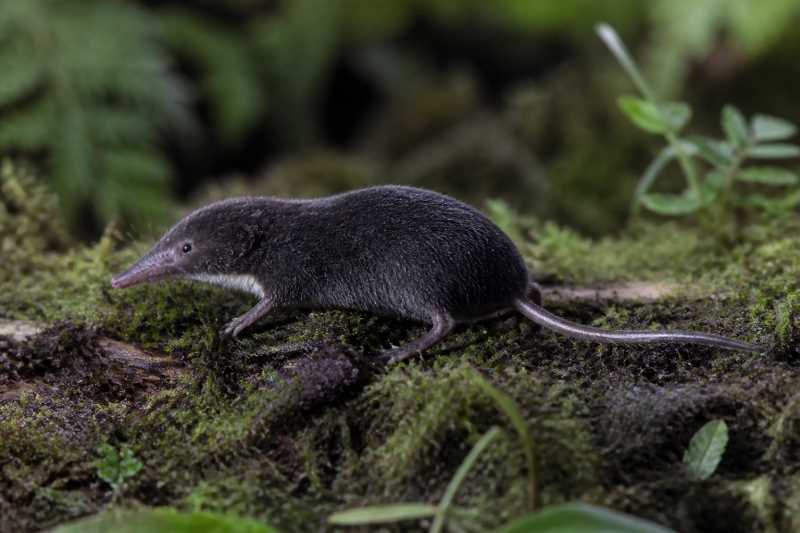
The Aberdare Mole Shrew is a small, burrowing mammal, typically measuring around 12 to 14 centimeters in length, including the tail, which constitutes about half of its total length. It weighs approximately 25 to 35 grams. Its body is well-adapted for a life spent mostly underground, featuring short, velvety fur that is generally dark brown to black, which helps it blend into its earthy environment.
The shrew’s head is equipped with a long, pointed snout that aids in foraging for insects and other small invertebrates in the soil. Its eyes are small and somewhat reduced, as vision is less critical for a subterranean lifestyle. The ears are also small and often hidden by fur, minimizing the risk of injury while burrowing. The front limbs of the Aberdare Mole Shrew are strong and equipped with sharp claws, essential tools for digging through soil and leaf litter.
Range and Habitat
The Aberdare Mole Shrew is endemic to the Aberdare Range, a mountain range located in central Kenya. This region is characterized by montane and subalpine ecosystems, with dense forests and open moorlands. The shrew is primarily found in high-altitude bamboo and forest habitats, where the soil is soft and rich in organic matter, making it easier to excavate burrows.
The specific range of Surdisorex norae is relatively limited, covering a small geographical area within the Aberdare National Park. The park itself is a protected area, which offers some level of conservation security for the species. However, its limited distribution makes the shrew particularly vulnerable to environmental changes and habitat disturbance.
Behavior and Diet
The Aberdare Mole Shrew is a solitary and secretive animal, spending most of its life underground. It is primarily nocturnal, emerging occasionally above ground during the night to forage. Its diet consists mainly of insects and other small invertebrates, such as earthworms and larvae, which it locates using its keen sense of smell.
This shrew is an accomplished digger, creating an extensive network of tunnels and burrows beneath the forest floor. These subterranean passages provide shelter from predators and harsh weather conditions, as well as access to food resources. The shrew’s activity is largely concentrated within its burrow system, where it can move quickly and efficiently.
Identification Tips (Field Recognition Cues)
Identifying the Aberdare Mole Shrew in the field requires keen observation and some familiarity with its characteristics, given its elusive nature. Key identification tips include:
- Fur Color and Texture: Look for the shrew’s distinct dark brown to black velvety fur, which is a notable characteristic.
- Size: At 12 to 14 centimeters in length, the Aberdare Mole Shrew is relatively small compared to other similar species.
- Snout and Limbs: Its long, pointed snout and strong, clawed front limbs are adapted for digging and foraging.
- Habitat: Observing its preferred montane and bamboo forest habitats may increase the chances of encountering this species.
Conservation Status (with Threats and Protections)
The Aberdare Mole Shrew is currently classified as Vulnerable on the IUCN Red List of Threatened Species. Its restricted range and specialized habitat requirements make it susceptible to several environmental threats.
Threats
- Habitat Loss: Deforestation and land conversion for agriculture and human settlement pose significant risks to its habitat.
- Climate Change: Alterations in climate can affect the delicate montane ecosystems, impacting the availability of food and suitable burrowing conditions.
- Predation: Although primarily subterranean, the shrew faces predation from birds of prey and small carnivores when above ground.
Protections
- Protected Area: The Aberdare National Park provides a crucial refuge for the species, safeguarding its habitat from many human-induced threats.
- Conservation Efforts: Ongoing research and monitoring are essential for understanding the population dynamics and ecological needs of the species.
Frequently Asked Questions
What is unique about the Aberdare Mole Shrew?
The Aberdare Mole Shrew is unique due to its subterranean lifestyle, limited range in the Aberdare Range, and specialized adaptations, such as its strong digging limbs and reduced vision.
How does the Aberdare Mole Shrew contribute to its ecosystem?
As an insectivore, the Aberdare Mole Shrew plays a vital role in controlling insect populations, thus maintaining the ecological balance in its montane forest habitat.
Why is the Aberdare Mole Shrew considered vulnerable?
Its vulnerability stems from its limited distribution, habitat loss, climate change, and specific ecological requirements, all of which threaten its survival.
What conservation measures are in place for the Aberdare Mole Shrew?
Conservation measures include habitat protection within Aberdare National Park, ongoing research, and efforts to mitigate environmental threats such as deforestation and climate change.
How can one identify the Aberdare Mole Shrew in the wild?
Identifying this shrew involves noting its small size, dark velvety fur, long snout, and strong claws, as well as observing its habitat preferences in high-altitude forests.
Related posts


