The Crested Quetzal: A Jewel of the Andes
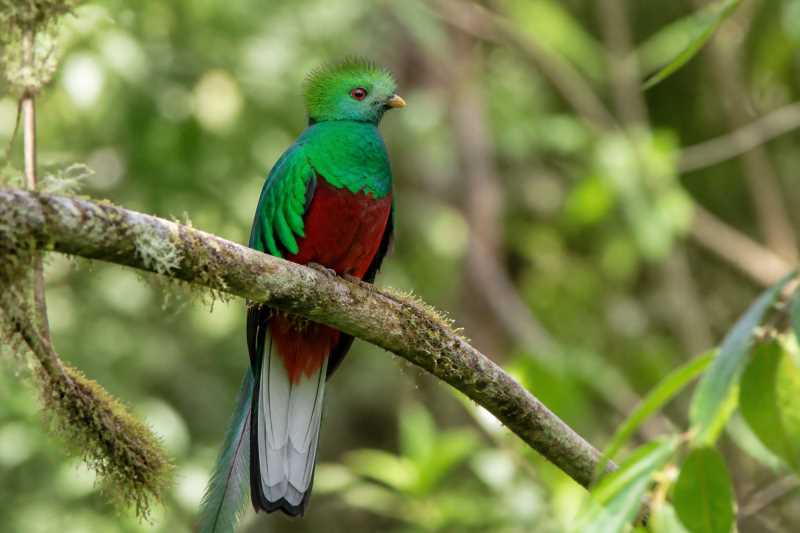
The Crested Quetzal (Pharomachrus antisianus) is a spectacular bird that graces the cloud forests of the Andes with its vibrant plumage and distinctive call. Known for its iridescent green body, bright red belly, and striking crest, this bird is a visual marvel and an important symbol in the ecosystems it inhabits.
Taxonomy and Classification
The Crested Quetzal belongs to the Trogonidae family, which comprises various species known for their colorful appearance and unique vocalizations. The genus Pharomachrus includes several quetzal species, with the Crested Quetzal being one of the less-studied members. These birds are closely related to other quetzals, such as the Resplendent Quetzal (Pharomachrus mocinno), but are distinct in their range and physical characteristics.
Distribution and Habitat
Found primarily in the Andean cloud forests, the Crested Quetzal ranges from Venezuela and Colombia to Bolivia. These birds thrive in high-altitude forests, typically between 1,500 and 3,000 meters above sea level, where they find abundant food sources and suitable nesting sites. The dense, humid environment of these forests provides an ideal habitat, rich in fruiting trees that make up the bulk of the quetzal’s diet.
Physical Characteristics
The Crested Quetzal is easily recognizable by its striking coloration and elegant shape. Males are particularly showy, with vibrant green and red feathers that glisten in the dappled sunlight of the forest canopy. They have a distinctive crest of feathers on their heads, which gives them their name. Females, while less colorful, still exhibit beautiful plumage, with more subdued tones of green and gray.
One of the most remarkable features of this species is its long tail feathers, which can extend well beyond the bird’s body length. These feathers play a critical role in courtship displays, where males perform elaborate flights to attract females.
Behavior and Diet
Crested Quetzals are primarily frugivorous, feeding on a variety of fruits and berries found within their forest habitat. They are particularly fond of wild avocados and other fruits with high oil content, which provide essential nutrients and energy. In addition to fruit, they may occasionally consume insects and small vertebrates, particularly during the breeding season when additional protein is required.
These birds are known for their distinctive calls, which are often described as a series of sharp, melodic notes. Their vocalizations are a crucial part of their social behavior, used to establish territory, attract mates, and communicate with other quetzals.
Reproductive Behavior
Breeding for the Crested Quetzal typically occurs during the rainy season, which varies across their range but generally falls between March and June. Nesting sites are usually located in tree cavities or abandoned woodpecker holes, where they lay two to three eggs. Both male and female quetzals participate in incubating the eggs and caring for the chicks once they hatch.
The chicks are altricial, meaning they are born relatively undeveloped and require significant parental care. They fledge after about three weeks, but continue to rely on their parents for food until they are capable of foraging independently.
Conservation Status
While the Crested Quetzal is not currently considered endangered, it faces several threats that could impact its population in the future. Habitat loss due to deforestation and land conversion for agriculture poses a significant risk to their cloud forest environment. Additionally, climate change may alter the delicate balance of these ecosystems, affecting food availability and nesting sites.
Conservation efforts aimed at preserving cloud forests and maintaining biodiversity are crucial for the long-term survival of the Crested Quetzal. Protected areas and national parks in the Andes play a vital role in safeguarding these birds and their habitats.
Cultural Significance
The Crested Quetzal, like its relative the Resplendent Quetzal, holds a special place in the cultural heritage of indigenous peoples in South America. In many cultures, quetzals are seen as symbols of freedom and beauty, often associated with deities and ancestral spirits.
In conclusion, the Crested Quetzal is a remarkable bird that captivates all who have the privilege of observing it in its natural habitat. Its vibrant colors, unique behaviors, and ecological importance make it a valuable species for both scientists and conservationists. Protecting this majestic bird and its environment ensures that future generations can continue to marvel at its beauty and significance in the Andes.
Related posts