The Siberian Long-tailed Rosefinch: A Jewel of Avian Diversity
Introduction
The Siberian Long-tailed Rosefinch (Carpodacus sibiricus) is a captivating avian species that enchants birdwatchers and ornithologists alike with its vibrant plumage and melodious song. Found mainly across the vast expanses of Siberia and parts of northeastern Asia, this bird embodies the rich biodiversity of the region. In this article, we will delve into the various aspects of this remarkable species, from its distinctive characteristics to its ecological significance and conservation status.
Taxonomy and Nomenclature
The Siberian Long-tailed Rosefinch belongs to the family Fringillidae, which encompasses a diverse group of finches. The genus Carpodacus is known for its brightly colored members, and C. sibiricus is no exception. The species was first described in the 19th century and has since been a subject of interest due to its striking appearance and adaptation to harsh climates.
Physical Description
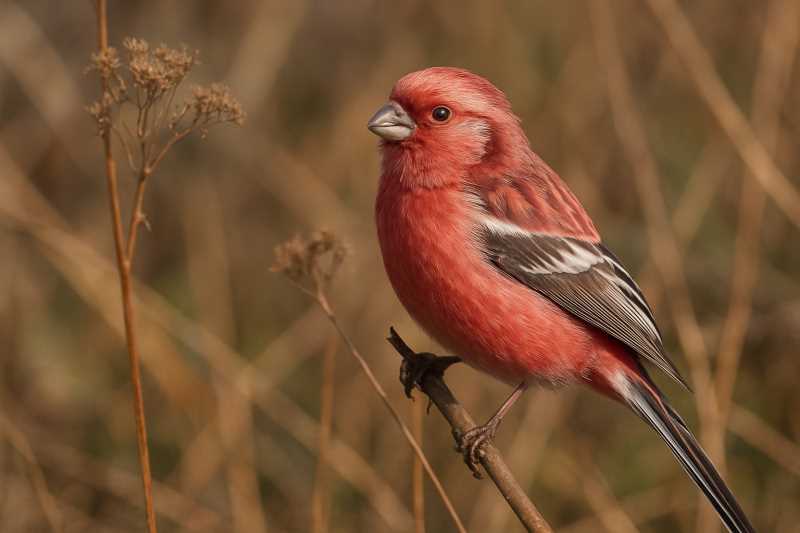
The Siberian Long-tailed Rosefinch is renowned for its exquisite plumage, especially in males. Adult males typically exhibit a vibrant rose-pink coloration on their head, breast, and back, with a contrasting white belly. The tail is notably long, adding to their graceful appearance. Females, while more subdued, possess a charming blend of browns and pinks, allowing them to blend into their natural habitat. Both sexes have stout bills adapted for seed consumption.
Habitat and Distribution
As its name suggests, the Siberian Long-tailed Rosefinch predominantly inhabits the vast taiga and tundra regions of Siberia. These areas provide an ideal environment with abundant food sources and nesting sites. The species is also found in parts of Mongolia, northeastern China, and occasionally in Japan during migration. Its preference for dense shrubs and forest edges reflects its adaptation to cold climates and the need for protective cover.
Behavior and Diet
The Siberian Long-tailed Rosefinch is primarily granivorous, feeding on a variety of seeds, berries, and buds. During the breeding season, they may also consume insects to provide essential protein for their young. These birds are social creatures, often seen in small flocks outside the breeding season. Their vocalizations are a series of melodious whistles and trills, adding a musical backdrop to their natural habitats.
Breeding and Reproduction
Breeding typically occurs in the spring and early summer months. The Siberian Long-tailed Rosefinch builds its nest in dense shrubs or low trees, often using twigs, grasses, and feathers to create a well-insulated cradle for their eggs. A typical clutch consists of three to five eggs, which are incubated by the female for about two weeks. Both parents participate in feeding the fledglings, ensuring their survival in the challenging climate.
Ecological Role
The Siberian Long-tailed Rosefinch plays a significant role in its ecosystem. As seed dispersers, they help maintain plant diversity and contribute to the regeneration of their habitats. Their diet also controls the population of certain insect species, highlighting their importance in the ecological balance of their environment.
Conservation Status
Currently, the Siberian Long-tailed Rosefinch is classified as a species of Least Concern by the International Union for Conservation of Nature (IUCN). However, like many species, it faces potential threats from habitat loss due to logging and climate change. Conservation efforts are essential to ensure that these vibrant birds continue to thrive in their natural habitat.
Human Interaction and Cultural Significance
While not as well-known as some other bird species, the Siberian Long-tailed Rosefinch holds a special place in the hearts of bird enthusiasts. Its striking appearance makes it a sought-after species for birdwatchers, contributing to ecotourism in regions where it is found. Moreover, its presence in folklore and as a symbol of beauty and resilience further underscores its cultural significance.
Conclusion
The Siberian Long-tailed Rosefinch is a testament to the wonders of avian diversity. Its striking plumage, melodic songs, and ecological importance make it a fascinating subject for study and appreciation. As we continue to explore and understand these remarkable birds, it is crucial to ensure their conservation and protection, preserving their place in the natural world for future generations to enjoy.
By appreciating and safeguarding the Siberian Long-tailed Rosefinch, we honor not only a single species but the intricate tapestry of life that it represents in the wild landscapes of Siberia and beyond.
References
1. BirdLife International (2021). Carpodacus sibiricus. The IUCN Red List of Threatened Species 2021.
2. Collar, N. J., & Newton, I. (2020). “Finches and Sparrows: An Identification Guide.” Christopher Helm.
3. Cramp, S., & Perrins, C. M. (1994). “The Birds of the Western Palearctic.” Oxford University Press.
Related posts