Introduction
The Veracruz Shrew (Sorex veraecrucis), a small insectivorous mammal, is a fascinating yet relatively obscure member of the Soricidae family. Found primarily in Mexico, this shrew is known for its elusive nature and its role in the ecosystem as a pest controller. Despite its diminutive size, the Veracruz Shrew plays a significant part in maintaining the ecological balance in its natural habitat. This article delves into the various facets of the Veracruz Shrew, from its physical characteristics to its conservation status.
Physical Description
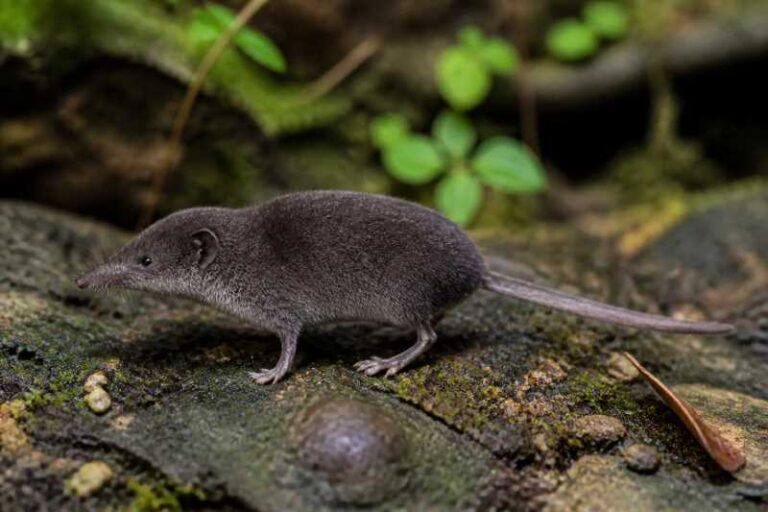
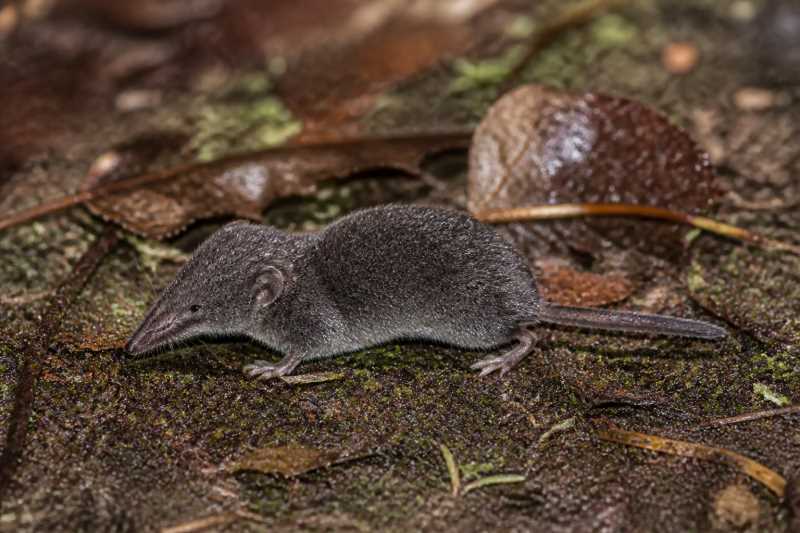
The Veracruz Shrew is a small mammal with a compact body, typically measuring between 9 to 11 cm in total length, including its tail. Its weight ranges from 4 to 8 grams, making it one of the lighter members of the Soricidae family. The shrew’s fur is generally dark brown to grayish in color, with a slightly lighter underbelly. These adaptations allow it to blend seamlessly into its environment, providing camouflage from predators.
One of the distinctive features of the Veracruz Shrew is its elongated snout, which aids in foraging for insects and other small invertebrates. Its eyes are small, reflecting its reliance on other senses such as touch and smell for navigation and hunting. The shrew’s ears are not prominently visible, often concealed under its fur, which minimizes heat loss and protects them from debris.
Range and Habitat
The Veracruz Shrew is endemic to Mexico, predominantly found in the cloud forests of Veracruz and the surrounding regions. These forests provide a humid, cool environment that supports a rich diversity of flora and fauna, making it an ideal habitat for such a species. The shrew typically inhabits areas with dense leaf litter and abundant ground cover, which offers protection and ample feeding grounds.
Their range is somewhat limited due to the specific conditions they require, which include high humidity and consistent temperatures. These factors make the cloud forests of Mexico crucial for their survival, as they provide not only shelter but also a steady supply of food resources.
Behavior and Diet
Veracruz Shrews are primarily nocturnal, spending most of their active hours during the night when they forage for food. Their diet mainly consists of insects and other small invertebrates such as worms, spiders, and larvae. These shrews play a vital role in controlling insect populations, thereby contributing to the health of their ecosystem.
Shrews have a high metabolic rate, necessitating frequent feeding throughout the day and night. They are solitary creatures, with each individual maintaining a territory that they defend aggressively from intruders. Communication among shrews is limited, often involving high-pitched squeaks and the use of scent markings to delineate territory boundaries.
Identification Tips (Field Recognition Cues)
Identifying the Veracruz Shrew in the field can be challenging due to its small size and elusive nature. However, there are several cues that can aid in its recognition:
- Size and Shape: Look for a small, mouse-sized mammal with an elongated snout.
- Coloration: Dark brown to grayish fur with a lighter underbelly.
- Habitat Preference: Found in areas with dense leaf litter in cloud forests.
- Behavior: Active primarily at night; quick, darting movements when foraging.
Conservation Status (With Threats and Protections)
The Veracruz Shrew is currently classified as Data Deficient by the International Union for Conservation of Nature (IUCN). This classification indicates a lack of sufficient data to make a direct assessment of its population status. However, the shrew faces several threats that could impact its numbers.
Threats
- Habitat Loss: Deforestation and land conversion for agriculture are significant threats, as they lead to the fragmentation and destruction of cloud forests.
- Climate Change: Changes in temperature and precipitation patterns can alter the shrew’s habitat, making it less suitable for their survival.
- Pollution: Pesticides and other pollutants can reduce the availability of prey and directly harm shrew populations.
Protections
Efforts to conserve the Veracruz Shrew focus on habitat protection and restoration. Protected areas within the cloud forests of Veracruz aim to preserve the natural ecosystems. Additionally, environmental regulations and sustainable land-use practices can mitigate some threats posed by human activities.
Frequently Asked Questions
What does the Veracruz Shrew eat?
The Veracruz Shrew primarily feeds on insects and small invertebrates such as worms, spiders, and larvae. Its diet plays a crucial role in controlling pest populations in its habitat.
Where can I find the Veracruz Shrew?
The Veracruz Shrew is found in the cloud forests of Veracruz, Mexico. It prefers areas with dense leaf litter and abundant ground cover.
How does the Veracruz Shrew reproduce?
Information on the reproduction of the Veracruz Shrew is limited, but like other shrews, it is likely to have several litters each year, with each litter containing 2 to 10 young.
Why is the Veracruz Shrew important to the ecosystem?
The Veracruz Shrew is vital for pest control, as it regulates insect populations. This contributes to the balance of the ecosystem and supports biodiversity.
Are Veracruz Shrews endangered?
The Veracruz Shrew is listed as Data Deficient due to a lack of comprehensive data. However, habitat destruction poses a significant threat to their survival.
Related posts