The Enigmatic Rufous-collared Kingfisher: Jewel of the Rainforests
The enchanting Rufous-collared Kingfisher (Actenoides concretus) is a splendid avian species that captures the fascination of bird enthusiasts and ornithologists alike. With its vibrant plumage and elusive nature, this bird is a true gem of the Southeast Asian rainforests. This article delves into the unique characteristics, habitat, behavior, and conservation status of the Rufous-collared Kingfisher, providing a comprehensive overview for those seeking to understand more about this stunning creature.
A Glimpse into the World of the Rufous-collared Kingfisher
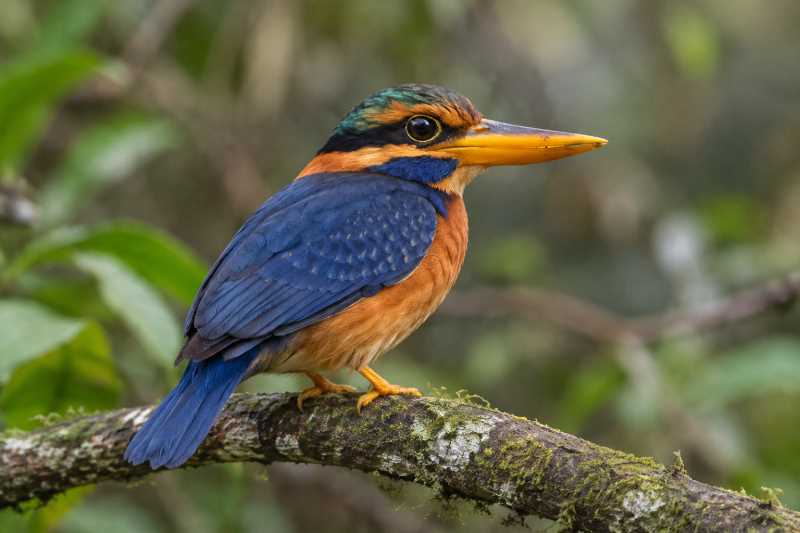
The Rufous-collared Kingfisher is a medium-sized bird, measuring approximately 24 centimeters in length. It is adorned with a rich tapestry of colors, including a bright blue head, striking rufous collar from which it derives its name, and a distinctive mix of green and blue across its wings and back. The bird’s underparts are primarily white, providing a striking contrast to its vibrant upper body. Its large, robust bill is perfectly adapted for its insectivorous diet, making it an efficient predator in its lush habitat.
Habitat and Distribution
This kingfisher species is predominantly found in the lowland and montane rainforests of Southeast Asia. Its range spans across Thailand, Malaysia, Brunei, and Indonesia, with the bird favoring undisturbed forested areas. It thrives in dense primary forests, particularly those with a rich undergrowth and proximity to water bodies, which provide ample hunting grounds. The Rufous-collared Kingfisher is a territorial bird, often seen perched quietly in the mid-canopy, scanning the surroundings for prey.
Behavior and Ecology
Rufous-collared Kingfishers are solitary and elusive, making them a challenging yet rewarding subject for birdwatchers. Their diet primarily consists of insects and small reptiles, which they skillfully hunt from perches. The bird’s hunting technique involves a patient wait, followed by a swift dive to capture its prey, a display of both precision and efficiency.
The breeding habits of the Rufous-collared Kingfisher are not well-documented, largely due to their secretive nature. However, like many kingfishers, they are believed to nest in tree cavities or burrows, where they lay clutches of two to three eggs. Both parents are involved in feeding and nurturing the young, reflecting a collaborative approach to raising their offspring.
Conservation Status and Challenges
The Rufous-collared Kingfisher is currently listed as Near Threatened on the IUCN Red List. The primary threat to its survival is habitat loss due to deforestation and land conversion for agriculture and development. The rapid depletion of Southeast Asia’s rainforests poses a significant risk to this species, as it is highly dependent on pristine forest environments.
Conservation efforts are crucial to the survival of the Rufous-collared Kingfisher. Protecting and restoring its natural habitat is a priority, alongside establishing protected areas and enforcing stricter regulations on deforestation. Additionally, raising awareness about the importance of biodiversity and the threats faced by forest-dwelling species can help garner public support for conservation initiatives.
Conclusion
The Rufous-collared Kingfisher is a captivating and enigmatic bird that plays a vital role in the ecosystems of Southeast Asian rainforests. Its striking appearance and elusive behavior make it a symbol of the mysterious allure of the natural world. Conservation efforts are imperative to ensure that future generations can continue to marvel at this avian wonder. By fostering a deeper understanding and appreciation of the Rufous-collared Kingfisher, we can contribute to the preservation of its habitat and the broader biodiversity of our planet.
As we continue to explore and document the wonders of the natural world, the Rufous-collared Kingfisher stands as a poignant reminder of the beauty and complexity that lies within the heart of the rainforest. Let us strive to protect these irreplaceable treasures, ensuring that they endure for generations to come.
Related posts