Introduction
The Inyo Shrew (Sorex tenellus) is a small mammal species that belongs to the Soricidae family, which comprises more than 385 shrew species worldwide. As a lesser-known creature, the Inyo Shrew primarily inhabits the western United States. Its elusive nature and specific habitat requirements make it a fascinating subject for mammalogists and nature enthusiasts alike. This article delves into the distinct characteristics, habitat preferences, and conservation status of the Inyo Shrew, presenting a comprehensive overview of this intriguing species.
Physical Description
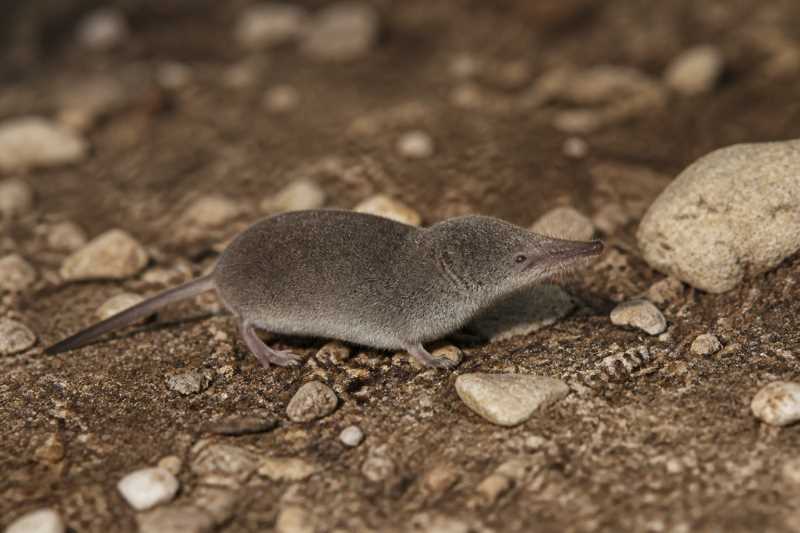
The Inyo Shrew is a small, delicate mammal characterized by its slender body and long, pointed snout. Typically measuring between 85 to 125 millimeters in length, including its tail, the Inyo Shrew has a mass that rarely exceeds 5 grams. Its fur is dense and velvety, exhibiting a dark grayish-brown color on the dorsal side, which fades to a lighter gray on the ventral side. The tail is notably long and bicolored, with a darker upper side and a lighter underside, serving as a balancing tool for the shrew.
One of the distinguishing features of the Inyo Shrew is its tiny, bead-like eyes, which are adapted for a life spent mostly in dimly lit environments. Additionally, its ears are small and rounded, often obscured by its fur. The shrew’s limbs are short but robust, equipped with sharp claws that aid in digging and foraging.
Range and Habitat
The Inyo Shrew is predominantly found in the western regions of the United States, with a range that includes parts of California, Nevada, Oregon, and Idaho. It favors montane and subalpine environments, typically residing in habitats that offer ample ground cover and moisture. These areas include forested regions, meadows, and riparian zones at elevations ranging from 1,500 to 3,500 meters.
The shrew’s habitat preferences are largely influenced by its need for moist environments, which support a rich supply of invertebrate prey. Fallen logs, leaf litter, and dense vegetation provide the necessary cover and foraging opportunities. Seasonal variations in habitat use are common, with shrews often moving to higher elevations during the warmer months and descending to lower areas as temperatures drop.
Behavior and Diet
The Inyo Shrew is primarily nocturnal, engaging in most of its activities under the cover of darkness. It exhibits a high metabolic rate, necessitating frequent feeding to sustain its energy levels. As an insectivore, the shrew’s diet consists mainly of small invertebrates, including insects, worms, and spiders. It uses its keen sense of smell and tactile whiskers to detect prey, often foraging through leaf litter and soil.
Socially, the Inyo Shrew is solitary, except during the breeding season, which typically occurs in the spring and early summer. Females give birth to litters of 4 to 7 young after a gestation period of approximately 18 to 25 days. The young are weaned after about three weeks and reach sexual maturity within a few months.
Identification Tips
Identifying the Inyo Shrew in the field requires a keen eye and attention to specific physical and behavioral cues. Here are some tips for recognizing this elusive species:
- Size and Shape: Look for a small, slender mammal with a long, pointed snout and a proportionately long tail.
- Fur Coloration: Note the dark grayish-brown fur on the back that transitions to a lighter gray on the underside.
- Habitat: Search in montane and subalpine environments with ample cover, such as forested areas and meadows.
- Activity Pattern: Observe for nocturnal activity, typically involving foraging in leaf litter and undergrowth.
- Vocalizations: Listen for high-pitched squeaks or clicks, which are often used for communication among shrews.
Conservation Status
The Inyo Shrew is currently classified as a species of Least Concern by the International Union for Conservation of Nature (IUCN). However, it faces several threats that could potentially impact its populations. Habitat destruction and fragmentation due to human activities such as logging, agriculture, and urban development pose significant risks. Additionally, climate change may alter the availability of suitable habitats, further challenging the species’ survival.
Conservation efforts for the Inyo Shrew are primarily focused on habitat protection and management. Establishing protected areas and promoting sustainable land-use practices are essential strategies for ensuring the long-term viability of this species. Continued research and monitoring are also crucial to understand the species’ ecology and adapt conservation measures accordingly.
Frequently Asked Questions
What does the Inyo Shrew eat?
The Inyo Shrew primarily feeds on small invertebrates such as insects, worms, and spiders. Its diet is crucial for maintaining its high metabolic rate and energy levels.
Where can I find the Inyo Shrew?
The Inyo Shrew is found in the western United States, particularly in California, Nevada, Oregon, and Idaho, favoring montane and subalpine habitats.
How can I identify an Inyo Shrew?
Look for a small, slender mammal with a long snout, dark grayish-brown fur, and a long tail. It’s typically active at night in forested and meadow environments.
Is the Inyo Shrew endangered?
Currently, the Inyo Shrew is not considered endangered and is classified as Least Concern. However, habitat loss and climate change pose potential threats to its populations.
What are the main threats to the Inyo Shrew?
The main threats to the Inyo Shrew include habitat destruction, fragmentation, and the impacts of climate change, which may affect the availability of suitable habitats.
Related posts