Introduction
The Green Ring-tailed Possum (Pseudochirops archeri) is a fascinating marsupial that captivates wildlife enthusiasts and researchers alike. Found primarily in the dense tropical rainforests of northeastern Australia, this unique possum is distinguished by its vibrant green fur and nocturnal habits. Despite its intriguing characteristics, the Green Ring-tailed Possum remains a lesser-known species, making it a subject of interest for conservationists and ecologists. This article delves into the detailed aspects of the Green Ring-tailed Possum, including its physical description, habitat, behavior, diet, and conservation status, providing a comprehensive overview for anyone interested in this remarkable creature.
Physical Description
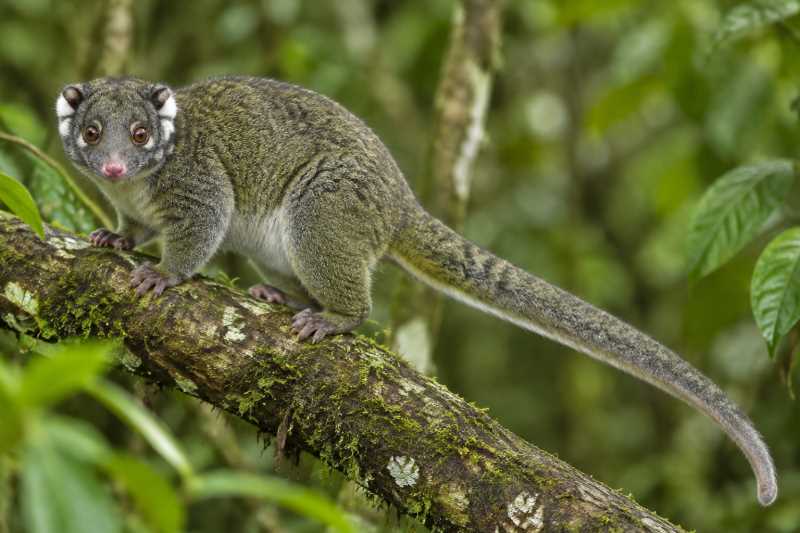
The Green Ring-tailed Possum is aptly named for its striking greenish fur, which provides excellent camouflage among the foliage of its rainforest habitat. Adult possums typically measure about 30 to 38 centimeters in body length, with a tail that adds an additional 30 to 40 centimeters. The tail is prehensile, aiding in climbing and balance, a vital adaptation for an arboreal lifestyle.
Their fur is dense and soft, with a greenish hue that is more pronounced in older individuals. This coloration is interspersed with shades of brown and gray, helping them blend seamlessly into their leafy surroundings. Their underbellies are lighter, usually a creamy white or pale yellow. They possess large, round eyes adapted for nocturnal vision, and their ears are small and rounded, contributing to their overall endearing appearance.
Range and Habitat
The Green Ring-tailed Possum is endemic to the tropical rainforests of northeastern Queensland, Australia. Its range extends from the Atherton Tableland to the southern region of the Cape York Peninsula. These possums are highly adapted to living in humid, high-altitude forests, often found at elevations between 300 and 1,500 meters above sea level.
Their habitat is characterized by dense, wet environments with a rich diversity of plant life, which provides ample food resources and shelter. They thrive in areas with thick canopy cover, which offers protection from predators and the elements. These possums are arboreal by nature, spending most of their lives in trees where they can move easily and find safety.
Behavior and Diet
As nocturnal animals, Green Ring-tailed Possums are primarily active during the night. They are solitary creatures, with each individual maintaining a distinct territory. During the day, they rest in tree hollows or among dense foliage to avoid predators and harsh weather conditions.
Their diet consists mainly of leaves, flowers, and fruits, making them folivores. They have specialized digestive systems that allow them to break down the tough cellulose found in leaves efficiently. Eucalyptus leaves form a significant part of their diet, although they also consume other plant species available in their habitat. Their feeding habits play a crucial role in the ecosystem, as they help in seed dispersal and maintaining plant diversity.
Identification Tips (Field Recognition Cues)
Identifying the Green Ring-tailed Possum in the wild requires keen observation and patience. Here are some tips for recognizing this elusive marsupial:
- Coloration: Look for their distinctive greenish fur, which helps them blend into the rainforest canopy.
- Tail: Note the long, prehensile tail, which they use for climbing and maintaining balance.
- Size: Measure their length, which is about 30 to 38 centimeters for the body, with an equally long tail.
- Activity Time: Spot them during nighttime hours when they are most active and foraging for food.
- Habitat: Search in high-altitude rainforests, especially in northeastern Queensland.
Conservation Status (with Threats and Protections)
The Green Ring-tailed Possum is currently listed as "Least Concern" by the International Union for Conservation of Nature (IUCN). However, like many rainforest species, they face threats from habitat destruction due to logging, agriculture, and urban expansion. Climate change also poses a risk by altering their natural habitat and food availability.
Conservation efforts are crucial to ensure the long-term survival of this species. Protected areas in Queensland provide some refuge, and ongoing research helps in understanding their ecological needs. Conservationists advocate for sustainable land-use practices and the preservation of rainforest habitats to safeguard the future of the Green Ring-tailed Possum.
Frequently Asked Questions
1. What do Green Ring-tailed Possums eat? Green Ring-tailed Possums primarily feed on leaves, flowers, and fruits, with eucalyptus leaves being a staple in their diet. Their specialized digestive system allows them to extract nutrients from tough plant materials.
2. Where can I find Green Ring-tailed Possums in the wild? These possums are found in the tropical rainforests of northeastern Queensland, Australia. They are most commonly spotted in high-altitude areas with dense canopy cover.
3. Are Green Ring-tailed Possums endangered? Currently, Green Ring-tailed Possums are not considered endangered and are classified as "Least Concern" by the IUCN. However, they face threats from habitat loss and climate change.
4. How do Green Ring-tailed Possums adapt to their environment? Their greenish fur provides camouflage, while their prehensile tail aids in climbing. Their nocturnal habits also help them avoid predators and the heat of the day.
5. What is the lifespan of a Green Ring-tailed Possum? In the wild, Green Ring-tailed Possums can live up to 8-10 years, although this can vary depending on environmental conditions and predation pressures.
Related posts