Northeastern Peninsula Hill Rat (Frateromys fratrorum)
Introduction
The Northeastern Peninsula Hill Rat, scientifically known as Frateromys fratrorum, is a fascinating mammal species that inhabits the rugged terrains of the northeastern peninsulas. This elusive rodent is an essential part of the ecosystem, contributing to seed dispersion and soil aeration through its burrowing habits. Despite its ecological importance, much about this mammal remains unknown due to its secretive nature and limited range.
This article delves into the various aspects of the Northeastern Peninsula Hill Rat, from its physical characteristics and habitat preferences to its behavior and conservation status. Understanding these facets is crucial for appreciating the role this species plays in its habitat and the challenges it faces.
Physical Description
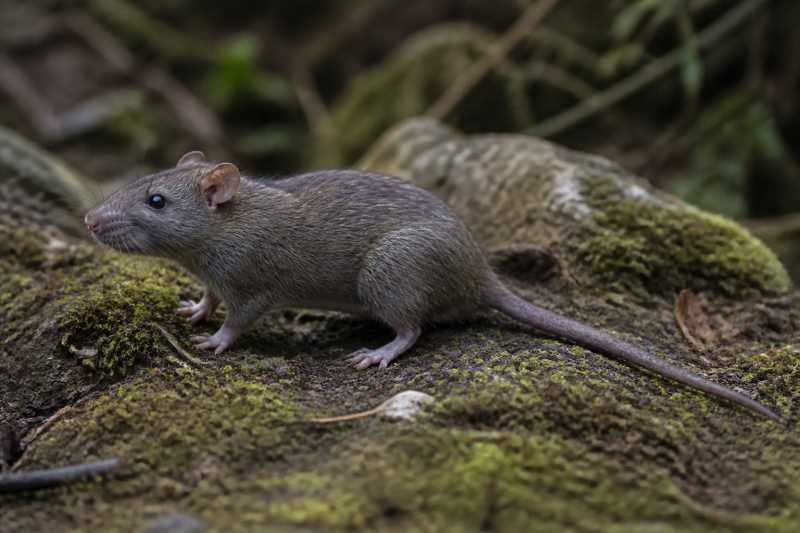
The Northeastern Peninsula Hill Rat is a medium-sized rodent, typically measuring around 25 to 30 centimeters in length, including its tail, which usually accounts for half of its total length. The average weight ranges from 200 to 250 grams. Its fur is dense and soft, providing insulation against the often harsh climates of its native environment. The coloration is predominantly grey with a slight brown tint, which helps it blend into the rocky and earthy terrains.
One of the distinguishing features of Frateromys fratrorum is its large, rounded ears, which are highly sensitive and aid in detecting predators. Its eyes are large and adapted for low-light conditions, a necessary adaptation for its nocturnal lifestyle. The teeth are sharp and continually growing, suited for gnawing on tough vegetation and seeds, which constitute a significant portion of its diet.
Range and Habitat
The Northeastern Peninsula Hill Rat is endemic to the northeastern peninsulas, with its range primarily encompassing rocky hillsides and forested areas. This species prefers elevations ranging from 500 to 1,500 meters above sea level, where it constructs elaborate burrow systems.
These burrows are often located in well-drained soils, providing protection from predators and harsh weather. The habitat is characterized by a mix of dense vegetation and open rocky areas, offering both cover and feeding opportunities. This rat is highly adapted to its environment, with behaviors and physical traits that enable it to thrive in the rugged terrain.
Behavior and Diet
Frateromys fratrorum is primarily nocturnal, spending daylight hours in its burrow to avoid predators. It emerges at dusk to forage for food, which includes seeds, nuts, fruits, and occasionally insects. The species plays a crucial role in its ecosystem by aiding in seed dispersal and promoting plant growth.
Socially, the Northeastern Peninsula Hill Rat is relatively solitary, with individuals maintaining distinct territories. Communication is achieved through a series of vocalizations and scent markings. During the breeding season, which occurs once a year, males and females come together, with females giving birth to litters of three to five pups after a gestation period of about 30 days.
Identification Tips (Field Recognition Cues)
Identifying the Northeastern Peninsula Hill Rat in the field requires attention to several key characteristics:
- Size and Shape: Look for a medium-sized rodent with a robust body and a long, tapering tail.
- Fur Color: The greyish-brown fur is a good indicator, particularly if observed in rocky, hilly regions.
- Ears and Eyes: Note the large, rounded ears and prominent eyes, adapted for nighttime activity.
- Behavior: Observing nocturnal foraging behavior and the characteristic burrows can help confirm identification.
- Vocalizations: Listen for the soft, chattering sounds often emitted during social interactions.
Conservation Status (with Threats and Protections)
Currently, the Northeastern Peninsula Hill Rat is classified as a species of least concern by conservation authorities. However, its specialized habitat and limited range make it vulnerable to environmental changes.
Threats
The primary threats to Frateromys fratrorum include habitat destruction due to agricultural expansion and urban development. Additionally, climate change poses a long-term risk by altering the delicate balance of its ecosystem. Predation by introduced species, such as domestic cats, also contributes to mortality rates.
Protections
Efforts to conserve the Northeastern Peninsula Hill Rat focus on habitat preservation. Protected areas have been established in key regions to safeguard its habitat from destruction. Conservationists also promote sustainable land use practices that minimize environmental impact. Ongoing research aims to monitor population trends and adapt conservation strategies as needed.
Frequently Asked Questions
What do Northeastern Peninsula Hill Rats eat?
Northeastern Peninsula Hill Rats primarily consume seeds, nuts, fruits, and insects. Their diet plays a crucial role in seed dispersal within their habitat.
Where can I find Northeastern Peninsula Hill Rats?
These rats are found in the northeastern peninsulas, particularly in rocky hillsides and forested areas at elevations of 500 to 1,500 meters.
How do Northeastern Peninsula Hill Rats communicate?
Communication occurs through vocalizations and scent markings. These rats emit soft, chattering sounds during social interactions and use scent to mark their territory.
Are Northeastern Peninsula Hill Rats endangered?
Currently, they are classified as a species of least concern. Despite this, habitat destruction and climate change pose significant threats that require monitoring and conservation efforts.
How can I identify a Northeastern Peninsula Hill Rat?
Look for a medium-sized rodent with greyish-brown fur, large ears, and eyes. Observe nocturnal foraging behaviors and listen for their characteristic vocalizations.
Related posts