Introduction
The Common Planigale (Planigale maculata) is a fascinating marsupial that stands out due to its unique adaptations and intriguing behaviors. As a member of the Dasyuridae family, this small carnivorous marsupial is native to Australia and is known for its remarkable ability to thrive in diverse environments. Despite its diminutive size, the Common Planigale plays a significant role in its ecosystem, and its presence is an indicator of environmental health. This article delves into the physical characteristics, habitat preferences, behaviors, and conservation status of this captivating species, offering a comprehensive understanding for wildlife enthusiasts and researchers alike.
Physical Description
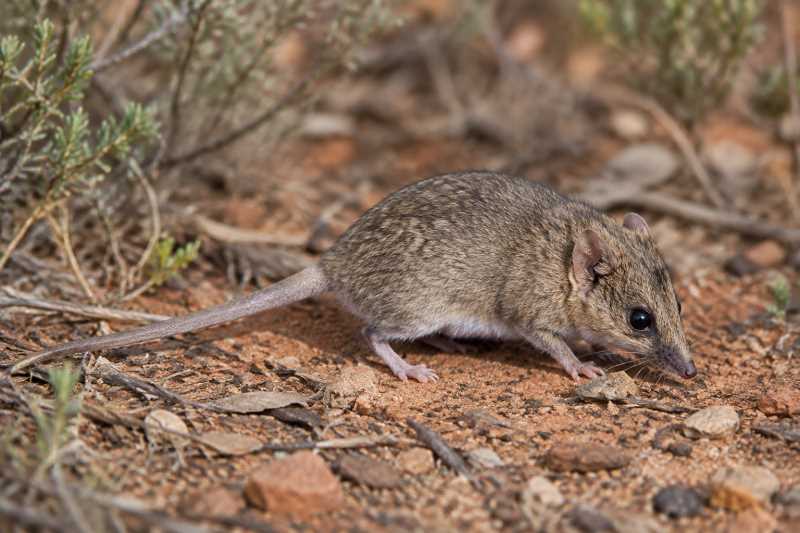
The Common Planigale is one of the smallest carnivorous marsupials, with a body length ranging from 5 to 7.5 centimeters (2 to 3 inches) and a tail of approximately the same length. Weighing between 4.2 to 9.2 grams (0.15 to 0.32 ounces), this tiny creature is often mistaken for a mouse at a glance. Its fur is typically gray-brown, with a paler underside, which provides effective camouflage against the forest floor and dry grasslands.
A distinctive feature of the Common Planigale is its flattened head, which allows it to maneuver through narrow crevices and burrows with ease. This adaptation is critical for evading predators and hunting for prey. The species has sharp claws and teeth, which are essential for capturing insects and small vertebrates. Its pointed snout is equipped with sensitive whiskers, enhancing its ability to detect prey in the dark.
Range and Habitat
The Common Planigale is predominantly found in eastern Australia, with its range extending from northern Queensland to northeastern New South Wales. This species exhibits a remarkable adaptability to various habitats, including tropical rainforests, woodlands, grasslands, and even urban areas.
Inhabiting areas with dense ground cover, the Common Planigale prefers environments where it can swiftly retreat to safety. It is often found near water sources such as rivers and creeks, where the abundance of prey is higher. The species’ ability to live in both humid and arid regions underlines its ecological versatility, making it a resilient survivor in the face of environmental changes.
Behavior and Diet
The Common Planigale is primarily nocturnal, becoming active at night when it hunts for food. Its diet consists mainly of insects, spiders, and small vertebrates like lizards and frogs. The species is an opportunistic feeder, adapting its diet based on the availability of prey within its habitat.
This marsupial is solitary, except during the breeding season when males and females come together to mate. Females have a well-developed pouch where the young, usually a litter of 4 to 8, are nurtured until they are capable of independent survival. The young remain in the pouch for about 28 days before transitioning to the nest.
The Common Planigale displays an array of survival strategies, including torpor—a state of decreased physiological activity—which allows it to conserve energy during periods of food scarcity or extreme temperatures.
Identification Tips
Identifying the Common Planigale in the wild requires careful observation of several key characteristics:
- Size and Shape: Look for a diminutive, mouse-sized marsupial with a flattened head.
- Fur Color: Note the gray-brown fur with a lighter underside.
- Tail: Observe the length of the tail, which is roughly equal to the body length.
- Behavior: Watch for nocturnal activity and quick, agile movements.
- Habitat: Check for presence in dense ground cover near water sources.
Conservation Status
The Common Planigale is currently listed as Least Concern on the IUCN Red List, indicating that it is not at immediate risk of extinction. However, the species faces several threats that could impact its populations if not managed effectively.
Threats:
- Habitat Destruction: Urban development, agriculture, and deforestation threaten the habitats of the Common Planigale.
- Predation: Introduced predators such as cats and foxes pose significant risks.
- Climate Change: Alterations in weather patterns and temperature extremes could affect food availability and habitat conditions.
Protections:
- Conservation Areas: Protected areas and national parks provide refuge for many populations.
- Research and Monitoring: Ongoing studies help track population trends and inform conservation strategies.
- Community Engagement: Educating local communities about the species encourages coexistence and habitat preservation.
Frequently Asked Questions
1. What do Common Planigales eat? Common Planigales primarily consume insects, spiders, and small vertebrates, such as lizards and frogs, adapting their diet based on prey availability.
2. Where can I find Common Planigales in Australia? They are found in eastern Australia, from northern Queensland to northeastern New South Wales, in habitats ranging from rainforests to grasslands.
3. How do Common Planigales avoid predators? Their flattened heads enable them to escape into narrow crevices, and they use dense ground cover for protection. They are also nocturnal, reducing encounters with predators.
4. Are Common Planigales endangered? Currently, they are classified as Least Concern, indicating a stable population. However, habitat destruction and introduced predators remain threats.
5. How does climate change affect Common Planigales? Climate change can alter their habitats and food availability, posing challenges to their survival by affecting the delicate balance of their ecosystems.
Related posts