The Spotted Forktail (Enicurus maculatus): A Jewel of the Asian Forests
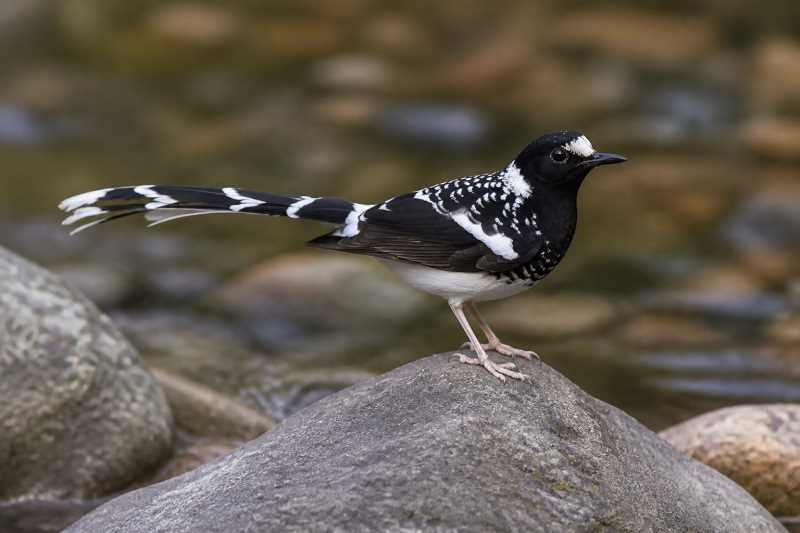
The Spotted Forktail (Enicurus maculatus) is a captivating bird species that is often regarded as one of the most spectacular avian inhabitants of the Asian forests. Recognizable by its striking black and white plumage and long, deeply forked tail, the Spotted Forktail is both a visual delight and an intriguing subject for ornithologists and bird watchers alike. This article delves into the various aspects of its life, including its habitat, behavior, breeding, and conservation status, offering a comprehensive insight into this remarkable bird.
Habitat and Distribution
The Spotted Forktail is predominantly found in the subtropical and tropical montane forests of South and Southeast Asia. Its range spans across countries such as India, Nepal, Bhutan, Myanmar, Thailand, Laos, Vietnam, and southern China. These birds prefer dense, moist environments near streams and rivers, often at altitudes ranging from 300 to 2,500 meters. The availability of clean, flowing water is crucial for the Spotted Forktail, as it plays a significant role in their feeding and nesting habits.
In these lush habitats, the Spotted Forktail thrives amidst the thick undergrowth and forest canopy, where it can forage for food and find shelter from predators. The bird’s striking coloration provides it with a degree of camouflage, blending seamlessly with the dappled light filtering through the forest leaves.
Physical Characteristics
The Spotted Forktail is a medium-sized bird, measuring approximately 25 to 28 centimeters in length, including its tail which accounts for nearly half of its body length. Its most distinctive feature is its long, deeply forked tail, which it uses to maneuver skillfully through the forest.
The plumage of the Spotted Forktail is predominantly black, with a contrasting white crown, throat, and underparts. The wings are adorned with white spots, giving the bird its name. The tail feathers are also marked with white spots, enhancing its striking appearance. The combination of black and white not only makes the Spotted Forktail visually appealing but also aids in communication and courtship displays.
Behavior and Diet
Spotted Forktails are primarily insectivorous, feeding on a diet of insects and other small invertebrates. They are often seen foraging along the edges of streams, where they dexterously pick insects from the water’s surface or from the surrounding vegetation. Their feeding technique is characterized by a series of quick, agile movements, which are facilitated by their long tails that help maintain balance and stability.
These birds are known for their energetic and restless nature, constantly flicking their tails up and down while foraging. This behavior is believed to play a role in flushing out hidden prey and may also serve as a form of communication among individuals.
Breeding and Nesting
The breeding season for Spotted Forktails typically occurs between April and August, coinciding with the availability of abundant food resources. During this time, males engage in elaborate courtship displays to attract females. These displays often involve the male fanning and flicking his tail while performing a series of aerial maneuvers to showcase his agility and vitality.
Once a pair forms, they collaborate to build a nest, usually located on a bank or ledge near a stream. The nest is constructed from moss, leaves, and other plant materials, providing a secure environment for the eggs. The female typically lays a clutch of two to four eggs, which are incubated by both parents for about two weeks.
Both parents are actively involved in feeding and caring for the chicks, which fledge approximately 14 to 16 days after hatching. The family group may remain together for some time before the juveniles disperse to establish their own territories.
Conservation Status
The Spotted Forktail is currently classified as a species of Least Concern by the International Union for Conservation of Nature (IUCN), due to its wide distribution and stable population trends. However, like many forest-dwelling species, it faces potential threats from habitat destruction and degradation, primarily due to deforestation and pollution of waterways.
Conservation efforts aimed at preserving the Spotted Forktail’s natural habitat are crucial for ensuring the species’ long-term survival. Initiatives such as protecting forest areas, promoting sustainable land-use practices, and maintaining clean water sources are essential for safeguarding the future of this exquisite bird.
Conclusion
The Spotted Forktail is not just a stunning example of avian beauty but also an important component of the ecosystems it inhabits. Its presence serves as an indicator of healthy, intact forest environments, and its continued survival is intricately linked to the preservation of these habitats. By understanding and appreciating the unique characteristics and ecological significance of the Spotted Forktail, we can take meaningful steps towards protecting this jewel of the Asian forests for generations to come.
Related posts