The Ornate Sunbird: A Jewel of the Tropics
The Ornate Sunbird (Cinnyris ornatus) is a breathtakingly beautiful species, belonging to the Nectariniidae family. Known for its vibrant plumage and intricate patterns, this avian wonder is a true symbol of the tropical regions it inhabits. The Ornate Sunbird is not just another bird; it is a spectacle of nature’s artistic prowess, captivating birdwatchers and nature enthusiasts alike.
Distribution and Habitat
The Ornate Sunbird is predominantly found in the Malay Peninsula, Sumatra, and Borneo. It thrives in the lush, humid environments of lowland rainforests, but it can also be spotted in secondary forests, plantations, and gardens. These birds are adaptable, often seen flitting about in human-modified landscapes, provided there is an abundance of flowering plants to support their dietary needs.
Physical Characteristics
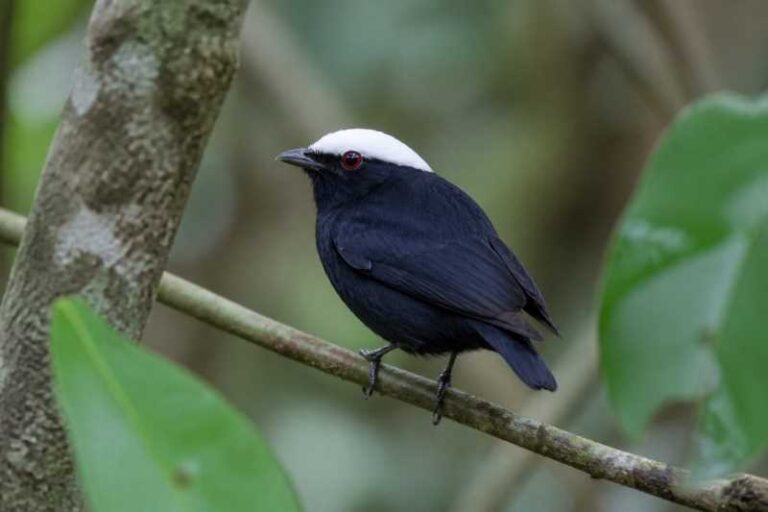
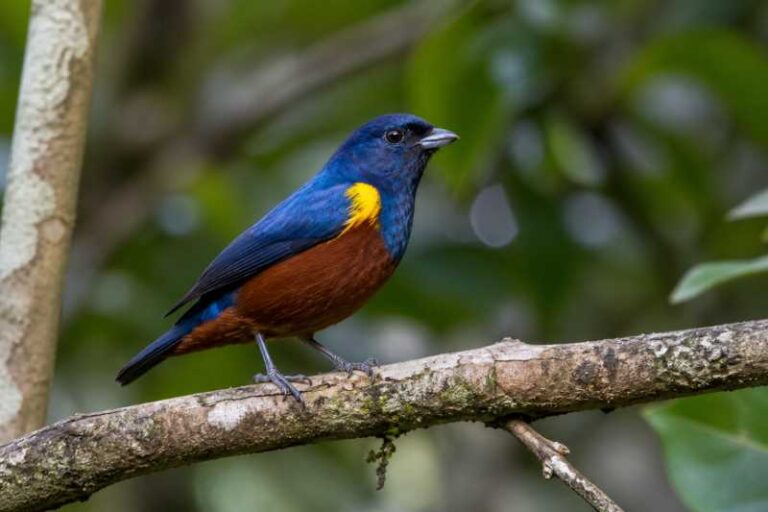
Male Ornate Sunbirds are renowned for their dazzling display of colors. Their plumage is a vibrant mix of metallic greens and purples, with a striking red or orange breast that seems to shimmer in the sunlight. Females, while not as vividly colored, exhibit a more subdued palette of olive and yellow, which provides excellent camouflage among the foliage. Both sexes are small, measuring around 10 cm in length, with a slender, curved beak perfectly adapted for nectar feeding.
Diet and Feeding Behavior
As their name suggests, Ornate Sunbirds primarily feed on nectar. Their long, curved beaks and brush-tipped tongues make them efficient at extracting nectar from a variety of flowers. In addition to nectar, they also consume insects and spiders, which provide essential proteins and nutrients. This dietary flexibility allows them to adapt to different environments and seasonal changes in food availability.
Breeding and Nesting
Breeding season for the Ornate Sunbird typically occurs during the wetter months, when food resources are abundant. The male plays a crucial role in courtship, using its vibrant plumage and acrobatic flight displays to attract a mate. Once paired, the female assumes the primary responsibility for building the nest, which is a marvel of avian architecture. Constructed from plant fibers, leaves, and spider silk, the nest is usually suspended from a thin branch or leaf, providing protection from predators.
The female lays two to three eggs, which she incubates for about two weeks. After hatching, both parents are involved in feeding the chicks, ensuring they receive adequate nutrition for rapid growth. The fledglings leave the nest after approximately three weeks, but they often remain close to their parents until they are fully independent.
Conservation Status
Currently, the Ornate Sunbird is classified as a species of Least Concern by the IUCN Red List. However, like many tropical birds, it faces threats from habitat destruction and fragmentation due to logging, agriculture, and urban expansion. Conservation efforts are crucial to preserving the natural habitats of these birds, ensuring that they continue to thrive for generations to come.
Importance to Ecosystems
Ornate Sunbirds play a significant role in their ecosystems as pollinators. By moving from flower to flower in search of nectar, they facilitate the cross-pollination of various plant species. This ecological service is vital for maintaining the health and diversity of tropical forests. Additionally, their presence is an indicator of a healthy ecosystem, as they are sensitive to changes in their environment.
Ornate Sunbird in Culture
In regions where they are found, Ornate Sunbirds are often admired for their beauty and grace. They are a favorite subject for photographers and artists, who strive to capture their iridescent plumage and lively behavior. In some cultures, they are seen as symbols of joy and vitality, embodying the vibrant life of the tropics.
Observing the Ornate Sunbird
For birdwatchers and nature enthusiasts, observing the Ornate Sunbird in its natural habitat is a rewarding experience. Their energetic behavior and vivid colors make them a delightful sight, whether seen in the wild or in gardens. To attract these birds, one can plant native flowering species and create a bird-friendly environment that mimics their natural habitat.
In conclusion, the Ornate Sunbird is a testament to the beauty and complexity of tropical ecosystems. Its stunning appearance and ecological importance make it a species worthy of admiration and protection. As we continue to explore and understand the natural world, the Ornate Sunbird reminds us of the intricate connections that sustain life on our planet.
Related posts