The Enigmatic Stresemann’s Bushcrow: A Conservation Marvel
In the heart of Ethiopia’s savannas, a unique avian species thrives, captivating ornithologists and conservationists alike with its distinct characteristics and elusive nature. The Stresemann’s Bushcrow (Zavattariornis stresemanni), a bird of striking appearance and mysterious habits, occupies a special niche in the biodiversity of the Horn of Africa. This article delves into the fascinating world of the Stresemann’s Bushcrow, exploring its habitat, behavior, and the urgent conservation efforts needed to ensure its survival.
A Distinctive Appearance
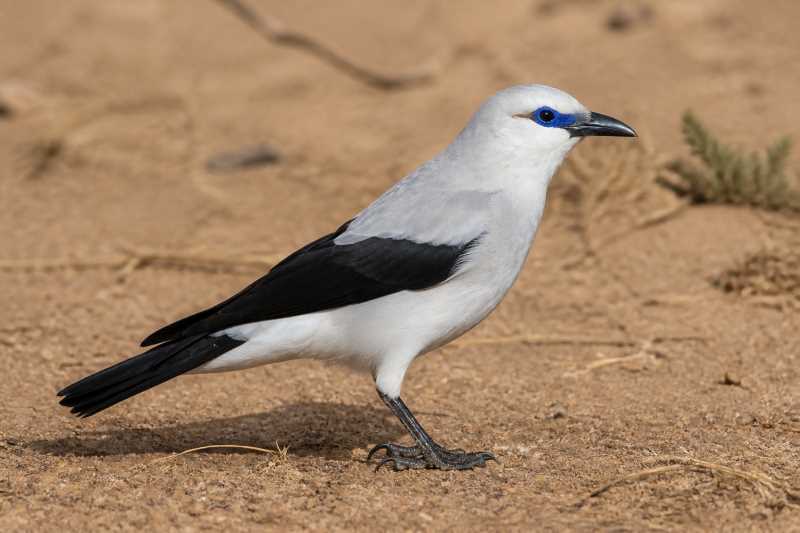
The Stresemann’s Bushcrow is easily recognizable due to its peculiar coloration and distinctive features. Measuring about 20 to 25 centimeters in length, it boasts a predominantly ashy-gray plumage, which is offset by a strikingly black tail and wings. Its head is adorned with a conspicuous blue patch around the eyes, which adds an element of vibrancy to its otherwise muted color palette. This unique combination of features makes the Stresemann’s Bushcrow a remarkable sight in its native habitat.
Habitat and Distribution
Endemic to a small region in south-central Ethiopia, the Stresemann’s Bushcrow inhabits open savanna woodlands, characterized by acacia trees and sparse vegetation. This specific habitat preference makes the bird particularly vulnerable to environmental changes and habitat degradation. The range of the Stresemann’s Bushcrow is alarmingly restricted, limited to an area of approximately 6,000 square kilometers, primarily concentrated in the Yabello Wildlife Sanctuary and its surrounding areas.
Social Structure and Behavior
Stresemann’s Bushcrows are highly social creatures, often observed in small flocks consisting of up to 12 individuals. These birds are known for their cooperative breeding behavior, where several individuals assist in rearing the young. This social structure not only strengthens familial bonds but also enhances the survival chances of the offspring.
Their diet primarily consists of insects, small invertebrates, and occasionally seeds, which they forage from the ground or extract from beneath tree bark. The Stresemann’s Bushcrow’s foraging habits are a testament to their adaptability and resourcefulness in a challenging environment.
Conservation Status and Challenges
Despite its resilience, the Stresemann’s Bushcrow is currently listed as "Endangered" on the IUCN Red List of Threatened Species. The primary threats facing this species include habitat loss, agricultural expansion, and climate change. The conversion of savanna woodlands into agricultural land severely impacts their natural habitat, reducing available nesting sites and food resources.
Climate change poses an additional threat by altering the delicate balance of the savanna ecosystem. Changes in rainfall patterns and temperature fluctuations can lead to shifts in vegetation types, further diminishing suitable habitat for the Stresemann’s Bushcrow.
Conservation Efforts
Efforts to conserve the Stresemann’s Bushcrow are underway, spearheaded by various conservation organizations and local communities. Protecting the remaining habitat within the Yabello Wildlife Sanctuary is a crucial step in ensuring the survival of this species. Conservationists are working to implement sustainable land-use practices that balance agricultural needs with the preservation of natural habitats.
Public awareness campaigns and community engagement are also integral to the conservation strategy. By involving local communities in conservation efforts, there is hope for fostering a sense of stewardship and responsibility towards preserving the unique biodiversity of the region.
The Importance of Conservation
The survival of the Stresemann’s Bushcrow is not only vital for maintaining the ecological balance of its habitat but also serves as an indicator of the overall health of the savanna ecosystem. As a flagship species, the conservation of the Stresemann’s Bushcrow highlights the broader need for habitat protection and sustainable environmental practices in Ethiopia.
Conclusion
The Stresemann’s Bushcrow, with its captivating presence and critical conservation status, serves as a poignant reminder of the delicate interplay between species and their environment. By shining a light on this enigmatic bird, we underscore the importance of preserving our planet’s biodiversity and the urgent need for cooperative efforts in conservation.
As we continue to delve into the wonders of the natural world, the Stresemann’s Bushcrow stands as a symbol of hope and resilience—a testament to the beauty and complexity of life on Earth.
Related posts