Introduction
The Luzon Pygmy Fruit Bat, scientifically known as Otopteropus cartilagonodus, is a fascinating species of megabat endemic to the island of Luzon in the Philippines. This elusive and lesser-known bat species plays a crucial role in its ecosystem, primarily through its seed dispersal activities, which aid in forest regeneration. Despite its importance, the Luzon Pygmy Fruit Bat faces various threats that jeopardize its survival. This article delves into the physical characteristics, habitat, behavior, and conservation status of this unique bat, providing a comprehensive overview of its ecological significance.
Physical Description
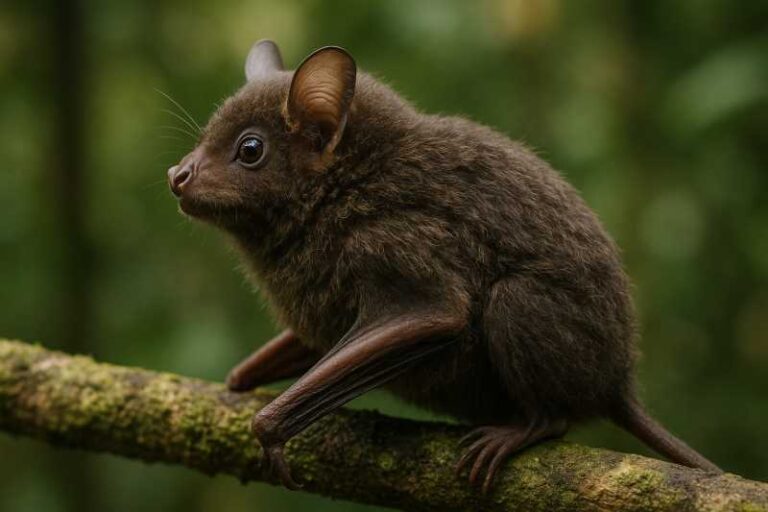
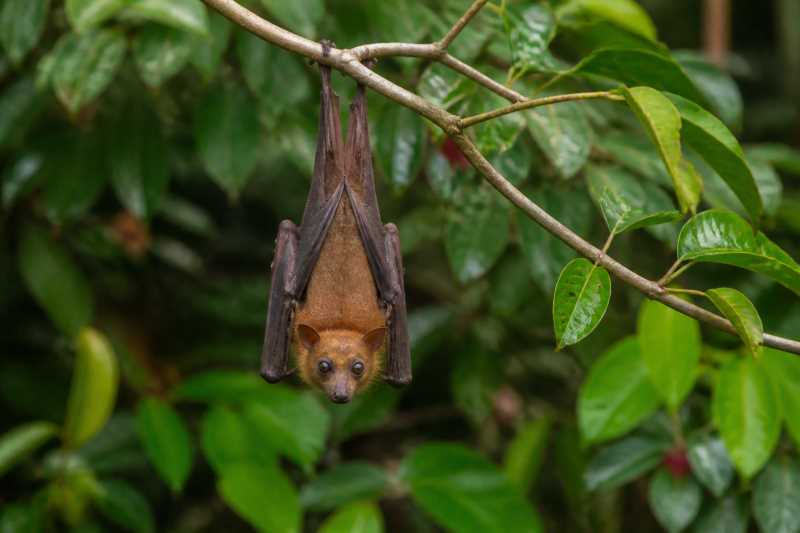
The Luzon Pygmy Fruit Bat is a relatively small member of the Pteropodidae family, characterized by its distinct features and adaptations. Typically weighing between 18 to 28 grams, this species has a wingspan ranging from 30 to 40 centimeters. Its fur is generally a soft brown or grayish color, providing it with excellent camouflage within its forested habitat.
A notable characteristic of this species is its cartilaginous nose leaf, which distinguishes it from other fruit bats. This unique structure aids in echolocation, allowing the bat to navigate and locate food effectively. Additionally, the Luzon Pygmy Fruit Bat has large eyes adapted for nocturnal vision, enabling it to forage at night. Its small size and agile flight make it well-suited to maneuver through dense foliage in search of fruit.
Range and Habitat
The distribution of the Luzon Pygmy Fruit Bat is confined to the island of Luzon, which is part of the Philippine archipelago. Within Luzon, it inhabits tropical and subtropical forests, primarily residing in lowland and montane regions. These bats are often found in primary and secondary forests, where they roost in tree hollows, caves, and occasionally man-made structures.
The species thrives in areas with abundant fruit-bearing trees, which serve as its primary food source. The preservation of these forested habitats is crucial for the survival of the Luzon Pygmy Fruit Bat, as deforestation poses a significant threat to its population. Conservation efforts aimed at protecting forest ecosystems are essential in ensuring the continued existence of this species.
Behavior and Diet
The Luzon Pygmy Fruit Bat is primarily nocturnal, emerging from its roosts at dusk to forage for food. Its diet consists predominantly of fruits, nectar, and occasionally leaves. The bat plays a pivotal role in seed dispersal, as it consumes fruit and subsequently excretes seeds at different locations, facilitating forest regeneration.
These bats are social creatures, often found in small groups or colonies. Communication among them includes a series of vocalizations and echolocation clicks, which help coordinate foraging activities and maintain group cohesion. The Luzon Pygmy Fruit Bat’s foraging activities contribute not only to its survival but also to the health of its forest habitat.
Identification Tips (Field Recognition Cues)
Identifying the Luzon Pygmy Fruit Bat in the field can be challenging due to its small size and nocturnal habits. However, certain cues can aid in its recognition:
- Size and Shape: Look for a small bat with a wingspan of 30 to 40 centimeters.
- Coloration: Note the soft brown or grayish fur that blends with the forest environment.
- Distinctive Nose Leaf: The cartilaginous nose leaf is a key feature, visible upon closer inspection.
- Flight Pattern: Observe its agile and rapid flight through dense foliage.
- Vocalizations: Listen for soft echolocation clicks and social calls during foraging hours.
Conservation Status (With Threats and Protections)
The Luzon Pygmy Fruit Bat is currently listed as Near Threatened on the IUCN Red List. The primary threat to its survival is habitat loss due to deforestation for agriculture, logging, and urban development. As forests are cleared or degraded, the available habitat for these bats diminishes, leading to population declines.
Conservation efforts are essential to protect this species and its habitat. Initiatives include the establishment of protected areas, reforestation projects, and community-based conservation programs that involve local stakeholders in sustainable land-use practices. Raising awareness about the ecological importance of the Luzon Pygmy Fruit Bat is also crucial in garnering support for its conservation.
Frequently Asked Questions
Why is this species unique?
The Luzon Pygmy Fruit Bat is unique due to its restricted range, being endemic to Luzon Island, and its specialized ecological role as a seed disperser. Its cartilaginous nose leaf and small size further distinguish it from other fruit bats.
What is the primary diet of the Luzon Pygmy Fruit Bat?
This bat primarily feeds on fruits, nectar, and occasionally leaves. It plays a vital role in seed dispersal, which is crucial for forest regeneration and ecosystem health.
How does deforestation affect the Luzon Pygmy Fruit Bat?
Deforestation leads to habitat loss and fragmentation, significantly impacting the Luzon Pygmy Fruit Bat by reducing its roosting and foraging areas. This habitat degradation poses a major threat to its survival.
What conservation measures are in place to protect this species?
Conservation measures include establishing protected areas, promoting reforestation, and engaging local communities in sustainable practices. These efforts aim to preserve the bat’s habitat and ensure its long-term survival.
Related posts