The Striped Owl (Asio clamator): A Fascinating Nocturnal Predator
The world of nocturnal birds is rich with diversity and intrigue, and among its most captivating members is the Striped Owl (Asio clamator). This medium-sized owl, known for its striking appearance and unique vocalizations, plays a vital role in the ecosystems it inhabits. Found across a broad range of habitats in Central and South America, the Striped Owl is a testament to the adaptability and evolutionary success of avian predators.
Physical Characteristics
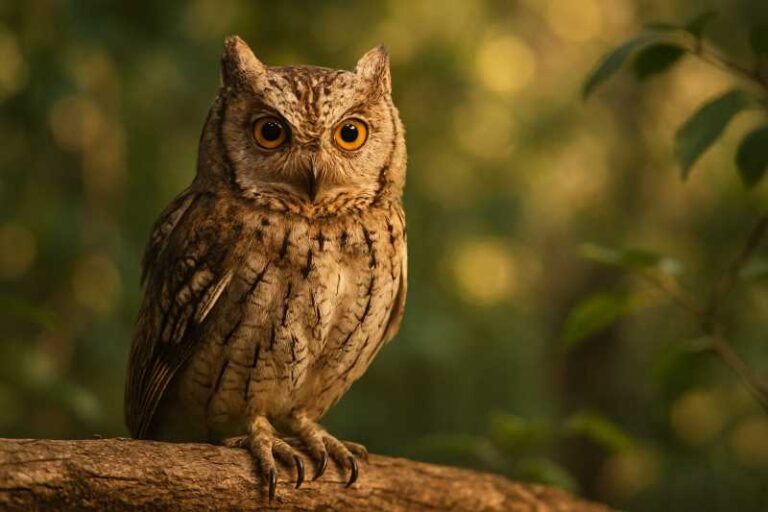
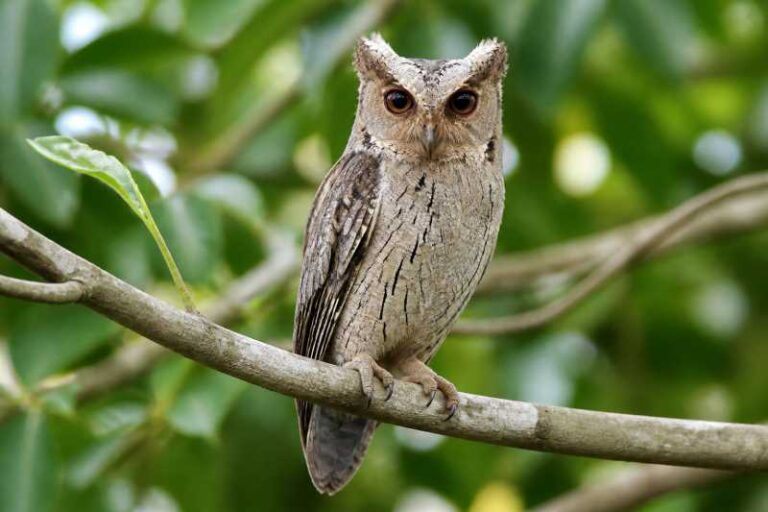
The Striped Owl is immediately recognizable due to its distinctive plumage and facial features. Adults typically measure between 33 to 38 centimeters in length, with a wingspan ranging from 90 to 110 centimeters. The owl’s most notable feature is its facial disk, which is framed by a dark border and accentuated by bold, vertical stripes that give the bird its name. The plumage is predominantly tawny or buff, with darker streaks and mottling that provide effective camouflage against the forest floor or tree bark.
Another striking feature is the owl’s long, prominent ear tufts, which, contrary to popular belief, are not related to its hearing capabilities. These tufts are thought to play a role in communication and display, potentially intimidating predators or rivals.
Habitat and Distribution
The Striped Owl exhibits a wide distribution across the Americas. Its range extends from southern Mexico through Central America and down into much of South America, including countries like Brazil, Argentina, and Paraguay. This owl thrives in a variety of environments, from humid tropical forests and dry savannas to open grasslands and agricultural areas. Its adaptability to different habitats is a key factor in its widespread presence.
Despite its adaptability, the Striped Owl has specific habitat preferences. It tends to favor areas where it can find dense vegetation for roosting during the day and open spaces for hunting at night. This preference is reflected in its distribution, as it is often found near forest edges, wooded savannas, and even urban areas where such conditions exist.
Diet and Hunting Behavior
As a nocturnal predator, the Striped Owl is primarily active during the night, using its keen senses to hunt for prey. Its diet is diverse, consisting mainly of small mammals like rodents, as well as birds, reptiles, and insects. The owl’s hunting strategy involves perching silently on a vantage point, scanning the ground with its exceptional night vision and acute hearing.
Once prey is detected, the Striped Owl employs a stealthy approach, gliding silently down to capture its target with sharp talons. This method of hunting not only highlights the owl’s impressive physical adaptations but also its role as a critical component of the ecosystem, controlling populations of small mammals and insects.
Behavior and Vocalizations
The Striped Owl is known for its distinctive calls, which vary from loud hoots to softer, more rhythmic sounds. These vocalizations are used for a variety of purposes, including territory defense, mate attraction, and communication between pairs. During the breeding season, which varies depending on the region, males can often be heard calling to females in a series of hoots that resonate through the night.
Socially, the Striped Owl is generally solitary except during the breeding season when pairs form temporary bonds. Nesting occurs in tree cavities, abandoned nests of other large birds, or even on the ground in well-concealed locations. The female typically lays two to four eggs, which are incubated for about a month. After hatching, the young are cared for by both parents until they are ready to fledge.
Conservation Status
Currently, the Striped Owl is classified as ‘Least Concern’ by the International Union for Conservation of Nature (IUCN). This classification reflects its broad distribution and adaptability to various habitats. However, like many wildlife species, the Striped Owl faces threats from habitat loss due to deforestation, agricultural expansion, and urban development.
Conservation efforts are essential to ensure that the Striped Owl continues to thrive in its natural environment. Protecting large areas of suitable habitat, promoting sustainable agricultural practices, and raising public awareness about the ecological role of owls can contribute significantly to the conservation of this fascinating species.
Conclusion
The Striped Owl is a remarkable example of nature’s diversity and adaptability. Its striking appearance, unique vocalizations, and effective predatory skills make it a subject of interest for ornithologists and bird enthusiasts alike. As we continue to study and understand this species, it is crucial to consider the broader environmental challenges it faces and to implement measures that will protect its habitat and ensure its survival for future generations to appreciate.
The Striped Owl’s story is a reminder of the delicate balance within ecosystems and the interconnectedness of all living things. By understanding and conserving the habitats that support these nocturnal hunters, we help preserve the intricate web of life that sustains our planet.
Related posts