Introduction
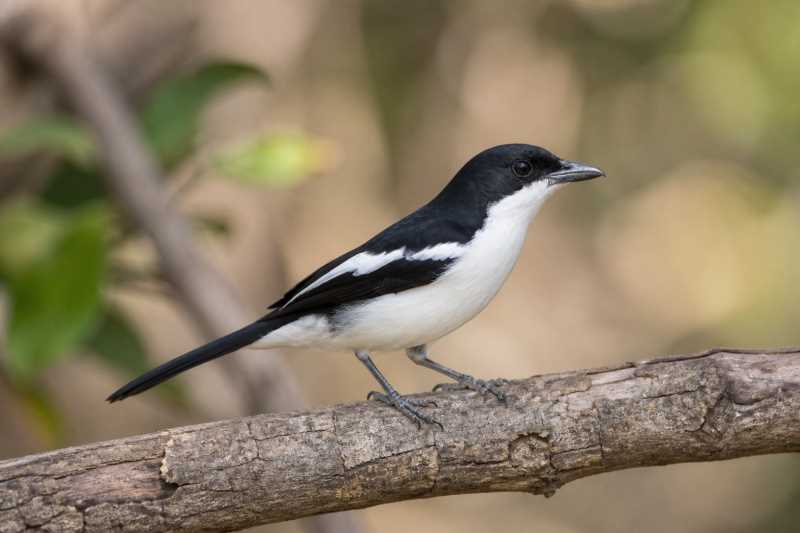
The Swamp Boubou, scientifically known as Laniarius bicolor, is a captivating bird species belonging to the Malaconotidae family. Renowned for its distinctive vocalizations and striking plumage, this bird is native to the wetlands and swampy regions of sub-Saharan Africa. In this article, we explore the Swamp Boubou’s physical characteristics, habitat, behavior, diet, breeding patterns, and conservation status, providing a comprehensive overview of this remarkable avian species.
Physical Characteristics
The Swamp Boubou is a medium-sized bird, typically measuring between 20 to 23 centimeters in length. It possesses a robust body, short wings, and a moderately long tail, which it often flicks while foraging. The bird’s plumage is strikingly bicolored, as its name suggests, with a predominantly black upper body and a contrasting white underbody. Its black head is highlighted by a distinctive white eyebrow stripe, giving it a bold and charismatic appearance.
The Swamp Boubou’s beak is strong and slightly hooked, adapted for its omnivorous diet. Its legs are sturdy, aiding in its ability to navigate through dense vegetation in swampy areas. Both males and females share similar plumage, making it challenging to differentiate between the sexes based solely on appearance.
Habitat and Distribution
Laniarius bicolor is primarily found in the wetlands, swamps, and riverine forests of sub-Saharan Africa. Its range spans several countries, including Angola, Botswana, Namibia, South Africa, and Zambia, among others. The bird thrives in habitats with dense vegetation, such as reed beds, papyrus swamps, and thickets near water bodies.
The Swamp Boubou’s preference for swampy environments is linked to its feeding habits and nesting behavior. The dense vegetation provides ample cover and a rich supply of insects, which constitute a significant portion of its diet. Additionally, these habitats offer suitable nesting sites, where the birds can raise their young safely away from predators.
Behavior and Vocalizations
The Swamp Boubou is known for its distinctive and melodious vocalizations, which are often heard before the bird is seen. These calls, typically a series of whistles, clicks, and harsh notes, serve various purposes, including territory defense, mate attraction, and communication with other members of its species. The bird is also known to mimic the calls of other birds, adding to its vocal repertoire.
Swamp Boubous are generally monogamous and territorial, often seen in pairs or small family groups. They exhibit a range of behaviors to defend their territory, including vocal displays and physical confrontations. The bird’s territorial nature is crucial for securing resources and breeding sites within its swampy habitat.
Diet and Feeding Habits
The Swamp Boubou’s diet is diverse, reflecting its adaptability to different food sources within its habitat. Primarily insectivorous, the bird feeds on a variety of insects, spiders, and other invertebrates, which it gleans from vegetation or captures on the wing. Its strong, hooked beak is well-suited for handling and processing prey.
In addition to insects, the Swamp Boubou may also consume small vertebrates, such as frogs and lizards, as well as plant matter like seeds and fruits. This omnivorous diet allows the bird to take advantage of seasonal food availability, ensuring its survival in fluctuating environmental conditions.
Breeding and Nesting
Swamp Boubous typically breed during the wet season, when food resources are abundant, and nesting sites are readily available. The breeding pair engages in cooperative nesting, with both the male and female participating in building the nest, incubating the eggs, and feeding the chicks.
The nest is usually a cup-shaped structure made of twigs, grasses, and other plant materials, carefully concealed within dense vegetation to protect it from predators. The female typically lays two to three eggs, which are incubated for about two weeks. After hatching, the chicks are fed by both parents and fledge within three weeks.
Conservation Status and Threats
Currently, the Swamp Boubou is classified as a species of "Least Concern" by the International Union for Conservation of Nature (IUCN). However, its habitat is increasingly threatened by human activities such as agriculture, drainage of wetlands, and urban development, which lead to habitat loss and degradation.
Conservation efforts for the Swamp Boubou focus on protecting its natural habitat, particularly wetlands and swampy areas, through sustainable land-use practices and the establishment of protected areas. Continued research and monitoring of the species’ population trends are essential to ensure its long-term survival.
Conclusion
The Swamp Boubou (Laniarius bicolor) is a fascinating bird species, well-adapted to the swampy environments of sub-Saharan Africa. Its striking appearance, melodious calls, and unique behaviors make it a subject of interest for bird enthusiasts and researchers alike. While currently not threatened, ongoing conservation efforts are vital to preserving its habitat and ensuring the species’ continued existence in the face of environmental challenges.
Related posts