The Fascinating World of the Pale-bellied White-eye (Zosterops consobrinorum)
The Pale-bellied White-eye, scientifically known as Zosterops consobrinorum, is a captivating bird species that belongs to the Zosteropidae family. This small passerine bird is native to several regions in the Pacific, with a primary presence in the lush tropical environments of the Solomon Islands. Its distinct physical features and intriguing behaviors make it a subject of interest for ornithologists and bird enthusiasts alike.
Physical Characteristics
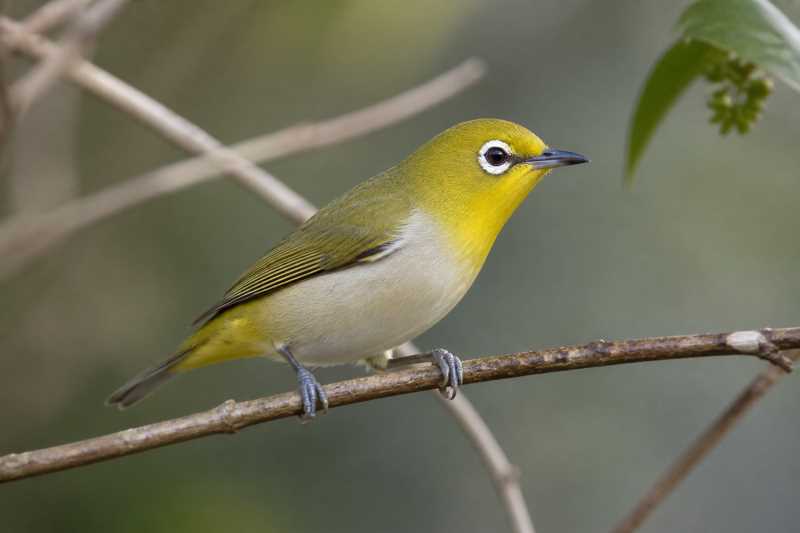
The Pale-bellied White-eye is easily recognizable by its distinctive appearance. As its name suggests, this bird features a pale underside, which contrasts beautifully with its olive-green upper body. One of the most striking features of the Zosterops consobrinorum is the prominent white ring around its eyes, a characteristic trait of the White-eye family. This ring not only enhances its visual appeal but also aids in the identification of the species in its natural habitat.
These birds are relatively small, with an average length of about 11 cm. Their compact size, coupled with their agile flight, allows them to maneuver swiftly through the dense foliage of their forested homes. The Pale-bellied White-eye also exhibits a slender, pointed bill, ideal for foraging on a diet primarily consisting of insects, fruits, and nectar.
Habitat and Distribution
The natural habitat of the Pale-bellied White-eye is predominantly found in subtropical or tropical moist lowland forests. The Solomon Islands, located in the southwestern Pacific Ocean, provide an ideal environment for these birds, offering abundant food sources and suitable nesting sites. The islands’ diverse ecosystems, ranging from coastal mangroves to mountainous forests, support a wide variety of avian life, with the Pale-bellied White-eye being one notable example.
Due to its limited geographical range, the Pale-bellied White-eye is considered endemic to the Solomon Islands. This restricted distribution highlights the importance of habitat conservation to ensure the survival of the species. Although the exact population size is not well-documented, ongoing habitat loss poses a significant threat to their continued existence.
Behavior and Ecology
Pale-bellied White-eyes are social birds, often observed in small flocks. This social behavior is particularly evident during foraging activities, where they exhibit cooperative feeding strategies to maximize food intake. Their diet is diverse, consisting of insects, spiders, and a variety of fruits and berries. The consumption of nectar from flowers also plays a significant role in their diet, making them important pollinators within their ecosystem.
The breeding season for the Pale-bellied White-eye typically coincides with the availability of food resources, ensuring that the chicks have ample sustenance during their developmental stages. Nests are usually constructed high in the canopy, providing protection from ground-based predators. These cup-shaped nests are intricately woven using plant fibers, twigs, and leaves, demonstrating the birds’ remarkable nest-building skills.
Conservation Status
The conservation status of the Pale-bellied White-eye is currently listed as "Near Threatened" by the International Union for Conservation of Nature (IUCN). This classification is primarily due to ongoing habitat degradation, driven by deforestation and land-use changes in the Solomon Islands. The expansion of agriculture and logging activities continues to encroach upon the natural habitats critical for the survival of many endemic species, including the Pale-bellied White-eye.
Efforts to protect these unique birds involve habitat preservation and restoration initiatives. Conservation organizations are working alongside local communities to promote sustainable land-use practices that balance ecological needs with economic development. Additionally, further research is needed to gain a comprehensive understanding of the species’ population dynamics and ecological requirements.
Importance in Ecosystem
The Pale-bellied White-eye plays a vital role in its ecosystem, particularly in terms of pollination and seed dispersal. As these birds forage on nectar, they inadvertently transfer pollen from one flower to another, facilitating cross-pollination. This process is crucial for the reproduction of many plant species within their habitat.
Moreover, by consuming fruits and subsequently dispersing seeds through their droppings, the Pale-bellied White-eye contributes to the regeneration of plant communities. This seed dispersal mechanism is essential for maintaining the biodiversity and resilience of their native ecosystems.
Conclusion
The Pale-bellied White-eye, with its striking appearance and ecological significance, is a testament to the rich biodiversity of the Solomon Islands. While facing challenges due to human-induced habitat changes, concerted conservation efforts can help safeguard the future of this remarkable species. Continued research and community engagement are imperative to ensure that the enchanting songs and vibrant presence of the Pale-bellied White-eye continue to grace the forests of the Pacific for generations to come.
Related posts