Introduction
Pocock’s New Guinea Highland Rat, scientifically known as Rattus pococki, is a fascinating and lesser-known mammal species native to the mountainous regions of New Guinea. This rodent is part of the Muridae family and plays a crucial role in the complex ecosystem of its habitat. This article delves into the unique characteristics, habitat, behavior, and conservation status of this elusive species, providing a comprehensive overview for enthusiasts and researchers alike.
Physical Description
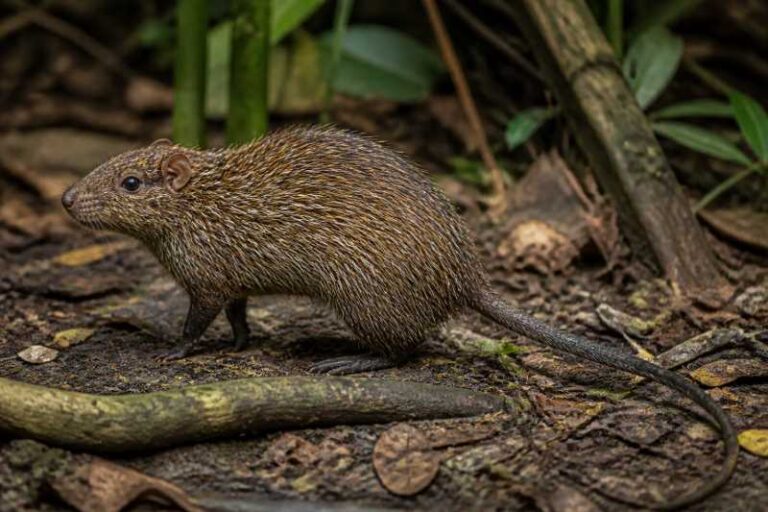
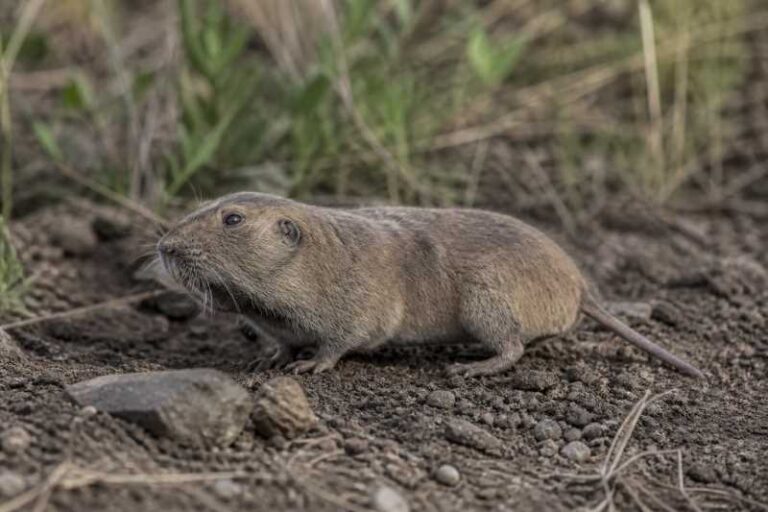
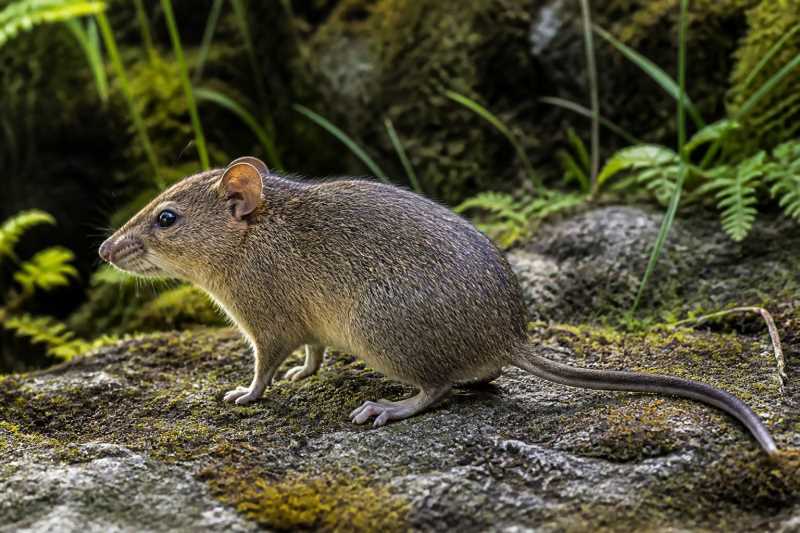
Rattus pococki possesses distinct physical traits that set it apart from other rodents in the New Guinea region. This medium-sized rat has a body length ranging from 15 to 20 centimeters, with a tail that typically matches or slightly exceeds the body length, aiding in balance and navigation through its arboreal environment.
The fur of Pocock’s New Guinea Highland Rat is dense and soft, primarily colored in shades of brown and gray, which provides excellent camouflage against the forest floor and vegetation. The underbelly is lighter, often showcasing a white or light gray hue. Its ears are rounded and relatively small, while the eyes are large and adapted for its nocturnal lifestyle.
Range and Habitat
Rattus pococki is endemic to the highland regions of New Guinea, specifically thriving in montane forests. These forests, characterized by their lush, dense vegetation and high humidity levels, provide an ideal environment for this species. The rat is commonly found at altitudes ranging from 1,500 to 3,000 meters above sea level, where it can exploit the rich resources available.
The habitat of Pocock’s New Guinea Highland Rat is crucial for its survival, offering a plethora of food sources and protection from predators. The dense forest canopy also serves as a critical environment for nesting and raising young, highlighting the importance of forest conservation efforts in New Guinea.
Behavior and Diet
Pocock’s New Guinea Highland Rat is primarily nocturnal, exhibiting peak activity during the night when it forages for food. Its diet is omnivorous, consisting of fruits, seeds, small insects, and occasionally small vertebrates, allowing it to adapt to the varying resources available in its montane environment.
The social structure of Rattus pococki is not well-documented, but it is believed to be solitary or living in small family groups. The species is known for its agility and climbing prowess, utilizing the forest canopy to escape predators and search for food. Its nocturnal habits are complemented by keen senses of hearing and smell, aiding in its survival strategy.
Identification Tips (Field Recognition Cues)
Identifying Pocock’s New Guinea Highland Rat in the wild can be challenging due to its elusive nature and the dense habitat it occupies. However, several key cues can aid in its identification:
- Size and Coloration: Look for a medium-sized rat with a body length of 15-20 cm and a matching tail length. Its fur is predominantly brown and gray, providing effective camouflage.
- Habitat: Focus on montane forest areas at altitudes between 1,500 and 3,000 meters.
- Activity Patterns: Observe nocturnal activity, as this species is primarily active at night.
- Behavior: Note agile climbing behavior and cautious movements in the forest canopy.
Conservation Status (With Threats and Protections)
Currently, there is limited data on the precise conservation status of Rattus pococki, primarily due to its elusive nature and the challenging terrain it inhabits. However, like many species endemic to New Guinea, it faces potential threats from habitat loss due to logging, agricultural expansion, and climate change.
Conservation efforts are vital for protecting the montane forests that serve as the primary habitat for this species. Initiatives to curb deforestation and promote sustainable land use practices are essential for ensuring the survival of Pocock’s New Guinea Highland Rat. Continued research and monitoring are also necessary to better understand the population dynamics and ecological role of this species.
Frequently Asked Questions
Why is this species unique?
Pocock’s New Guinea Highland Rat is unique due to its specialized adaptations for life in high-altitude montane forests. Its physical characteristics and nocturnal behavior set it apart from other rodent species in the region.
What are the main threats to its survival?
The main threats to Rattus pococki include habitat destruction from logging and agricultural expansion, as well as potential impacts from climate change. Conservation efforts are crucial to mitigate these threats.
How can we help in its conservation?
Supporting conservation initiatives that focus on preserving New Guinea’s montane forests is vital. Raising awareness and promoting sustainable land use practices can also contribute to the protection of this species.
What does its diet consist of?
The diet of Pocock’s New Guinea Highland Rat is diverse, including fruits, seeds, insects, and occasionally small vertebrates, reflecting its omnivorous feeding habits.
Where can this species be found?
Rattus pococki is found in the highland regions of New Guinea, specifically in montane forests at altitudes between 1,500 and 3,000 meters.
Related posts