Introduction
The Southwestern Water Vole (Arvicola sapidus), a small semi-aquatic rodent, plays a vital role in maintaining the health of wetland ecosystems across southwestern Europe. Known for its elusive nature and adaptability, the Southwestern Water Vole is a species of particular interest to conservationists due to its unique habitat requirements and declining populations. This article explores various aspects of the Southwestern Water Vole, from its physical characteristics to its behavior, habitat, and conservation status.
Physical Description
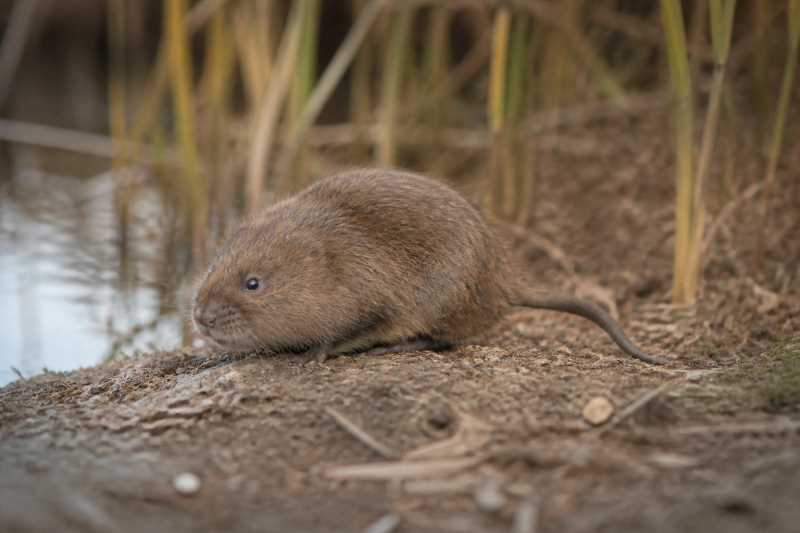
The Southwestern Water Vole is a medium-sized vole, distinguishable by its robust body and relatively large size compared to other vole species. Adult Southwestern Water Voles typically measure between 16 to 22 centimeters in body length, with a tail length ranging from 9 to 12 centimeters. This species exhibits sexual dimorphism, with males being slightly larger than females.
The fur of the Southwestern Water Vole is dense and water-repellent, an adaptation that aids in its semi-aquatic lifestyle. The dorsal fur is usually a rich brown color, while the ventral side is lighter, often a grayish-white. The vole’s rounded ears are small and partially concealed by fur, and its eyes are small and bead-like, suited for a life spent mostly in burrows and near water.
Range and Habitat
The Southwestern Water Vole is predominantly found in the Iberian Peninsula, including Spain, Portugal, and parts of southern France. Its distribution is largely influenced by the availability of suitable wetland habitats, which include rivers, streams, marshes, and irrigated agricultural lands.
These voles prefer habitats with abundant vegetation, which provides both food and cover from predators. Riparian zones, characterized by dense plant growth along water bodies, are particularly critical for their survival. The presence of slow-moving or still water bodies is essential as they use these for feeding and escape routes.
Behavior and Diet
Southwestern Water Voles are primarily crepuscular, being most active during dawn and dusk. They are known for their burrowing behavior, creating extensive networks of tunnels along the banks of waterways. These burrows serve as protection from predators and harsh weather conditions.
The diet of the Southwestern Water Vole is largely herbivorous, consisting mainly of grasses, reeds, and aquatic plants. They have been observed to feed on a variety of plant materials, including roots, leaves, and stems. Occasionally, they may consume small invertebrates, but this constitutes a minor part of their diet.
Identification Tips
Field recognition of the Southwestern Water Vole can be challenging due to their elusive nature and similarity to other vole species. However, several characteristics can aid in identification:
- Size and Shape: Look for a medium-sized vole with a robust body and relatively long tail.
- Fur Coloration: Observe the rich brown dorsal fur contrasting with the lighter ventral side.
- Habitat: Note the proximity to water bodies and dense vegetation, typical vole habitats.
- Burrow Entrances: Identify burrow entrances along riverbanks, often marked by piles of excavated soil.
Conservation Status
The Southwestern Water Vole is classified as Near Threatened on the IUCN Red List. The primary threats to this species include habitat loss due to agricultural intensification, water pollution, and the destruction of wetlands. Additionally, the introduction of non-native predators, such as mink, poses a significant risk.
Conservation efforts are focused on habitat restoration and protection, controlling invasive species, and monitoring populations. Legal protections are in place in several regions, aiming to preserve both the species and its critical habitats.
Frequently Asked Questions
1. What is the lifespan of a Southwestern Water Vole?
Southwestern Water Voles typically live for 1 to 2 years in the wild. Their lifespan can be influenced by factors such as predation, habitat quality, and environmental conditions.
2. How do Southwestern Water Voles contribute to their ecosystem?
These voles play a crucial role in their ecosystem by promoting plant growth through their foraging activities and serving as prey for a variety of predators, thus maintaining the ecological balance.
3. Are Southwestern Water Voles solitary or social animals?
Southwestern Water Voles are generally solitary, with individuals maintaining separate territories. However, they may exhibit social behaviors during the breeding season.
4. What measures are being taken to protect Southwestern Water Voles?
Conservation measures include habitat protection, controlling invasive species, and environmental monitoring to ensure sustainable populations of the Southwestern Water Vole.
5. Can Southwestern Water Voles adapt to changes in their environment?
While they have some adaptability, significant changes such as habitat destruction and pollution can severely impact Southwestern Water Vole populations. Conservation efforts focus on mitigating these changes to support their survival.
Related posts