Introduction
The Oku Mouse Shrew, scientifically known as Myosorex okuensis, is a fascinating small mammal belonging to the Soricidae family. This elusive species is endemic to the high-altitude regions of Cameroon, particularly in the Oku mountain forests. Despite its diminutive size, the Oku Mouse Shrew plays a crucial role in its ecosystem, acting as both predator and prey in the intricate web of life in the montane forests. Understanding the life and habits of this unique creature is essential for preserving the biodiversity of its habitat and ensuring the ecological balance of the region.
Physical Description
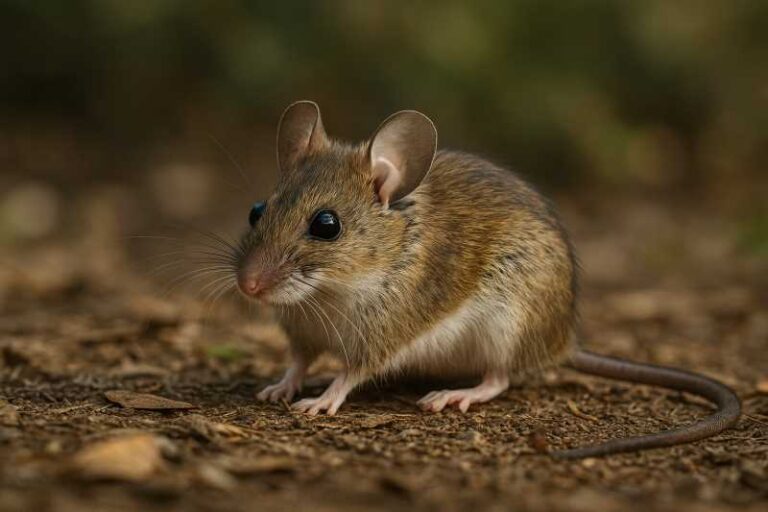
The Oku Mouse Shrew is characterized by its small, compact body, which measures approximately 5 to 7 centimeters in length, excluding the tail. The tail itself is relatively short, measuring about 3 to 5 centimeters, and is covered with sparse hair. The shrew’s body is covered with dense, velvety fur that is predominantly dark brown on the back and lighter on the underbelly, providing effective camouflage amidst the forest floor’s leaf litter.
Its pointed snout and small, beady eyes are well-adapted for its insectivorous diet, allowing it to forage efficiently in the undergrowth. The ears are small and rounded, barely visible beneath the fur, which helps minimize heat loss in the cooler montane climate. The Oku Mouse Shrew’s limbs are short yet strong, with sharp claws that facilitate digging and burrowing through the soil and leaf litter.
Range and Habitat
The Oku Mouse Shrew is endemic to the montane forests of the Cameroon Highlands, specifically within the Kilum-Ijim Forest area surrounding Mount Oku. This restricted range makes it particularly vulnerable to habitat changes. The shrew thrives at elevations ranging from 1,800 to 3,000 meters, where the climate is cooler and more humid compared to the surrounding lowlands.
These montane forests are characterized by dense canopies, rich undergrowth, and a thick layer of leaf litter, which provides both food and shelter for the shrews. The area is rich in biodiversity, supporting a variety of plant and animal species that coexist in this unique ecosystem. The presence of permanent streams and moisture-rich soil also contributes to the suitability of this habitat for the Oku Mouse Shrew.
Behavior and Diet
The Oku Mouse Shrew is primarily nocturnal, spending the daylight hours hidden beneath the forest undergrowth and becoming active at night to forage for food. Its diet is mainly comprised of insects, spiders, and other small invertebrates, which it hunts using its keen sense of smell and hearing. The shrew’s long, sensitive whiskers play a key role in navigating its dark environment and detecting prey.
Despite its solitary nature, the Oku Mouse Shrew is known to communicate with others of its kind through high-pitched vocalizations, particularly during the breeding season. These vocalizations are thought to play a role in mate attraction and territory establishment. The species is also known for its rapid metabolism, requiring it to consume a diet rich in protein to sustain its energy levels.
Identification Tips
Identifying the Oku Mouse Shrew in the field can be challenging due to its small size and elusive nature. However, certain characteristics can aid in recognition:
- Size and Build: Look for a small, compact mammal with a body length of 5 to 7 centimeters and a tail of 3 to 5 centimeters.
- Fur Color: Note the dark brown coloration on the back and the lighter underbelly, which can help distinguish it from other small mammals in the area.
- Behavior: The Oku Mouse Shrew is primarily nocturnal, so sightings are more likely at night.
- Habitat: Focus on the montane forests in the Kilum-Ijim area, particularly in regions with dense leaf litter and rich undergrowth.
Conservation Status
The conservation status of the Oku Mouse Shrew is currently categorized as Vulnerable by the International Union for Conservation of Nature (IUCN). The primary threat to this species is habitat loss due to deforestation, agricultural expansion, and human encroachment. The montane forests of Cameroon are increasingly being cleared for farming and logging, which reduces the available habitat for the shrew and other endemic species.
Efforts to protect the Oku Mouse Shrew include the establishment of protected areas within its range, such as the Kilum-Ijim Forest Reserve. Conservation programs aim to promote sustainable land-use practices and raise awareness about the importance of preserving these unique habitats. Additionally, research and monitoring initiatives are crucial for understanding population trends and implementing effective conservation strategies.
Frequently Asked Questions
What is the primary diet of the Oku Mouse Shrew?
The Oku Mouse Shrew primarily feeds on insects, spiders, and small invertebrates. Its diet is rich in protein, which is essential for sustaining its high metabolism.
Where can the Oku Mouse Shrew be found?
This species is endemic to the montane forests of the Cameroon Highlands, specifically in the Kilum-Ijim Forest surrounding Mount Oku.
Why is the Oku Mouse Shrew considered vulnerable?
The Oku Mouse Shrew is vulnerable due to habitat loss caused by deforestation, agricultural expansion, and human encroachment in its limited range.
How does the Oku Mouse Shrew communicate?
The Oku Mouse Shrew communicates through high-pitched vocalizations, especially during the breeding season, which helps in mate attraction and territory establishment.
What conservation efforts are in place for the Oku Mouse Shrew?
Conservation efforts include the establishment of protected areas like the Kilum-Ijim Forest Reserve and promoting sustainable land-use practices to preserve its habitat.
Related posts