Sommer’s Sulawesi Rat: An In-depth Exploration
Introduction
Sommer’s Sulawesi Rat, scientifically known as Sommeromys macrorhinos, is a captivating rodent species endemic to the lush, biodiverse island of Sulawesi in Indonesia. First described in scientific literature in the early 21st century, this elusive mammal has become a subject of interest for researchers and wildlife enthusiasts alike. Its discovery added a new layer of complexity to the already rich tapestry of Sulawesi’s unique fauna. This article delves into the fascinating world of Sommer’s Sulawesi Rat, covering its physical characteristics, natural habitat, behaviors, and conservation status.
Physical Description
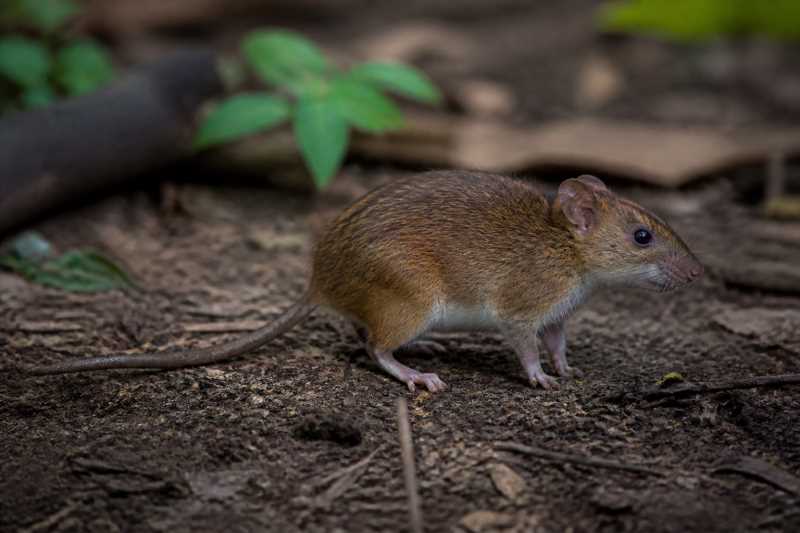
Sommer’s Sulawesi Rat is a small, yet distinctive rodent, characterized by its elongated nose, which is a defining feature among its peers. The species exhibits a soft, dense fur that ranges in color from a muted grey to a light brown, providing excellent camouflage against the forest floor. Adults typically weigh around 40 to 60 grams and measure approximately 15 to 20 centimeters in length, not including the tail, which is nearly as long as their body and helps in maintaining balance while navigating their arboreal environment.
The rat’s eyes are relatively large, an adaptation that enhances its nocturnal lifestyle, allowing it to forage effectively at night. Its ears are rounded and moderately sized, contributing to its acute sense of hearing, which is crucial for detecting predators and communicating with conspecifics. The species also boasts elongated hind limbs, which aid in climbing and leaping between branches, a necessary skill given its arboreal tendencies.
Range and Habitat
Sommer’s Sulawesi Rat is found exclusively on the island of Sulawesi, a region renowned for its high degree of endemism. The rat inhabits the island’s central mountainous regions, particularly in primary and secondary forest areas, where the canopy is dense and the understory is rich with vegetation. These forests provide the ideal conditions for shelter and foraging, with a plethora of fruits, seeds, and insects available throughout the year.
Altitude plays a significant role in the distribution of Sommer’s Sulawesi Rat, as it is predominantly found at elevations ranging from 1,000 to 2,000 meters above sea level. This preference for higher altitudes means the species often resides in cooler, more humid environments, which are less disturbed by human activities compared to lowland areas.
Behavior and Diet
Primarily nocturnal, Sommer’s Sulawesi Rat exhibits behaviors typical of many rodent species. It is a solitary creature, with individuals coming together only during the breeding season. During the day, they seek refuge in nests made from leaves and twigs, situated in the trees or among dense undergrowth. At night, they become active, foraging for food and exploring their territory.
The diet of Sommer’s Sulawesi Rat is omnivorous, consisting mainly of fruits, seeds, and insects. This varied diet not only provides the necessary nutrients for survival but also reflects the rat’s adaptability to its environment. Its foraging behavior plays a crucial role in seed dispersal, contributing to the ecological health of its forest habitat.
Identification Tips
Identifying Sommer’s Sulawesi Rat in the field requires attention to several key characteristics:
- Elongated Nose: The species’ pronounced nose sets it apart from other rodents in the region.
- Tail Length: Look for a tail that is roughly equivalent in length to its body, aiding in balance and mobility.
- Fur Coloration: Note the grey to light brown fur, which provides effective camouflage.
- Large Eyes and Ears: These features are indicative of its nocturnal nature.
- Arboreal Activity: Observing the rat in trees can be a strong identification cue, as it is adapted to an arboreal lifestyle.
Conservation Status
The International Union for Conservation of Nature (IUCN) currently classifies Sommer’s Sulawesi Rat as Near Threatened. Although its population is stable, the rat faces several threats that could impact its future survival. Habitat destruction, primarily due to logging and agricultural expansion, poses the most significant risk. As forests are cleared, the rat’s habitat diminishes, leading to potential declines in population numbers.
Conservation efforts are essential to safeguard this species. Protected areas in Sulawesi offer some refuge, but increased conservation measures are needed to address habitat loss. Promoting sustainable land-use practices and enforcing logging restrictions are critical steps toward ensuring the long-term survival of Sommer’s Sulawesi Rat.
Frequently Asked Questions
What is the primary diet of Sommer’s Sulawesi Rat?
Sommer’s Sulawesi Rat is omnivorous, feeding on a variety of fruits, seeds, and insects found in its forest habitat.
Where can Sommer’s Sulawesi Rat be found?
This species is endemic to the island of Sulawesi, Indonesia, particularly in the central mountainous regions at altitudes between 1,000 and 2,000 meters.
How does Sommer’s Sulawesi Rat contribute to its ecosystem?
By dispersing seeds through its foraging activities, Sommer’s Sulawesi Rat plays a vital role in maintaining the ecological balance and promoting forest regeneration.
What are the threats facing Sommer’s Sulawesi Rat?
The primary threats include habitat destruction due to logging and agricultural expansion, which reduce the available natural habitat for the species.
How can Sommer’s Sulawesi Rat be protected?
Conservation efforts such as establishing protected areas, promoting sustainable land use, and implementing logging restrictions are crucial for the species’ protection.
Related posts