Introduction
The Sumatran Mountain Rat (Rattus korinchi) is a fascinating yet lesser-known species of rodent that inhabits the high-altitude regions of Sumatra, Indonesia. Known for its adaptability to mountainous terrains and distinct physical attributes, this species offers unique insights into the diverse rodent family. As an integral component of its ecosystem, understanding the Sumatran Mountain Rat’s role in its natural habitat is crucial for conservation efforts.
Physical Description
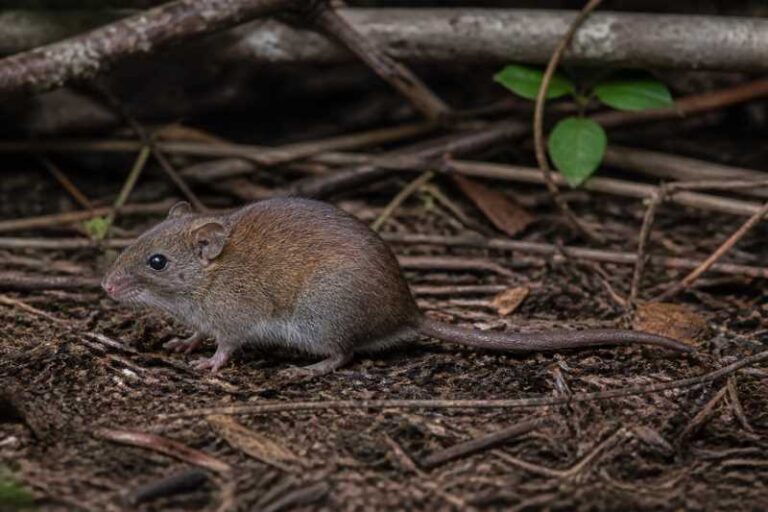
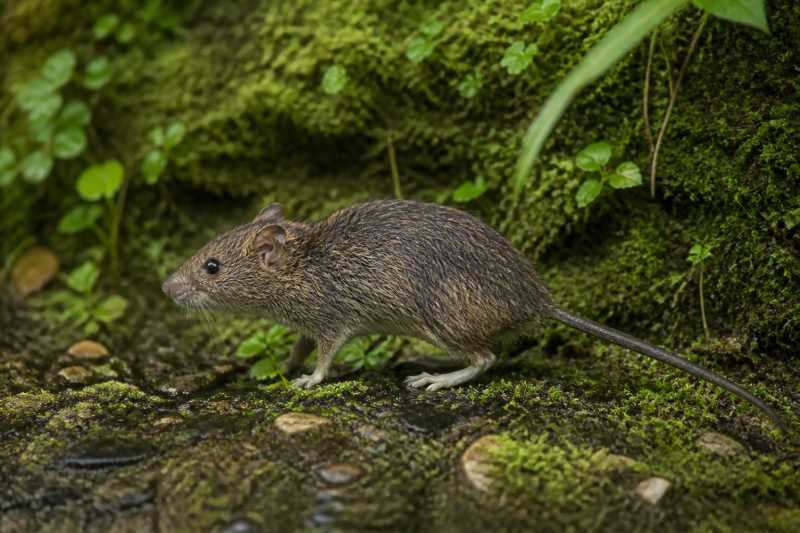
The Sumatran Mountain Rat is characterized by its small to medium size, adapted for survival in the harsh conditions of its mountainous environment. They typically measure about 18 to 22 cm in body length, with a tail that is slightly shorter than their body. The fur is soft and dense, providing insulation against cold temperatures. It displays a dark brown to black coloration that helps it blend into the rocky and forested landscapes of its habitat. Their eyes are relatively large, reflecting their nocturnal lifestyle, while their ears are small and rounded, aiding in heat retention.
The limbs of the Sumatran Mountain Rat are strong and agile, with hind legs slightly longer than the forelimbs, which facilitates climbing and digging. Their feet are equipped with sharp claws, essential for gripping rocky surfaces and manipulating objects while foraging.
Range and Habitat
Rattus korinchi is endemic to the highlands of Sumatra, Indonesia. It primarily dwells in montane forests, which are lush with vegetation and offer a plethora of food sources. These forests are situated at elevations ranging from 1,500 to 3,000 meters above sea level, where the climate is cooler and more humid than the lowland areas.
The Sumatran Mountain Rat thrives in these environments, utilizing the dense undergrowth and rocky outcrops for shelter and protection. Their habitat is rich in biodiversity, providing ample opportunities for foraging. However, this specialization in montane habitats makes them vulnerable to habitat disturbances such as deforestation and climate change.
Behavior and Diet
The Sumatran Mountain Rat exhibits nocturnal behavior, being most active during the night. This adaptation helps them avoid daytime predators and take advantage of cooler temperatures. They are solitary creatures, although they may sometimes be seen in small groups, particularly during foraging.
Their diet is omnivorous, consisting of fruits, seeds, insects, and small invertebrates. This varied diet allows them to adapt to seasonal changes in food availability. They are known to be opportunistic feeders, often seen rummaging through leaf litter and undergrowth in search of sustenance. Their strong sense of smell aids in locating food, while their sharp incisors are effective for gnawing through tough plant material and capturing prey.
Identification Tips (Field Recognition Cues)
Identifying the Sumatran Mountain Rat in the wild involves noting key physical and behavioral traits:
- Size and Proportions: Look for a rodent with a body length of 18-22 cm and a slightly shorter tail. The tail is less conspicuous than that of many other rat species.
- Fur Coloration: Observe the dark brown to black fur, which is dense and provides excellent camouflage in their natural environment.
- Ear and Eye Size: The small, rounded ears and relatively large eyes are distinctive, aiding in heat retention and nocturnal vision.
- Habitat: They are found in high-altitude montane forests, so sightings are limited to these specific areas.
- Behavior: Nocturnal activity patterns and solitary nature are key behavioral cues.
Conservation Status (with Threats and Protections)
The Sumatran Mountain Rat is currently listed as Near Threatened on the IUCN Red List. Major threats to their survival include habitat loss due to deforestation for agriculture and logging, as well as climate change impacting their montane ecosystems.
Conservation efforts are crucial to ensuring the survival of this species. Protected areas and national parks within Sumatra provide some level of habitat preservation. Additionally, initiatives to curb illegal logging and promote sustainable agriculture are essential in mitigating habitat destruction.
Research into the species’ ecology and population dynamics is also vital for informed conservation strategies. Engaging local communities in conservation efforts can further enhance the protective measures for the Sumatran Mountain Rat.
Frequently Asked Questions
- What is the habitat of the Sumatran Mountain Rat?
The Sumatran Mountain Rat inhabits the high-altitude montane forests of Sumatra, Indonesia, typically found at elevations of 1,500 to 3,000 meters.
- How can I identify a Sumatran Mountain Rat?
Look for a rodent with dark brown to black dense fur, a body length of 18-22 cm, and nocturnal behavior. They have small, rounded ears and relatively large eyes.
- What threats do Sumatran Mountain Rats face?
The primary threats include habitat loss due to deforestation and climate change impacting their montane forest ecosystems.
- Are Sumatran Mountain Rats nocturnal?
Yes, they are nocturnal, being most active during the night to avoid predators and take advantage of cooler temperatures.
- What do Sumatran Mountain Rats eat?
They have an omnivorous diet, consuming fruits, seeds, insects, and small invertebrates, which allows them to adapt to various food availabilities.
Related posts