Introduction
Allen’s Wood Mouse, scientifically known as Hylomyscus alleni, is a fascinating small mammal that inhabits the lush forests of Central and West Africa. This elusive rodent is notable for its adaptability and plays a crucial role in the ecological balance of its habitat. Despite being lesser-known compared to other mammalian species, Allen’s Wood Mouse is an intriguing subject of study for researchers and wildlife enthusiasts alike. This article delves into the various aspects of Hylomyscus alleni, offering insights into its physical characteristics, habitat preferences, behaviors, and much more.
Physical Description
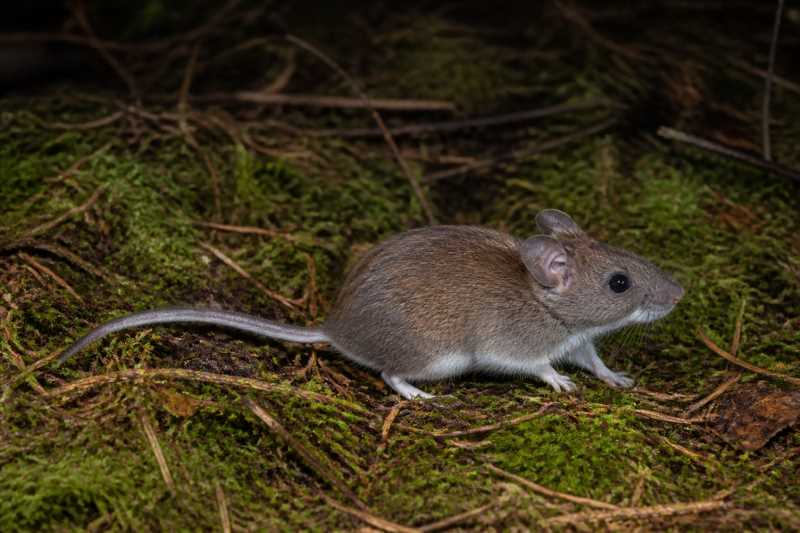
Allen’s Wood Mouse is a small rodent characterized by its slender body, long tail, and large ears, which are typical features of the genus Hylomyscus. The mouse’s fur is generally soft and dense, with a color that varies from greyish-brown to reddish-brown on the dorsal side, while the ventral side is usually lighter, ranging from white to cream.
One of the most distinctive physical features of Hylomyscus alleni is its long tail, which is often longer than its body. This tail is not only a tool for balance but also aids in climbing, an essential skill for a species that often navigates the arboreal layers of its forest habitat. The mouse’s large, rounded ears enhance its auditory capabilities, allowing it to detect predators and communicate with other mice.
In terms of size, Allen’s Wood Mouse typically measures between 8 to 10 centimeters in body length, with the tail adding an additional 10 to 15 centimeters. They weigh approximately 12 to 20 grams, making them lightweight and agile.
Range and Habitat
Allen’s Wood Mouse is predominantly found in the tropical and subtropical forests of Central and West Africa. Its range extends across countries such as Nigeria, Cameroon, Gabon, and the Democratic Republic of the Congo. These regions are characterized by dense forests with rich biodiversity, providing ample resources and shelter for Hylomyscus alleni.
The species favors habitats with a thick canopy and abundant underbrush, which offer protection from predators and harsh weather conditions. Allen’s Wood Mouse is also commonly found near water sources, as these areas provide both hydration and a diversity of food options. The mouse’s adaptability allows it to thrive in both primary and secondary forests, although it shows a preference for undisturbed environments.
Behavior and Diet
Allen’s Wood Mouse is primarily nocturnal, meaning it is most active during the night. This behavior is likely an evolutionary adaptation to avoid daytime predators. During the day, the mouse often rests in nests constructed from leaves and other plant materials, typically situated in tree hollows or dense vegetation.
The diet of Hylomyscus alleni is omnivorous, consisting mainly of seeds, fruits, insects, and other small invertebrates. This varied diet not only supports the mouse’s nutritional needs but also contributes to seed dispersal, aiding in forest regeneration. The mouse’s foraging behavior is both ground-based and arboreal, showcasing its versatility and adaptability.
Socially, Allen’s Wood Mouse tends to be solitary, though it may form small groups during the breeding season. Communication is likely achieved through vocalizations and scent markings, though further research is needed to fully understand their social dynamics.
Identification Tips (Field Recognition Cues)
Identifying Allen’s Wood Mouse in the field requires attention to several key features:
- Tail Length: The tail of Hylomyscus alleni is conspicuously longer than its body, which is a critical identification marker.
- Ear Size: Large, rounded ears are prominent and aid in distinguishing this species from similar rodents.
- Fur Color: Look for the distinctive greyish-brown to reddish-brown coloration on the back, with a lighter underside.
- Behavior: Observing nocturnal activity patterns and arboreal climbing can also assist in identification.
Conservation Status (with Threats and Protections)
The conservation status of Allen’s Wood Mouse is currently classified as "Least Concern" by the International Union for Conservation of Nature (IUCN). Despite this classification, there are several threats that could impact their populations in the future.
Threats
- Habitat Loss: Deforestation due to logging and agricultural expansion is a significant threat to the natural habitats of Hylomyscus alleni.
- Climate Change: Changes in climate patterns can alter their habitat, affecting food availability and shelter.
- Predation: Natural predators, including snakes and birds of prey, pose a constant threat.
Protections
Conservation efforts in some regions focus on habitat preservation and the establishment of protected areas. Sustainable forestry practices are also encouraged to minimize habitat destruction. Continued research and monitoring are essential to ensure the long-term survival of Allen’s Wood Mouse.
Frequently Asked Questions
1. What is the lifespan of Allen’s Wood Mouse? Allen’s Wood Mouse typically lives for about 1 to 2 years in the wild, though this can vary depending on environmental conditions and predation pressures.
2. How does Allen’s Wood Mouse contribute to its ecosystem? This species plays a vital role in seed dispersal and pest control, contributing to the ecological balance and forest regeneration.
3. Are there any distinct vocalizations of Allen’s Wood Mouse? While specific vocalizations have not been extensively documented, it is believed that they use high-pitched squeaks for communication, especially during the breeding season.
4. Can Allen’s Wood Mouse be kept as a pet? Due to their specific habitat needs and nocturnal nature, Allen’s Wood Mouse is not suitable for domestication and is best observed in the wild.
5. What are the breeding habits of Allen’s Wood Mouse? Breeding typically occurs once or twice a year, with females giving birth to litters of 2 to 4 young after a gestation period of approximately 21 days.
Related posts