Introduction
De Vis’s Woolly Rat, scientifically known as Mallomys aroaensis, is a fascinating yet lesser-known rodent species that captures the interest of mammalogists and wildlife enthusiasts alike. This elusive creature is part of the Muridae family and is native to the highlands of New Guinea. Known for its distinctive woolly fur and robust size, De Vis’s Woolly Rat plays a unique role in its ecosystem. Despite its obscure presence in popular media, this species is a subject of ongoing study due to its ecological importance and the challenges it faces in its natural habitat.
The purpose of this article is to shed light on the various aspects of De Vis’s Woolly Rat, from its physical characteristics and habitat preferences to its behavior and conservation status. We aim to provide a comprehensive overview that will be useful for researchers, conservationists, and anyone interested in learning more about this remarkable rodent.
Physical Description
De Vis’s Woolly Rat is notable for its large size in comparison to other rat species. Adults typically weigh between 1.5 to 2 kilograms (3.3 to 4.4 pounds) and can reach a length of up to 45 centimeters (18 inches), excluding the tail. The tail itself is relatively long, often measuring around 30 centimeters (12 inches), and is covered with sparse hair.
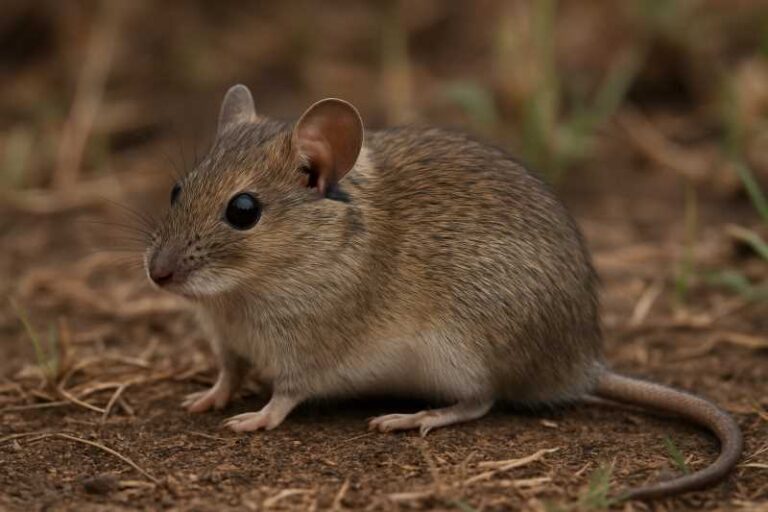
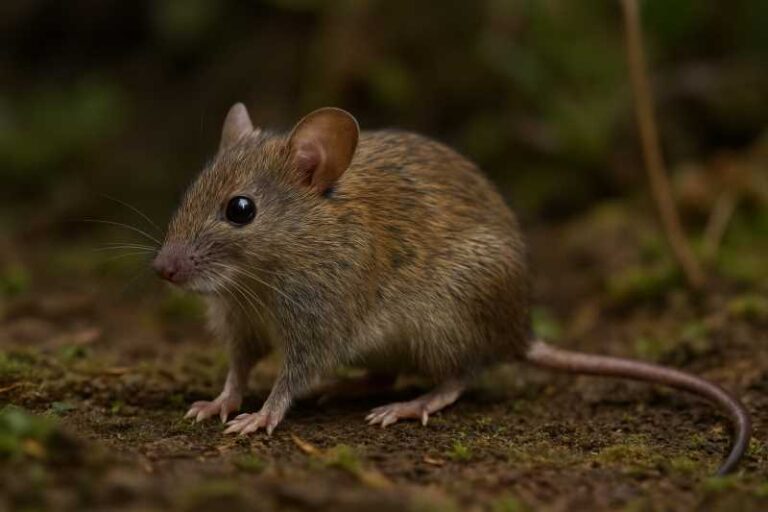
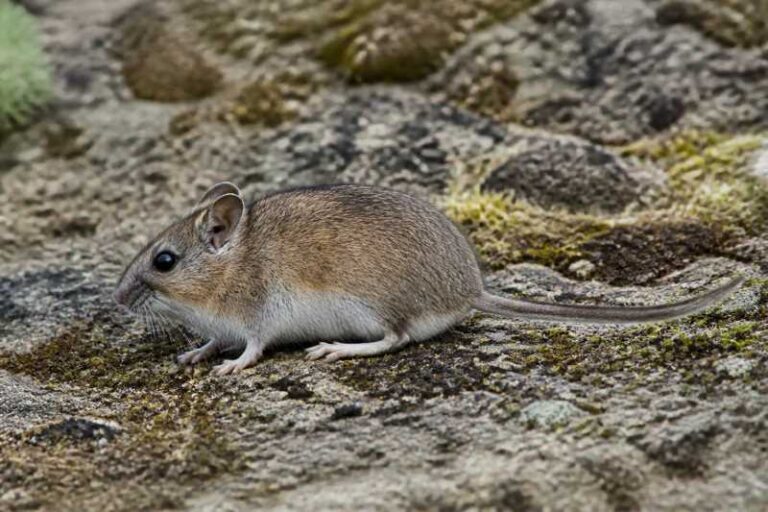
The most distinguishing feature of this rodent is its dense, woolly fur, which provides excellent insulation against the cold temperatures of its mountainous habitat. The fur is usually a brownish-grey color, blending well with the forest floor, although some variations in shade can occur. Their large, rounded ears and small eyes are adapted to their nocturnal lifestyle, aiding in better hearing and sight during the night.
Their robust body structure and strong limbs are well-suited for climbing, as they are often found navigating through the dense vegetation of their forested environment. The powerful claws of De Vis’s Woolly Rat are perfect for digging and foraging, providing them with the tools needed to survive in the wild.
Range and Habitat
De Vis’s Woolly Rat is endemic to New Guinea, primarily inhabiting the mountain regions of the island. They are typically found at elevations ranging from 1,200 to 3,600 meters (3,900 to 11,800 feet) above sea level. This high-altitude preference is one reason for their woolly fur, which offers protection against the chilly mountain climate.
Their habitat consists of montane and mossy forests, where they can take advantage of the dense undergrowth for cover and forage. These forests are rich in biodiversity, providing ample food sources and shelter. The dense vegetation and rugged terrain make these areas relatively inaccessible to humans, which has helped in preserving their natural habitat to some extent.
Despite their adaptation to high-altitude environments, De Vis’s Woolly Rat does face challenges due to habitat destruction. Logging activities and agriculture expansion are increasingly encroaching upon their territory, leading to habitat fragmentation and loss.
Behavior and Diet
De Vis’s Woolly Rat is primarily nocturnal, meaning it is most active during the night. This behavior helps them avoid many predators and take advantage of the cooler temperatures that their thick fur is suited for. During the day, they will often retreat to burrows or nests made from leaves and twigs, hidden from potential threats.
Their diet is omnivorous, consisting of a mix of plant materials, fruits, seeds, and small invertebrates. They are known to forage both on the ground and in the trees, displaying their adaptability and resourcefulness in finding food. The ability to climb and forage in trees allows them to exploit a variety of food sources, which is essential for their survival in the competitive ecosystems of New Guinea.
Socially, De Vis’s Woolly Rat tends to be solitary, with individuals maintaining their own territories to avoid conflict. However, there are instances where they may be seen in small groups, especially during the breeding season or when food resources are abundant.
Identification Tips (Field Recognition Cues)
Identifying De Vis’s Woolly Rat in the wild can be challenging due to their elusive nature and the dense habitats they occupy. However, several field recognition cues can aid in their identification:
- Size and Fur: Look for a large rodent with distinctive woolly fur. Their size, combined with the dense, woolly texture of their coat, is often the most noticeable characteristic.
- Tail Characteristics: The tail is long and sparsely haired, which can help distinguish them from other rodent species.
- Habitat and Behavior: They are mostly found in montane forests at high altitudes. Observing nocturnal activity and foraging behavior in these areas can be a good indicator.
- Tracks and Signs: Look for signs of foraging, such as disturbed leaf litter, and tracks that may indicate their presence.
Conservation Status (with Threats and Protections)
De Vis’s Woolly Rat is currently classified as a species of Least Concern by the International Union for Conservation of Nature (IUCN). However, this does not mean that they are free from threats. The primary concerns for their conservation are habitat destruction and fragmentation due to logging, agriculture, and human encroachment.
Efforts to protect their habitat are crucial for their continued survival. Conservation strategies include establishing protected areas within their range and promoting sustainable land-use practices that minimize environmental impact. Additionally, raising awareness about the ecological importance of these rodents can help garner support for conservation efforts.
Protective legislation in New Guinea and international cooperation are also vital in preserving the delicate ecosystems these rats inhabit. Continued research and monitoring are essential to understand population trends and adapt conservation strategies as needed.
Frequently Asked Questions
Q1: What is the primary diet of De Vis’s Woolly Rat?
A1: De Vis’s Woolly Rat is omnivorous, with a diet consisting of plant materials, fruits, seeds, and small invertebrates. They forage both on the ground and in trees, which allows them to access a diverse range of food sources.
Q2: Where can De Vis’s Woolly Rat be found?
A2: This species is endemic to New Guinea, primarily occupying montane and mossy forests at elevations between 1,200 and 3,600 meters. They are well-adapted to high-altitude environments.
Q3: How does De Vis’s Woolly Rat adapt to its environment?
A3: The rat’s dense, woolly fur provides insulation against cold temperatures, while their strong limbs and claws make them excellent climbers. Their nocturnal behavior helps them avoid predators, and their omnivorous diet allows them to exploit various food sources.
Q4: Is De Vis’s Woolly Rat considered endangered?
A4: Currently, De Vis’s Woolly Rat is classified as Least Concern by the IUCN. However, habitat destruction poses a significant threat, emphasizing the need for conservation measures.
Q5: What efforts are being made to protect De Vis’s Woolly Rat?
A5: Conservation efforts include the establishment of protected areas, promoting sustainable land-use practices, and raising awareness about the species’ ecological importance. Continued research and monitoring are also critical.
Related posts