Verschuren’s Swamp Mouse (Congomys verschureni): An In-Depth Look
Introduction
Verschuren’s Swamp Mouse, scientifically known as Congomys verschureni, is a lesser-known species of rodent that inhabits the lush landscapes of Central Africa. Despite its relatively discreet presence in the mammalian world, this species plays a vital role in the ecological fabric of its habitat. It is a member of the family Muridae, which encompasses a vast array of rodent species distributed across the globe. This article delves into the various facets of Verschuren’s Swamp Mouse, including its physical characteristics, habitat, behavior, and conservation status, offering a comprehensive overview for enthusiasts and researchers alike.
Physical Description
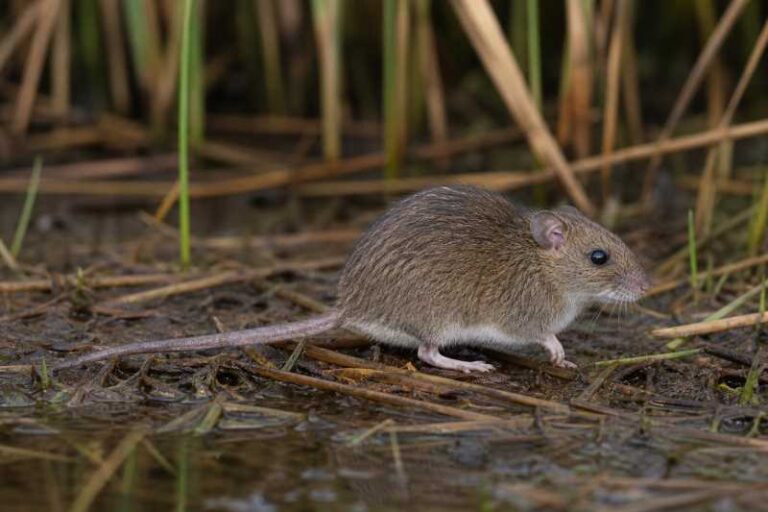
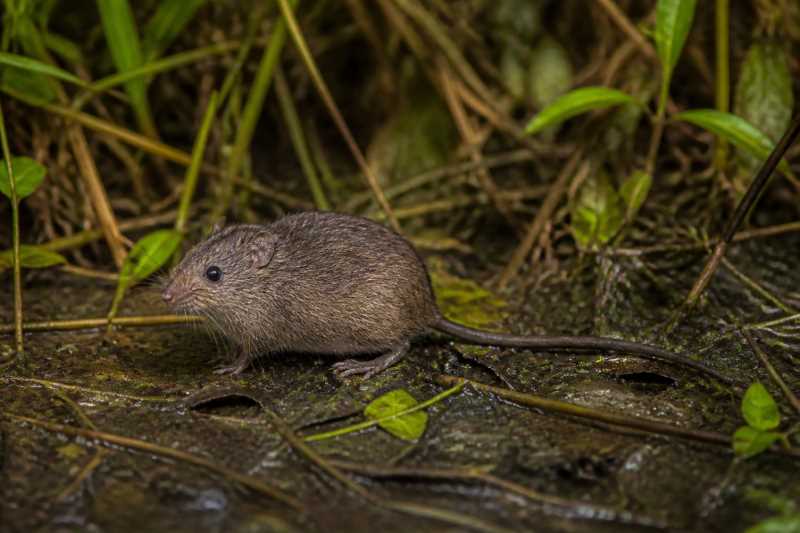
Verschuren’s Swamp Mouse is a small to medium-sized rodent, characterized by its distinctive features that allow it to thrive in swampy environments. This species typically measures between 12 and 15 centimeters from head to body, with a tail length that closely matches or slightly exceeds its body length, adding to its adeptness in maneuvering through its habitat.
The fur of Verschuren’s Swamp Mouse is dense and water-repellent, a necessary adaptation for its swampy domiciles. The dorsal side of the mouse is covered with a coat of dark brown to blackish fur, which provides excellent camouflage against the muddy and dense undergrowth of its environment. In contrast, the ventral side is lighter, often showcasing a grayish or off-white hue.
Its ears are relatively small and rounded, minimizing heat loss and aiding in a streamlined form for swift movement. The eyes are moderately large, providing good vision in low-light conditions typical of its habitat. Additionally, it possesses sharp, ever-growing incisors that are essential for gnawing through tough vegetation and other food sources.
Range and Habitat
Verschuren’s Swamp Mouse is endemic to Central Africa, with its range primarily spanning the Democratic Republic of the Congo. It inhabits the tropical and subtropical swamps and wetlands that characterize the region. These areas are often marked by dense vegetation, high humidity, and abundant water sources.
The ecological niche of this species is closely tied to the hydrological cycles of its habitat, relying on the seasonal flooding and retreating waters to shape its living environment. These wetlands provide ample food resources and shelter from predators, making them ideal for the survival and proliferation of the species. However, this specialization also makes it vulnerable to environmental changes and habitat destruction.
Behavior and Diet
Verschuren’s Swamp Mouse is primarily nocturnal, conducting most of its activities under the cover of darkness. This behavioral trait helps it avoid many diurnal predators and cope with the high temperatures of its habitat. Its nocturnal lifestyle is complemented by a keen sense of smell and hearing, which are crucial for navigating its environment and locating food.
The diet of this swamp mouse is omnivorous, consisting of a variety of plant materials, seeds, insects, and small aquatic organisms. Its foraging behavior is adapted to the swampy conditions, often involving digging through soft mud and detritus to uncover food. The versatile diet helps the species adapt to seasonal fluctuations in food availability.
Social behavior in Verschuren’s Swamp Mouse is not extensively documented, but it is presumed to be solitary or form small family groups, similar to other swamp-dwelling rodents. Nesting occurs in burrows or concealed areas within dense vegetation, providing safety from predators and harsh weather.
Identification Tips (Field Recognition Cues)
Identifying Verschuren’s Swamp Mouse in the field can be challenging due to its elusive nature and the dense habitats it frequents. However, there are several cues that can aid in field recognition:
- Size and Shape: Look for a small to medium-sized rodent with a body length of 12-15 cm and a tail of similar or slightly longer length.
- Fur Color: Note the dark brown to blackish fur on the dorsal side and lighter, grayish ventral side.
- Habitat: Check swampy, wetland areas with dense vegetation, as these are the preferred habitats.
- Behavior: Observe for nocturnal activity and listen for rustling in the undergrowth during the night.
- Tracks and Signs: Look for small tracks in soft mud near water sources and signs of gnawing on vegetation or seeds.
Conservation Status (with Threats and Protections)
As of the latest assessments, Verschuren’s Swamp Mouse is not classified as endangered, but it faces numerous threats that could impact its survival in the future. Habitat destruction due to agricultural expansion, deforestation, and climate change poses significant risks by altering the delicate wetland ecosystems it relies on.
Pollution from agricultural runoff and industrial activities also threatens the water quality of its habitat, impacting food resources and overall health. Additionally, the introduction of non-native species and increased human activity in the region could disrupt the ecological balance.
Efforts to conserve Verschuren’s Swamp Mouse focus on protecting its wetland habitats through sustainable land management practices and environmental regulations that limit pollution and deforestation. Conservationists advocate for more research to better understand the species’ ecology and promote awareness of its role in the ecosystem.
Frequently Asked Questions
What is the primary habitat of Verschuren’s Swamp Mouse?
Verschuren’s Swamp Mouse primarily inhabits tropical and subtropical swamps and wetlands in Central Africa, particularly within the Democratic Republic of the Congo. These environments provide the necessary resources and shelter for the species.
How does Verschuren’s Swamp Mouse adapt to its environment?
This species adapts to its swampy habitat with features like dense, water-repellent fur, nocturnal behavior, and a versatile omnivorous diet. These adaptations help it survive in humid and seasonally fluctuating environments.
What threats does Verschuren’s Swamp Mouse face?
The main threats include habitat destruction from agricultural expansion, deforestation, pollution from runoff, and climate change. These factors can degrade the wetlands it relies on and disrupt its ecological niche.
Is Verschuren’s Swamp Mouse endangered?
Currently, Verschuren’s Swamp Mouse is not listed as endangered. However, due to ongoing habitat threats, conservation efforts are essential to ensure its long-term survival.
How can we help conserve Verschuren’s Swamp Mouse?
Conservation can be supported through sustainable land management, protecting wetland habitats, and raising awareness about the importance of preserving these ecosystems. Supporting policies that limit pollution and deforestation is also crucial.
Related posts