Introduction
The Pygmy Wood Mouse, scientifically known as Hylomyscus pygmaeus, is a small mammal species native to the African continent. Known for its diminutive size and elusive nature, this mouse has captured the interest of scientists and naturalists alike. Found primarily in forested regions, it plays a crucial role in the ecosystem as both prey for larger animals and as a seed disperser. This article delves into the fascinating world of the Pygmy Wood Mouse, exploring its physical characteristics, habitat, behavior, and conservation status.
Physical Description
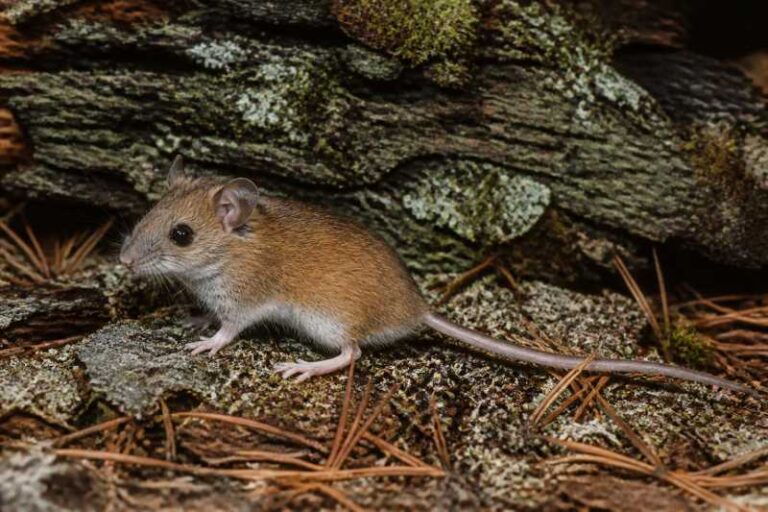
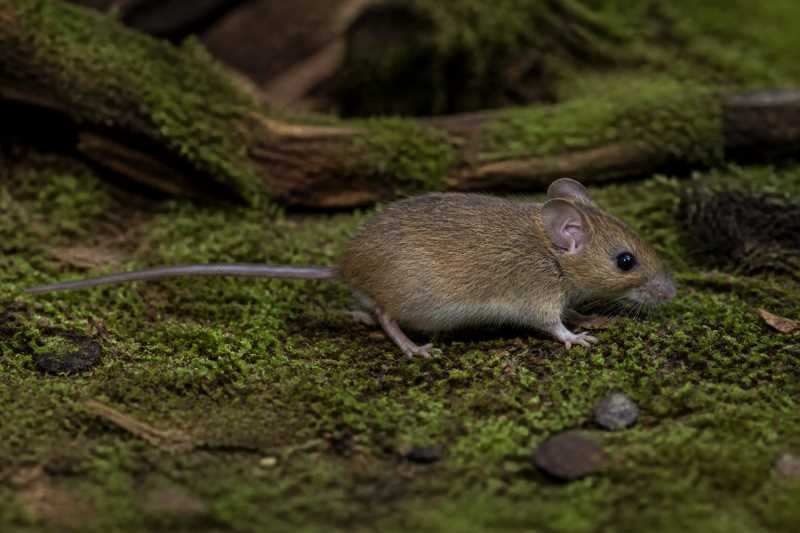
The Pygmy Wood Mouse is aptly named for its small size, with adults typically measuring between 6 to 8 centimeters in body length, excluding the tail, which adds an additional 7 to 9 centimeters. Weighing in at a mere 10 to 20 grams, this mouse is one of the smallest in the rodent family. Its fur is generally soft and short, exhibiting a grayish-brown coloration on the dorsal side and a lighter, almost white hue on the ventral side. The small size and coloration provide excellent camouflage against the forest floor and underbrush.
The Pygmy Wood Mouse has large, rounded ears and a pointed snout, which are characteristic of many mice species. Its eyes are relatively large, enhancing its nocturnal vision, which is essential for its nighttime activities. The tail is long and slender, covered sparsely with hair, and is often used for balance and maneuvering through dense vegetation.
Range and Habitat
The geographic range of the Pygmy Wood Mouse is concentrated in Central and West Africa, where it inhabits dense tropical rainforests. These regions provide ample cover and food resources, making them ideal for the survival of this small mammal. Countries such as Cameroon, Gabon, and the Democratic Republic of the Congo are known to host populations of this species.
The Pygmy Wood Mouse prefers areas with high humidity and abundant vegetation. It is often found at various levels of the forest, from the ground to the understory, where it can find food and shelter. This adaptability to different microhabitats within the forest is a testament to its ecological versatility.
Behavior and Diet
Primarily nocturnal, the Pygmy Wood Mouse is most active during the night when it forages for food. Its diet consists mainly of seeds, fruits, and insects, which it finds on the forest floor and in the understory. This omnivorous diet allows it to take advantage of the diverse food resources available in its habitat.
The mouse is known for its agile movements and ability to climb, which helps it evade predators and access a variety of food sources. Socially, the Pygmy Wood Mouse is relatively solitary, with individuals occupying overlapping home ranges but typically avoiding direct contact with one another except during the breeding season.
Identification Tips (Field Recognition Cues)
Identifying the Pygmy Wood Mouse in the wild can be challenging due to its small size and elusive nature. However, there are several field recognition cues that can aid in its identification:
- Size and Shape: Look for a small rodent with a body length of 6-8 cm and a long tail.
- Coloration: Note the grayish-brown fur on the back and lighter underside.
- Ears and Eyes: Large, rounded ears and relatively large eyes are key features.
- Behavior: Observing nocturnal activity and agile climbing can indicate its presence.
Conservation Status (With Threats and Protections)
The conservation status of the Pygmy Wood Mouse is currently categorized as "Least Concern" by the International Union for Conservation of Nature (IUCN). While this status indicates that the species is not currently at significant risk of extinction, several threats could impact its populations.
Habitat destruction is the primary threat facing the Pygmy Wood Mouse. Deforestation for agriculture, logging, and human settlement reduces the available habitat for this species. Additionally, climate change poses a risk by altering the ecosystems in which it lives.
Conservation efforts focus on preserving the forest habitats essential for the survival of the Pygmy Wood Mouse and other forest-dependent species. Protected areas and national parks in regions like Central and West Africa play a crucial role in maintaining the natural habitats of these animals.
Frequently Asked Questions
Why is this species unique?
The Pygmy Wood Mouse is unique due to its small size and adaptability to various forest microhabitats. Its role as both a seed disperser and a part of the food web highlights its ecological importance.
What is the lifespan of a Pygmy Wood Mouse?
In the wild, a Pygmy Wood Mouse typically lives for about 1 to 2 years. This lifespan can vary depending on factors such as predation pressure and availability of food resources.
How do Pygmy Wood Mice contribute to the ecosystem?
Pygmy Wood Mice contribute to the ecosystem by dispersing seeds, which aids in forest regeneration. They also serve as prey for a variety of predators, maintaining ecological balance.
Are Pygmy Wood Mice kept as pets?
Pygmy Wood Mice are not commonly kept as pets due to their specific habitat needs and nocturnal behavior. They thrive best in their natural forest environments.
What research is being conducted on this species?
Research on the Pygmy Wood Mouse often focuses on its ecological role, population dynamics, and responses to habitat changes. Studies aim to better understand its conservation needs and how to protect its natural habitat.
Related posts