Rupicolous African Dormouse: A Comprehensive Guide
Introduction
The Rupicolous African Dormouse, scientifically known as Graphiurus rupicola, is a remarkable small mammal found in specific regions of Africa. This elusive creature is a member of the Gliridae family, known for its unique adaptations to rocky environments. Despite its unassuming size, the Rupicolous African Dormouse plays a crucial role in its ecosystem, contributing to the biodiversity of its habitat. In this article, we explore the fascinating world of the Rupicolous African Dormouse, from its physical characteristics to its behavior, habitat, and conservation status.
Physical Description
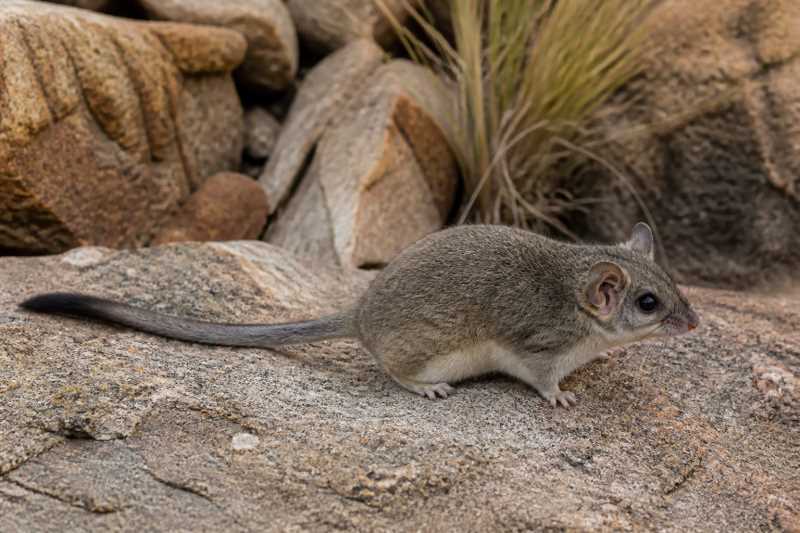
The Rupicolous African Dormouse is a small rodent, typically measuring between 10 to 15 centimeters in length, with a tail that often equals or slightly exceeds the body length. Weighing in at approximately 30 to 60 grams, these dormice are lightweight and agile, perfectly adapted for life among rocky crevices and ledges.
Their fur is dense and soft, providing excellent insulation against temperature fluctuations. The coloration of the Rupicolous African Dormouse is generally a mottled gray or brown, allowing it to blend seamlessly into its rocky surroundings. A distinctive feature of this species is its large, dark eyes, which are well-adapted for nocturnal activities. Their ears are rounded and relatively large, providing acute hearing abilities essential for detecting predators.
Range and Habitat
The Rupicolous African Dormouse is native to the rocky terrains of Southern Africa, primarily found in countries such as Namibia, Botswana, and parts of South Africa. This species favors habitats characterized by rocky outcrops, cliffs, and boulder-strewn landscapes, where they can exploit crevices for shelter and nesting.
These dormice are highly specialized in navigating their rugged environments. Their habitat preference for rocky areas not only provides protection from predators but also offers ample opportunities for foraging. The availability of food resources such as seeds, fruits, and insects in these regions supports their dietary needs.
Behavior and Diet
The Rupicolous African Dormouse is primarily nocturnal, emerging at dusk to forage for food. Their diet is omnivorous, consisting of a variety of seeds, fruits, insects, and occasionally small vertebrates. This dietary flexibility allows them to adapt to the seasonal availability of resources in their arid and semi-arid habitats.
Socially, these dormice are known for their solitary or small-group living arrangements. They communicate through a range of vocalizations and scent markings, which play a crucial role in maintaining territory boundaries and facilitating mating interactions. During the cooler months, the Rupicolous African Dormouse may enter a state of torpor to conserve energy.
Identification Tips (Field Recognition Cues)
Identifying the Rupicolous African Dormouse in the field can be challenging due to its elusive nature and camouflaged appearance. However, certain field recognition cues can aid in their identification:
- Habitat: Look for these dormice in rocky areas with plenty of crevices and ledges.
- Coloration: Note the mottled gray or brown fur, which helps them blend into their rocky surroundings.
- Behavior: Observe nocturnal activity patterns; they are most active after dusk.
- Vocalizations: Listen for high-pitched calls, especially during the breeding season.
- Tail: Look for a bushy tail that is often used for balance and communication.
Conservation Status (with Threats and Protections)
The conservation status of the Rupicolous African Dormouse is currently classified as Least Concern by the International Union for Conservation of Nature (IUCN). However, like many species, they face potential threats that could impact their populations.
Threats
- Habitat Destruction: Urbanization and agricultural expansion can lead to the loss of suitable habitats.
- Climate Change: Alterations in temperature and precipitation patterns can affect food availability and habitat conditions.
- Predation: Increased predation from domestic animals and invasive species poses a threat.
Protections
- Protected Areas: Conservation efforts within national parks and reserves help safeguard habitats.
- Research and Monitoring: Ongoing studies on population dynamics and ecology are crucial for informed conservation strategies.
- Community Engagement: Educating local communities about the ecological role of dormice can foster coexistence and conservation support.
Frequently Asked Questions
What does the Rupicolous African Dormouse eat?
The Rupicolous African Dormouse has an omnivorous diet, primarily consisting of seeds, fruits, insects, and occasionally small vertebrates. This dietary flexibility allows them to adapt to the seasonal availability of resources in their habitat.
Where can the Rupicolous African Dormouse be found?
This species is native to the rocky terrains of Southern Africa, with populations primarily located in Namibia, Botswana, and parts of South Africa. They favor habitats characterized by rocky outcrops and boulder-strewn landscapes.
How does the Rupicolous African Dormouse adapt to its environment?
The Rupicolous African Dormouse is well-adapted to its rocky environment through its physical characteristics, such as mottled fur for camouflage and a bushy tail for balance. They use crevices for shelter and are primarily nocturnal to avoid predators.
What are the conservation concerns for the Rupicolous African Dormouse?
While currently classified as Least Concern, threats such as habitat destruction, climate change, and increased predation from domestic animals pose potential risks to their populations. Conservation efforts focus on habitat protection and community engagement.
How can I identify a Rupicolous African Dormouse in the wild?
Look for these dormice in rocky areas during nocturnal hours, noting their mottled gray or brown fur, large dark eyes, and bushy tail. Listen for their high-pitched calls, especially during the breeding season.
Related posts