African Straw-colored Fruit Bat (Eidolon helvum)
Introduction
The African Straw-colored Fruit Bat, scientifically known as Eidolon helvum, is a fascinating and ecologically important mammal species native to the African continent. As a member of the Pteropodidae family, also known as megabats, the Straw-colored Fruit Bat plays a crucial role in pollination and seed dispersal, contributing significantly to the health of tropical ecosystems. This article delves into various aspects of the African Straw-colored Fruit Bat, from its physical characteristics and habitat preferences to its behavior, diet, and conservation status.
Physical Description
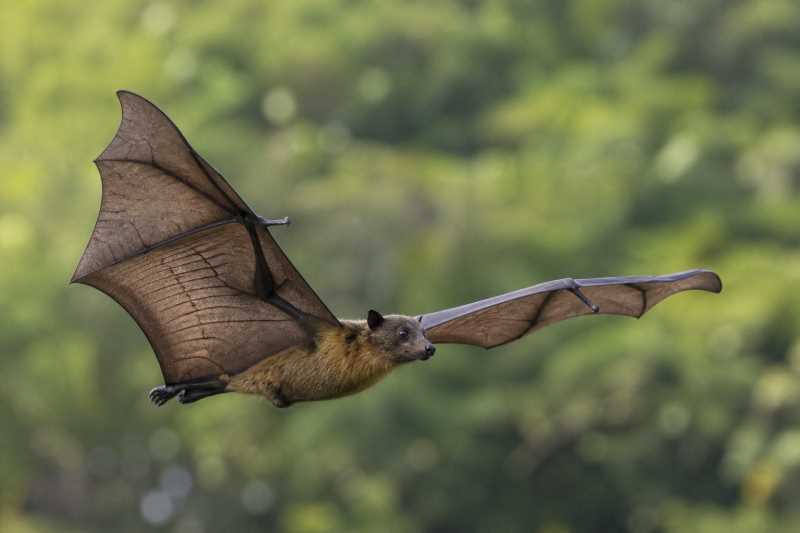
The African Straw-colored Fruit Bat is a medium to large-sized bat, with a wingspan ranging from 60 to 97 centimeters (24 to 38 inches) and a body length of approximately 14 to 20 centimeters (5.5 to 7.9 inches). Weighing between 230 to 350 grams (8 to 12 ounces), these bats exhibit sexual dimorphism, with males typically being larger than females.
Their fur is predominantly straw-colored, which gives them their common name, with a slight gradient of darker hues on the back and lighter tones on the chest and belly. The wings are long and narrow, adapted for sustained flight. Unlike many other bat species, the African Straw-colored Fruit Bat has a relatively short snout and large eyes, which are indicative of their reliance on vision rather than echolocation for navigation and foraging.
Range and Habitat
Eidolon helvum is widely distributed across sub-Saharan Africa, with its range extending from Senegal and Sudan in the north to South Africa in the south. This species is highly adaptable and can be found in a variety of habitats, including tropical rainforests, savannas, and urban areas.
These bats are known for their migratory behavior, often traveling long distances in response to seasonal changes in fruit availability. During the wet season, they are commonly found in forested regions where fruit is abundant, while in the dry season, they may move to more arid areas or urban centers where food sources are more reliable.
Behavior and Diet
The African Straw-colored Fruit Bat is primarily frugivorous, feeding on a variety of fruits, including figs, mangos, guavas, and pawpaws. They play a critical ecological role by dispersing seeds over vast distances, which aids in forest regeneration and biodiversity maintenance.
These bats are nocturnal, emerging at dusk to forage for food. They are social animals, often forming large colonies that can number in the thousands, roosting in trees during the day. Their social structure is complex, with a hierarchy that influences access to food and mates.
Communication among these bats involves a range of vocalizations and physical interactions, such as grooming and play. They are also known to travel in groups during their migratory movements, which can span several hundred kilometers.
Identification Tips (Field Recognition Cues)
Identifying the African Straw-colored Fruit Bat in the field can be achieved through a combination of physical and behavioral cues:
- Coloration: Look for the distinctive straw-colored fur, which is lighter on the underside.
- Size: Note the bat’s large size compared to other bats in the region, with a wingspan of up to 97 cm.
- Roosting behavior: Observe large colonies roosting in trees, particularly in urban areas.
- Flight pattern: Watch for their steady, purposeful flight, which is characteristic of fruit bats not reliant on echolocation.
Conservation Status (with Threats and Protections)
The African Straw-colored Fruit Bat is currently listed as Near Threatened on the IUCN Red List. While they are still relatively widespread, their populations are declining due to several anthropogenic factors.
Threats
- Habitat Loss: Deforestation and urbanization are major threats, leading to the loss of roosting and foraging habitats.
- Hunting: In some regions, these bats are hunted for bushmeat, which significantly impacts local populations.
- Climate Change: Altered rainfall patterns and increased frequency of extreme weather events affect fruit availability, impacting their migratory patterns.
Protections
- Conservation Areas: Establishment of protected areas that preserve critical habitats for these bats.
- Legislation: Enforcement of laws that prohibit hunting and trading of bats to reduce human-induced mortality.
- Public Awareness: Educational campaigns to highlight the ecological importance of bats and promote coexistence.
Frequently Asked Questions
What role do African Straw-colored Fruit Bats play in the ecosystem?
African Straw-colored Fruit Bats are vital for seed dispersal and pollination, helping to maintain healthy and diverse ecosystems. Their consumption and subsequent dispersal of seeds facilitate forest regeneration and biodiversity.
How do African Straw-colored Fruit Bats navigate and find food?
Unlike many other bats, African Straw-colored Fruit Bats rely on their vision rather than echolocation. They have large eyes adapted for low-light conditions and use visual cues to locate fruit at night.
Are African Straw-colored Fruit Bats dangerous to humans?
These bats are generally not dangerous to humans. However, like many wild animals, they can carry pathogens, so direct contact should be avoided. They are an essential part of the ecosystem and should be protected rather than feared.
How can I help in the conservation of African Straw-colored Fruit Bats?
Supporting conservation initiatives and spreading awareness about the importance of bats in ecosystems can help. Avoid disturbing roosting sites and advocate for the protection of their natural habitats.
Do African Straw-colored Fruit Bats migrate?
Yes, these bats are known for their migratory behavior, traveling long distances across Africa in search of food as fruit availability changes with the seasons.
By understanding the African Straw-colored Fruit Bat’s unique characteristics and ecological significance, we can better appreciate their role in the natural world and the importance of conserving their populations.
Related posts