Introduction
The Pernambuco Dwarf Porcupine, scientifically known as Coendou speratus, is a fascinating rodent species that is native to Brazil. This elusive creature is part of the Erethizontidae family, often referred to as New World porcupines. Despite its diminutive size, the Pernambuco Dwarf Porcupine plays a crucial role in its ecosystem and has captured the attention of researchers and conservationists alike. In this article, we will explore the various aspects of this intriguing mammal, including its physical characteristics, habitat preferences, behaviors, diet, and the conservation challenges it faces.
Physical Description
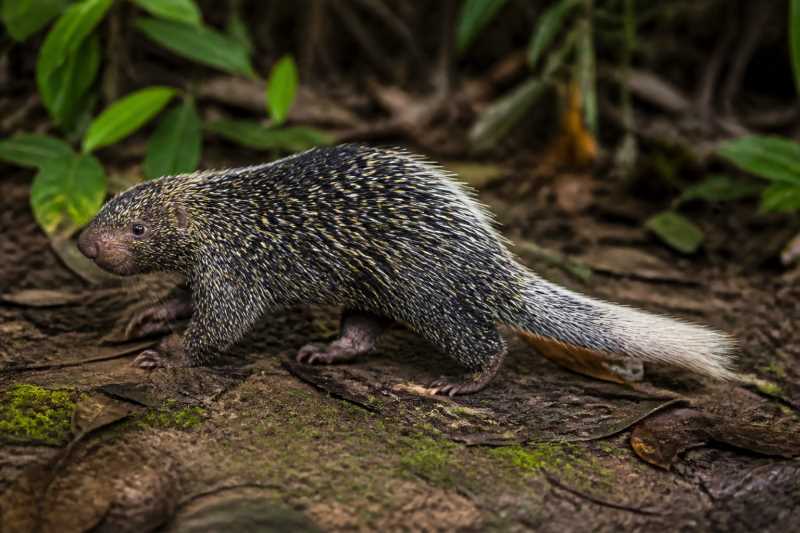
The Pernambuco Dwarf Porcupine is notably smaller than many of its porcupine relatives, with an average length of 30 to 40 centimeters (excluding the tail) and a weight ranging from 1 to 2 kilograms. Its most distinctive feature is its quills, which serve as a defense mechanism against predators. The quills are sharp, barbed, and can easily detach when a predator attempts to bite or grab the porcupine.
This species has a prehensile tail, which is an adaptation for its arboreal lifestyle, allowing it to grip branches securely. The tail is relatively long, often matching or exceeding the body length, and lacks quills, making it flexible and suited for climbing. The Pernambuco Dwarf Porcupine has a rounded body covered in a mix of short fur and longer quills, with coloration that typically ranges from brown to a darker gray, helping it blend into its forested environment.
Its face is characterized by a short snout and small, rounded ears. The eyes are relatively small, suggesting that the species relies more on its sense of smell and touch than on vision. The feet are well-adapted for grasping, with strong claws that assist in climbing.
Range and Habitat
The Pernambuco Dwarf Porcupine is endemic to the northeastern region of Brazil, specifically within the state of Pernambuco. This species is primarily found in the Atlantic Forest, a biodiversity hotspot that spans along the Brazilian coast. The Atlantic Forest is known for its high levels of endemism and species richness, yet it is also one of the most threatened biomes in the world due to deforestation and habitat fragmentation.
The porcupine’s preferred habitat includes dense, humid lowland forests where it can navigate the canopy with ease. It relies heavily on trees for shelter, food, and protection from predators. The Pernambuco Dwarf Porcupine’s range is extremely limited, which has significant implications for its conservation status.
Behavior and Diet
The Pernambuco Dwarf Porcupine is primarily nocturnal, spending the majority of its active hours foraging for food during the night. This nocturnal lifestyle helps it avoid many diurnal predators. During the day, it rests in the safety of the tree canopy or in hollowed-out sections of trees.
The diet of the Pernambuco Dwarf Porcupine consists mainly of fruits, leaves, and bark, classifying it as a herbivore. Occasionally, it may consume insects or small invertebrates, but plant material forms the bulk of its diet. This dietary preference plays a significant role in seed dispersal, contributing to forest regeneration and maintenance of the ecosystem.
Socially, the Pernambuco Dwarf Porcupine is generally solitary, although it may sometimes be observed in pairs, particularly during the breeding season. Communication is likely facilitated through vocalizations, scents, and physical cues.
Identification Tips (Field Recognition Cues)
Identifying the Pernambuco Dwarf Porcupine in the wild can be challenging due to its elusive nature and the dense forest environment it inhabits. However, there are several key identification tips that can help:
- Size and Shape: Look for a small, round-bodied porcupine with a prehensile tail. Its size distinguishes it from larger porcupine species.
- Quills: The presence of sharp, detachable quills is a significant identifier. These quills are primarily brown with lighter tips.
- Habitat: Spotting this porcupine is more likely in dense, humid forests where it spends much of its time in the trees.
- Behavior: Observing nocturnal activity, such as feeding on fruits and leaves in the tree canopy, can indicate the presence of this species.
- Vocalizations: Listen for low-pitched sounds or rustling in the tree canopy at night, which could indicate the presence of the Pernambuco Dwarf Porcupine.
Conservation Status (With Threats and Protections)
The Pernambuco Dwarf Porcupine is currently classified as "Critically Endangered" by the International Union for Conservation of Nature (IUCN). This classification is due to its extremely limited range and the severe threats it faces, primarily from habitat loss and fragmentation.
The Atlantic Forest, where this species resides, has been subjected to significant deforestation for agriculture, urban development, and logging. As a result, only a fraction of the original forest remains, leaving the Pernambuco Dwarf Porcupine with limited habitat. Fragmentation of the forest further isolates populations, making it difficult for individuals to find mates and reducing genetic diversity.
Conservation efforts are critical for the survival of this species. Protecting and restoring its habitat is paramount. This includes establishing and enforcing protected areas, promoting sustainable land use practices, and reforestation efforts. Conservationists also emphasize the importance of community involvement and education to raise awareness about the species and the broader ecological significance of the Atlantic Forest.
Frequently Asked Questions
1. What is the primary diet of the Pernambuco Dwarf Porcupine?
The Pernambuco Dwarf Porcupine primarily feeds on fruits, leaves, and bark. While it occasionally consumes insects or small invertebrates, it is primarily herbivorous. This dietary habit plays a critical role in seed dispersal, aiding in forest regeneration.
2. Why is the Pernambuco Dwarf Porcupine considered critically endangered?
This species is classified as "Critically Endangered" due to its very limited range in the Atlantic Forest of Brazil, coupled with significant habitat loss and fragmentation caused by deforestation, agriculture, and urbanization. These factors have drastically reduced its available habitat and isolated its populations.
3. How can you identify a Pernambuco Dwarf Porcupine in the wild?
Identifying this porcupine involves looking for a small, round-bodied rodent with sharp quills and a prehensile tail. It is most often found in dense, humid forests and is typically active at night, feeding on fruits and leaves in the tree canopy.
4. What conservation measures are in place for the Pernambuco Dwarf Porcupine?
Conservation measures include protecting and restoring its habitat through the establishment of protected areas, reforestation efforts, and promoting sustainable land use practices. Community involvement and education are also vital to raising awareness and support for the species.
5. Where can the Pernambuco Dwarf Porcupine be found?
This species is endemic to the northeastern region of Brazil, specifically in the state of Pernambuco. It inhabits the Atlantic Forest, favoring dense, humid lowland forests where it can navigate the canopy.
Related posts